High-Mileage Engine Tune-Up: What Changes After 100,000 Miles?
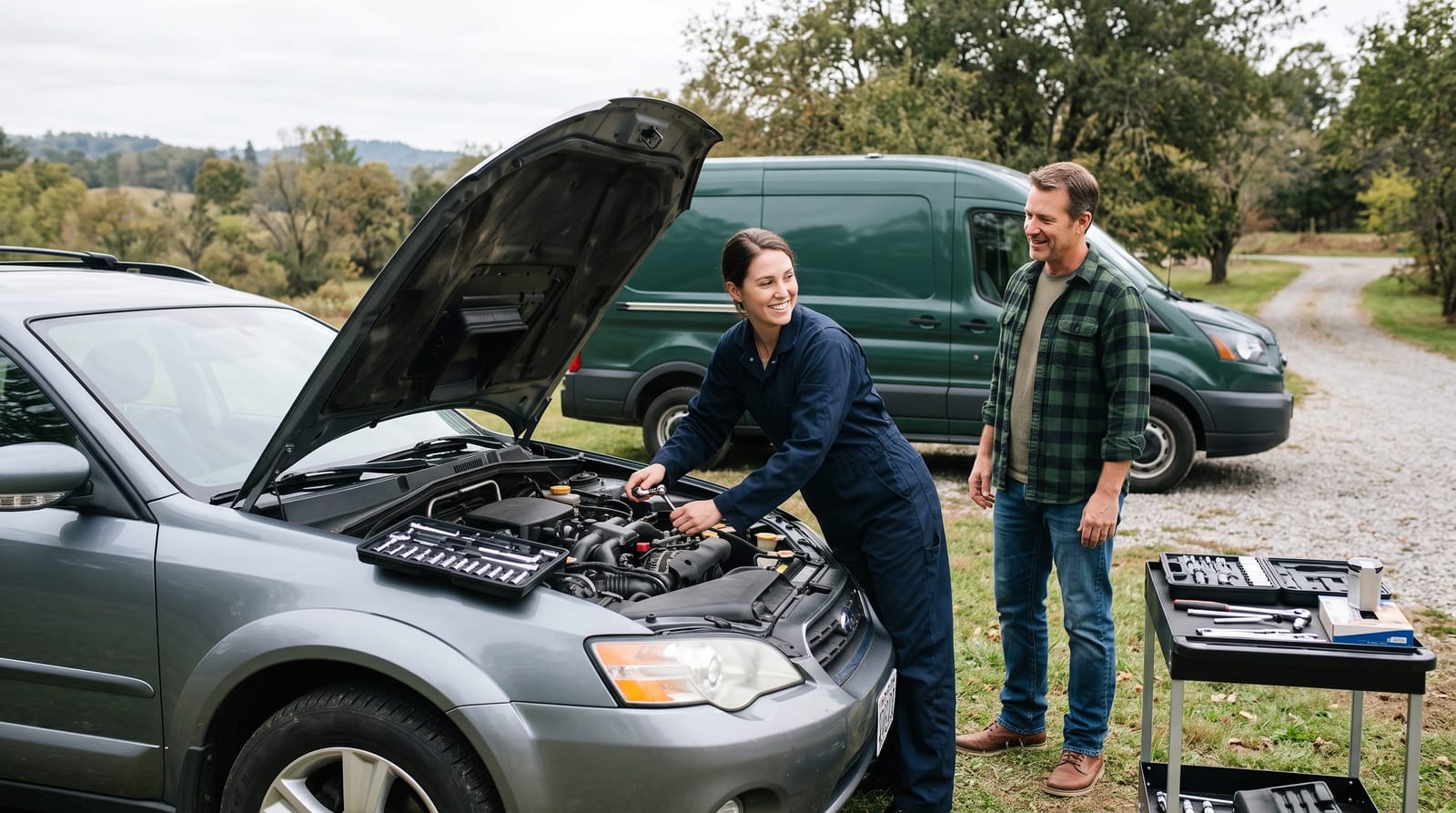
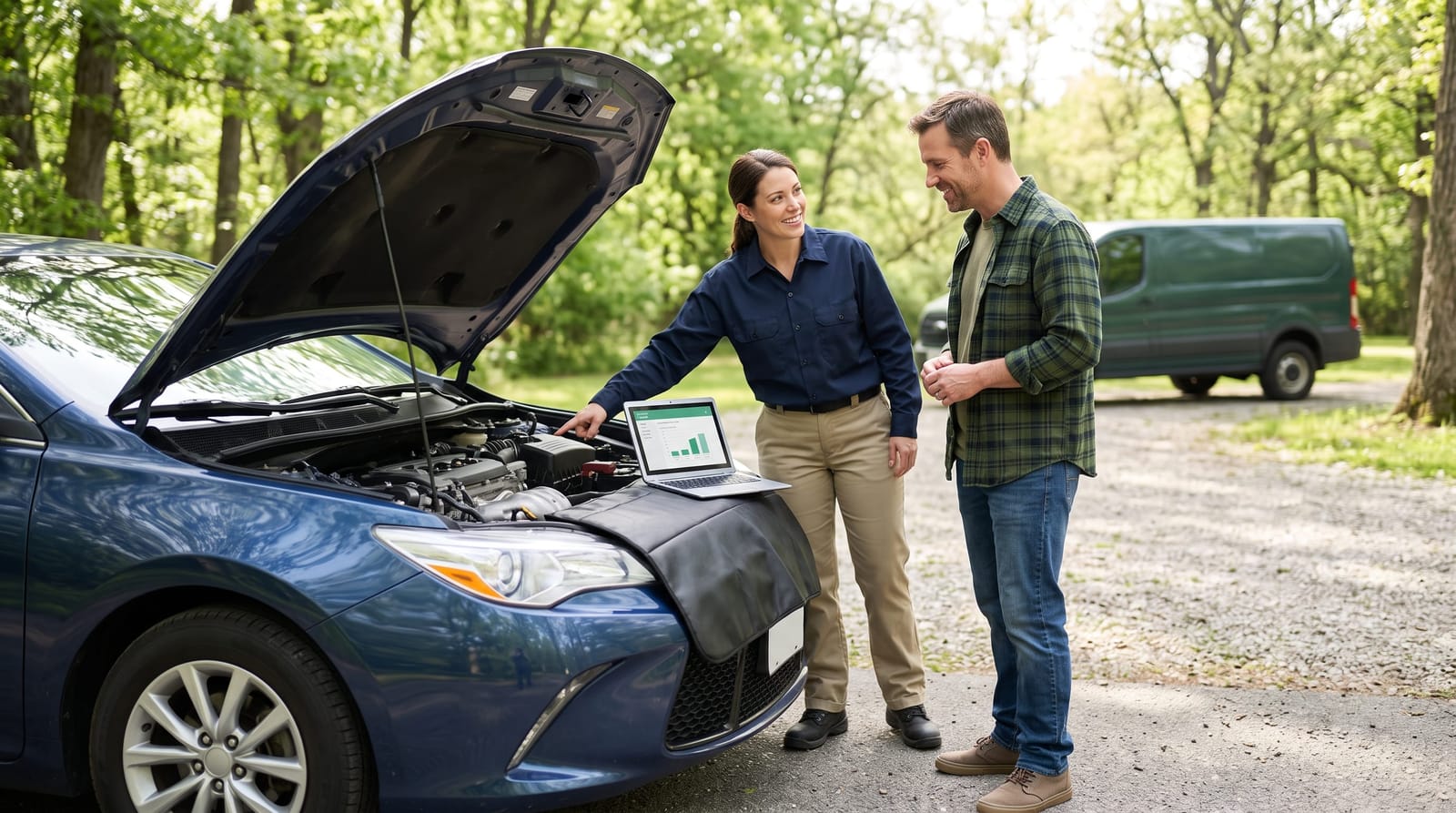
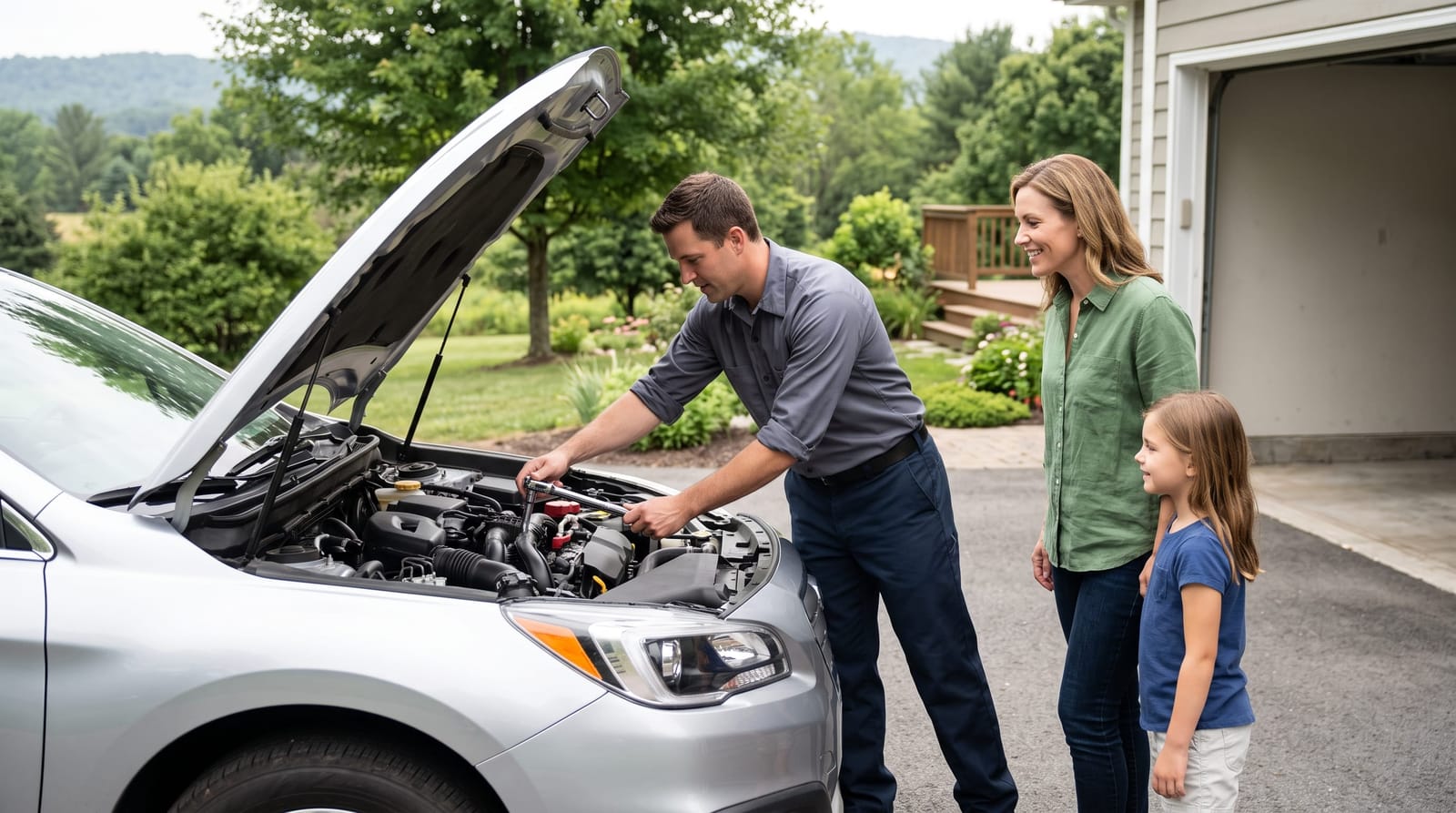
Hitting 100,000 miles is a real milestone, and it's one that a lot of trucks and SUVs right here in Kaufman County reach with no problem. But crossing that mark also means your vehicle's maintenance needs start to shift. A standard tune-up that worked well at 30,000 or 60,000 miles may not cover everything your engine needs now. A proper high mileage engine tune up looks a little different, and understanding those differences can help you keep your vehicle running reliably for thousands of miles to come. Here's what you need to know.
Why High-Mileage Vehicles Need a Different Approach
As an engine accumulates miles, normal wear takes a toll on components that were designed to last, but not forever. Seals begin to harden, fuel injectors collect deposits, belts and hoses show fatigue, and small inefficiencies start adding up in ways that affect both performance and fuel economy.
For newer vehicles, a basic tune-up focused on spark plugs and filters is usually enough to keep things running well. For a high-mileage vehicle, those same services still matter, but they're often just the starting point. A thorough high mileage engine tune up takes a wider view of how all the engine's systems are holding up together.
This is especially relevant for the pickup trucks, full-size SUVs, and work vehicles that are common throughout Forney and the surrounding Kaufman County area. These vehicles often carry heavy loads, tow trailers, and rack up miles faster than the average passenger car, which means wear adds up differently and maintenance needs to keep pace.
Core Tune-Up Services That Stay the Same (But Matter More)
Even at high mileage, the foundational tune-up services are still essential. What changes is how much of a difference they can make when they've been neglected longer, or when worn parts have been affecting performance without the driver realizing it.
The core services that apply to any high mileage engine tune up include:
- Spark plug replacement: Old or fouled spark plugs cause misfires, rough idling, and reduced fuel efficiency. On a high-mileage engine, fresh plugs can make a noticeable difference in how the vehicle starts and runs.
- Air filter inspection and replacement: A clogged air filter restricts airflow to the engine, making it work harder than it needs to. This is a simple fix that affects both performance and fuel economy.
- Fuel filter service: Fuel filters trap debris that can harm fuel injectors over time. At high mileage, keeping this filter clean is especially important since injector repairs can be costly.
- Ignition system inspection: Beyond spark plugs, ignition wires, coils, and related components should be checked for wear, corrosion, or cracking.
- Throttle body and intake cleaning: Carbon deposits build up in the throttle body and intake over time, reducing airflow efficiency. A thorough cleaning at high mileage helps restore smoother engine response.
If you're unsure whether your vehicle is showing signs that any of these need attention, it can help to review the signs car needs tune up before your next service visit.
What Gets Added at High Mileage
This is where a high mileage engine tune up really starts to expand beyond the basics. At 100,000 miles and beyond, there are several additional systems that deserve attention as part of a comprehensive service.
- Timing belt or timing chain inspection: Many engines use a rubber timing belt that has a recommended replacement interval, often around 60,000-100,000 miles. If it hasn't been replaced yet, this is an important item to address. Even vehicles with timing chains benefit from an inspection at high mileage.
- Serpentine belt and accessory belts: These belts drive your alternator, power steering pump, and air conditioning compressor. Cracks, fraying, or glazing mean it's time to replace them before they leave you stranded.
- Coolant system service: Coolant degrades over time and can become acidic, which causes corrosion inside the engine's cooling passages. A coolant flush and refill at high mileage helps protect the water pump, radiator, and hoses.
- Hose and gasket inspection: Rubber hoses become brittle with age. Upper and lower radiator hoses, vacuum lines, and PCV hoses should all be visually inspected for cracks or soft spots.
- PCV valve replacement: The PCV (positive crankcase ventilation) valve regulates pressure inside the engine. A stuck or clogged PCV valve can cause rough idle and even oil leaks. It's an inexpensive part that's easy to overlook.
- Fuel system cleaning: High-mileage engines often benefit from a professional fuel injector cleaning service to remove built-up deposits that affect spray patterns and combustion efficiency.
How to Approach Maintenance Scheduling on an Older Vehicle
One of the most practical things you can do for a high-mileage vehicle is shift from reactive maintenance, fixing things after they fail, to proactive maintenance based on a schedule. Your owner's manual is still a useful starting point, but many older vehicles have moved beyond the intervals listed there or have had spotty maintenance histories.
When that's the case, a good baseline approach for a high mileage engine tune up is:
- Start with a full inspection, Before assuming what needs to be done, have a technician do a thorough look at the engine's current condition. This gives you an accurate picture of where things stand.
- Prioritize safety and performance items first: Belts, hoses, and cooling system components that could leave you stranded or cause engine damage if they fail come first.
- Address the tune-up basics: Spark plugs, filters, and ignition system components improve how the engine runs day-to-day and shouldn't be put off.
- Build a going-forward maintenance schedule: Once everything is brought current, set regular intervals for oil changes, tune-up components, and fluid services so you're staying ahead of wear instead of chasing it.
It's also worth understanding that a high-mileage tune-up isn't always the same as a complete overhaul. Many of these services are straightforward and affordable when done as planned maintenance. Understanding the tune up vs oil change difference can also help clarify which services overlap and which serve separate purposes for your engine's overall health.
Maximizing Engine Life in Kaufman County Conditions
Driving conditions in Kaufman County put their own specific demands on vehicles. Hot Texas summers accelerate coolant and belt wear. Dusty rural roads mean air filters need more frequent checks. Towing and hauling, common with the trucks that dominate this area, puts additional heat and stress on the engine and transmission.
For vehicles used in these conditions, sticking to a consistent maintenance schedule matters more than the mileage alone. A well-maintained high-mileage truck can absolutely continue running reliably well past 150,000 or even 200,000 miles when the engine tune-up services and supporting maintenance are kept current. Skipping services or pushing intervals too far is typically where high-mileage engines start to develop avoidable problems.
Frequently Asked Questions
How is a high mileage engine tune up different from a regular tune up?
A standard tune-up typically covers spark plugs, filters, and basic ignition components. A high mileage engine tune up expands to include inspections and services for belts, hoses, the cooling system, the PCV valve, fuel injector cleaning, and other components that are more likely to show wear after 100,000 miles. The goal is to take a broader look at the engine's overall condition rather than just the most basic wear items.
How often should a high-mileage vehicle get a tune-up?
There's no single universal answer since it depends on the vehicle, engine type, and maintenance history. Generally, once a vehicle passes 100,000 miles, it makes sense to have a comprehensive inspection at least once a year or every 15,000-20,000 miles, with specific services like spark plug replacement following the manufacturer's extended-life intervals. A qualified technician can help you build a schedule that fits your specific vehicle.
Is it worth tuning up a high-mileage vehicle, or should I just replace it?
For most vehicles, especially the trucks and SUVs common in Kaufman County, routine tune-up maintenance is very much worth doing. These vehicles are often built to last well past 200,000 miles with proper care. Keeping up with tune-up services is almost always more cost-effective than replacing a vehicle that simply needs maintenance attention.
Can a tune-up improve fuel economy on a high-mileage engine?
Yes, in many cases it can: particularly when worn spark plugs, a clogged air filter, or dirty fuel injectors have been affecting combustion efficiency. Restoring these components to proper working condition allows the engine to burn fuel more cleanly and completely. While individual results vary, restoring a neglected engine to proper tune is one of the most practical ways to get better performance at the fuel pump.
Keeping Your High-Mileage Engine Going Strong
Reaching 100,000 miles doesn't mean your vehicle is on its way out: it means you've gotten real value out of it, and with the right care, there's plenty more ahead. A thoughtful high mileage engine tune up addresses both the basics and the additional wear items that matter at this stage, giving your engine the support it needs to keep running well. Whether you drive a pickup truck, a family SUV, or a work vehicle that logs serious miles, staying consistent with tune-up maintenance is one of the best investments you can make in your vehicle's long-term reliability. The team at Gregg Automotive is here to help Kaufman County drivers take care of the vehicles they depend on: one service at a time.