Independent Auto Shop Repair Warranties: What You're Actually Protected Against in Texas
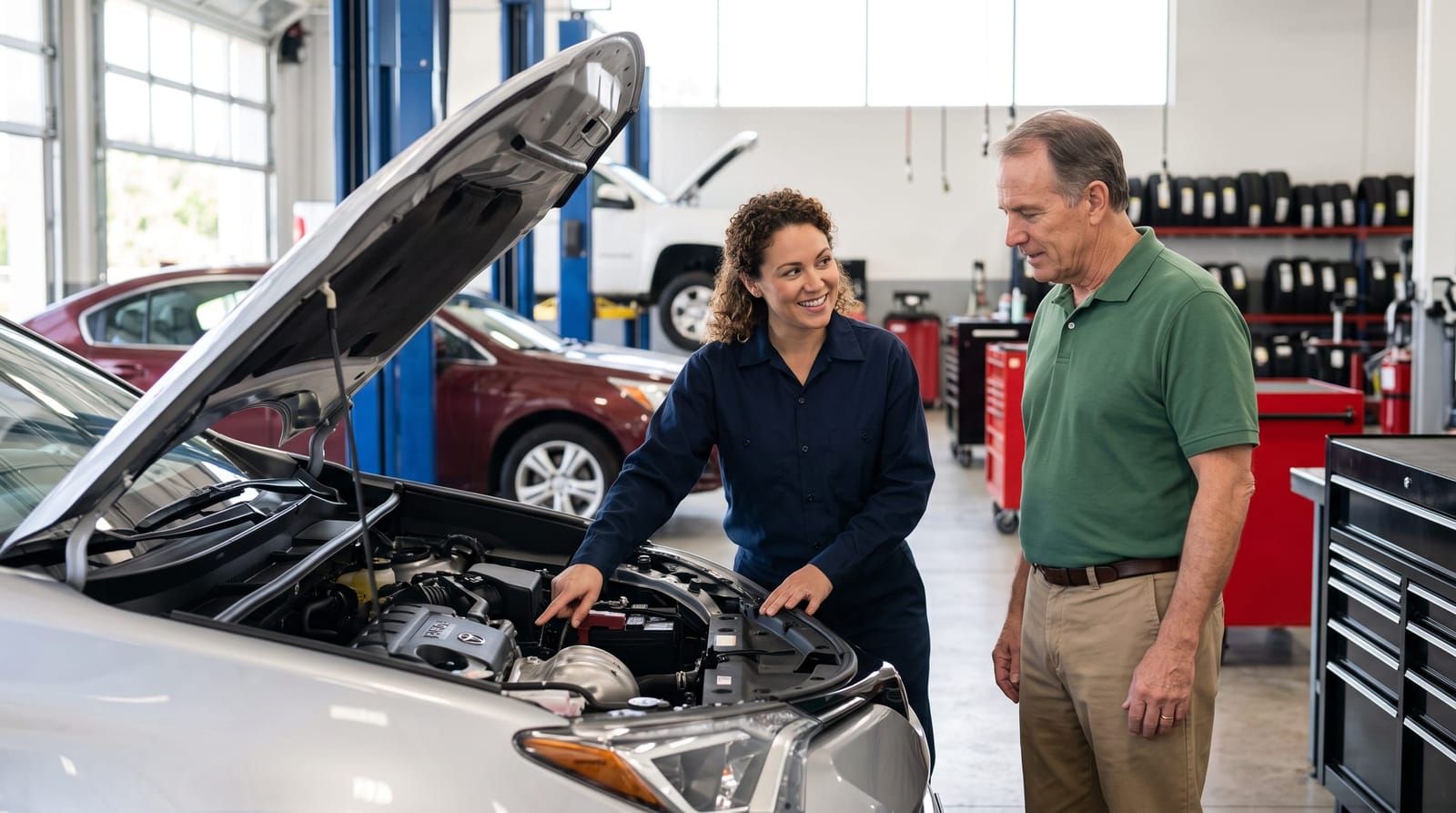
If you're thinking about stepping away from dealership service and finding an independent shop you can trust, one of the first questions that comes up is: what happens to my warranty? It's a fair concern, and it's one of the biggest reasons drivers in Kaufman County stay at dealerships longer than they need to, not because they love the prices, but because they're unsure about their protection. This guide breaks down how repair warranties actually work at independent shops in Texas, what federal warranty protections mean for everyday car owners, and why getting quality service at an independent shop doesn't automatically put your coverage at risk. Whether your vehicle is newer or has a few years on it, understanding these basics can help you make a more confident, informed decision about where you take it for service.
The Difference Between a Manufacturer Warranty and a Repair Warranty
Before anything else, it helps to understand that there are actually two separate types of warranty in play when your car gets serviced, and people often mix them up.
Your Manufacturer Warranty
A manufacturer warranty (sometimes called a factory warranty) comes with your new vehicle from the automaker. It covers defects in parts and workmanship that were present when the car was built. This is what protects you if your transmission fails at 18,000 miles for no apparent reason, or if a factory-installed component stops working correctly. This warranty follows the vehicle, not the shop where you get your oil changed.
A Repair Warranty (or Service Warranty)
A repair warranty is something an auto shop offers on the specific work they performed and the parts they installed. If an independent shop replaces your alternator and it fails within their warranty period, they're responsible for making it right. This is entirely separate from your manufacturer warranty. The quality and terms of repair warranties vary by shop, so it's always a good idea to ask before any work begins and get the details in writing.
Understanding this distinction matters a lot when you're weighing your options. If you're curious how repair costs and service quality stack up across your options, take a look at our breakdown of dealership vs independent shop repair cost Kaufman County: it puts real numbers behind the comparison.
The Magnuson-Moss Warranty Act: What It Means for Independent Shop Service
One of the most important, and most misunderstood, pieces of consumer protection in the automotive world is a federal law called the Magnuson-Moss Warranty Act. You don't need to memorize the legal language, but understanding the general idea can save you a lot of unnecessary worry.
What It Generally Says
In plain terms, this federal act is generally understood to mean that a manufacturer cannot require you to use only dealership service or only dealer-branded parts as a condition of keeping your warranty valid. As a vehicle owner, you have the general right to have your car serviced by a qualified independent shop without automatically forfeiting your manufacturer warranty coverage. This is informational context, for any specifics about your situation or vehicle, it's always worth checking with the manufacturer directly or speaking with a professional who can review your warranty documentation.
The "Dealer-Only" Misconception
Many drivers assume that if they get an oil change or brake job done outside of a dealership, they've somehow voided their factory coverage. That misconception keeps a lot of people paying dealership prices when they don't have to. The general understanding is that your warranty shouldn't be voided simply because you chose a qualified independent shop for routine or even more involved service.
There are exceptions and nuances, of course: particularly if a repair is done incorrectly and causes additional damage, or if the wrong type of fluid or part is used. That's why choosing a qualified, reputable shop matters. Wondering whether a local mechanic can void your car warranty in Terrell TX? That topic goes deeper into how warranty coverage applies to specific repair scenarios at independent shops.
How Auto Repair Warranties Work at Independent Shops in Texas
When it comes to the auto repair warranty independent shop Texas experience, things are a bit different from what you'd find at a franchise dealership, but not necessarily worse. Here's what to generally expect.
What a Repair Warranty Typically Covers
A repair warranty from an independent shop usually covers:
- The parts installed during that specific repair
- The labor used to perform the repair
- A set time period or mileage window (commonly 12 months/12,000 miles, though this varies)
If the repair fails within that window due to workmanship or a defective part, a reputable shop will address it. The specifics depend entirely on the individual shop, so asking questions upfront is always the right move.
What to Ask Before Authorizing Work
Before any repair begins, here are some practical questions to ask:
- What warranty do you offer on parts and labor for this repair?
- Is the warranty written into my repair order?
- What parts will be used: OEM, aftermarket, or remanufactured?
- Are there any conditions that would affect the warranty?
Getting clear answers to these questions, in writing, protects everyone involved and gives you peace of mind going in.
Why Written Repair Agreements Matter in Texas
Texas consumer guidance consistently emphasizes the importance of getting repair agreements in writing. A written estimate or repair order creates a clear record of what was agreed to, what parts were used, and what warranty was offered. This is good practice regardless of whether you're at an independent shop or a dealership. Always ask for a written copy of your estimate before work begins, and keep your final invoice once the job is done.
OEM vs. Aftermarket Parts: Does It Matter for Your Warranty?
Another common concern is whether the type of parts used at an independent shop affects your coverage. This is worth understanding because it affects both the repair warranty and potentially your manufacturer warranty in specific situations.
OEM Parts
OEM stands for Original Equipment Manufacturer: these are parts made by or to the exact specification of your vehicle's manufacturer. They're the same type of components that came on your car from the factory. Some independent shops use OEM parts upon request, though they tend to cost more.
Aftermarket Parts
Aftermarket parts are made by third-party manufacturers and are designed to fit and function like the original. Quality varies among aftermarket parts, but many reputable independent shops use high-quality aftermarket components that perform comparably to OEM parts at a lower price point. Using quality aftermarket parts on a repair generally does not void your manufacturer warranty for unrelated systems.
Remanufactured Parts
Remanufactured parts are used components that have been rebuilt to meet original specifications. They're a common and reliable option for certain repairs, particularly things like alternators, starters, or brake calipers, and often come with their own warranty from the manufacturer.
A trustworthy shop will explain what type of parts they're recommending and why. If you have a preference or questions about what's best for your specific vehicle, don't hesitate to ask. For more on how to evaluate a shop's overall approach, our guide to finding a trustworthy auto repair shop in Forney TX walks through what to look for.
What "Good and Workmanlike Manner" Means for Texas Car Owners
In Texas, there's a general standard that auto repairs must be completed in a "good and workmanlike manner." This isn't just industry jargon: it's a baseline expectation that the work performed should be done correctly and competently by someone with the appropriate skills and tools.
What This Means Practically
If repairs are performed poorly or don't hold up through normal use, there may be grounds to seek a resolution. The Better Business Bureau and other consumer resources can be useful starting points if a dispute arises with a shop. This informational note isn't legal advice, for any specific situation involving a disputed repair, consulting a professional is the appropriate step.
Why Shop Reputation Matters
This standard is exactly why choosing a shop with a solid local reputation is so important. A shop that's been serving Kaufman County drivers for years has a track record you can look into. Online reviews, word of mouth, and transparency in communication all tell you a great deal about how a shop operates day-to-day: long before you ever need to invoke a warranty.
This connects directly to the broader question of whether dealership repairs are worth the extra cost for Forney TX car owners, because paying more doesn't automatically mean better workmanship or stronger warranty protection.
Tips for Protecting Yourself Before, During, and After a Repair
No matter where you take your vehicle, dealership or independent shop, there are some universal steps that put you in a better position as a car owner.
Before the Repair
- Check your vehicle's owner's manual for any manufacturer recommendations on service intervals and fluid types
- Get a written estimate that includes labor, parts, and the warranty offered
- Ask whether the shop will contact you if they find additional issues before proceeding with unplanned repairs
During the Repair
- Stay reachable so the shop can reach you if they have questions or updates
- Ask to keep any old parts that were replaced (for significant repairs, this is reasonable to request)
After the Repair
- Review your invoice carefully and ask about anything you don't understand
- Keep your paperwork: store your estimate, invoice, and warranty details somewhere accessible
- Log the repair in a simple vehicle maintenance record so you have a clear service history
Maintaining a good service record also helps protect your manufacturer warranty, since it demonstrates that your vehicle was properly maintained throughout its life: regardless of where that service took place.
Related Topics Worth Exploring
Warranty coverage is one piece of a larger picture when it comes to making smart service decisions for your vehicle. A few related topics worth reading more about:
- If you specifically own a newer vehicle and have heard that taking it anywhere but the dealership is risky, the post on whether a local mechanic can void your car warranty in Terrell TX addresses that concern directly.
- Understanding how much you're actually paying compared to what you'd pay at a dealership is also part of this picture: our breakdown of dealership vs independent shop repair costs in Kaufman County gives you real context.
Making a Confident, Informed Decision
Warranty concerns are one of the most common reasons drivers stay at dealerships longer than makes financial sense for them. The good news is that understanding how repair warranties and manufacturer warranties actually work puts you in a much stronger position. An independent shop that does quality work, uses appropriate parts, and stands behind its repairs with a written warranty is offering you real protection, not a lesser alternative to the dealership. It's about finding the right shop, asking the right questions, and keeping your documentation organized.
At Gregg Automotive, we're happy to walk you through the warranty we offer on any repair, explain the parts we're recommending, and make sure you leave with everything in writing. If you have questions about a service you need or want to talk through your options, give us a call or stop by: we're here to make the process straightforward and transparent from start to finish.