What Does the 60,000-Mile Service Include and Is It Worth It?
If your vehicle is approaching 60,000 miles, you've probably heard that this is an important maintenance milestone, and for good reason. The 60,000-mile service is more comprehensive than your routine oil change, and understanding what's typically included helps you plan ahead and avoid surprises at the counter. This guide breaks down what a standard 60,000-mile service checklist covers, what it might cost in the Kaufman County area, and whether the investment makes sense for your vehicle's long-term health.
Why 60,000 Miles Is a Major Maintenance Milestone
Think of your vehicle's maintenance schedule in three stages: 30,000 miles, 60,000 miles, and 90,000 miles. Each stage builds on the last. If you stayed current on your 30,000-mile service, you've already replaced filters, checked belts, and kept fluids fresh. At 60,000 miles, your engine has completed thousands of combustion cycles, your brake pads have seen considerable use, and wear-and-tear components are reaching the end of their recommended service life.
This is also the point where deferred maintenance starts catching up with vehicles. Drivers who skip the 60k service often end up dealing with rougher performance, reduced fuel economy, and more expensive repairs down the road, not because of one missed service, but because multiple aging components start affecting each other. Staying proactive at this milestone is simply smarter and more cost-effective than reactive repairs later.
What's Typically Included in a 60,000-Mile Service Checklist
While every vehicle is different and manufacturer recommendations vary, a comprehensive 60,000-mile service checklist generally covers these key areas:
Spark Plug Replacement
By 60,000 miles, most standard spark plugs have reached or exceeded their recommended service interval. Worn spark plugs cause misfires, rough idling, and reduced fuel efficiency. Many modern vehicles use iridium or platinum plugs rated for longer intervals, but even those should be inspected at this stage. Replacing them restores clean ignition and smoother engine performance.
Transmission Fluid Service
Transmission fluid breaks down over time and accumulates debris from normal friction inside the transmission. A fluid flush or exchange at 60,000 miles helps protect transmission components and supports smoother shifting. This is one of the more important services at this interval: transmission repairs are among the most expensive on any vehicle, and preventative fluid maintenance is far less costly than transmission damage.
Coolant System Flush
Coolant (antifreeze) doesn't last forever. Over time it loses its ability to resist corrosion and regulate temperature effectively. A coolant flush removes degraded fluid and refills the system with fresh coolant: helping your engine stay within safe operating temperatures, especially during hot Texas summers.
Brake System Inspection and Service
The first significant brake service for many vehicles falls right around 40,000 to 60,000 miles. This typically includes inspecting brake pads, rotors, calipers, and brake fluid. Depending on how and where you drive: highway miles vs. stop-and-go Forney traffic: your brake pads may need replacement at this point. Brake fluid can also absorb moisture over time, which affects braking performance.
Additional Checks Often Included
A thorough 60k service appointment typically covers several additional items beyond the core services listed above:
- Engine air filter and cabin air filter replacement
- Battery inspection and terminal cleaning
- Belt and hose inspection (looking for cracks, fraying, or wear)
- Tire rotation and pressure check
- Fluid top-offs (power steering, windshield washer, brake, and others)
- Engine oil and filter change
- Multi-point vehicle inspection
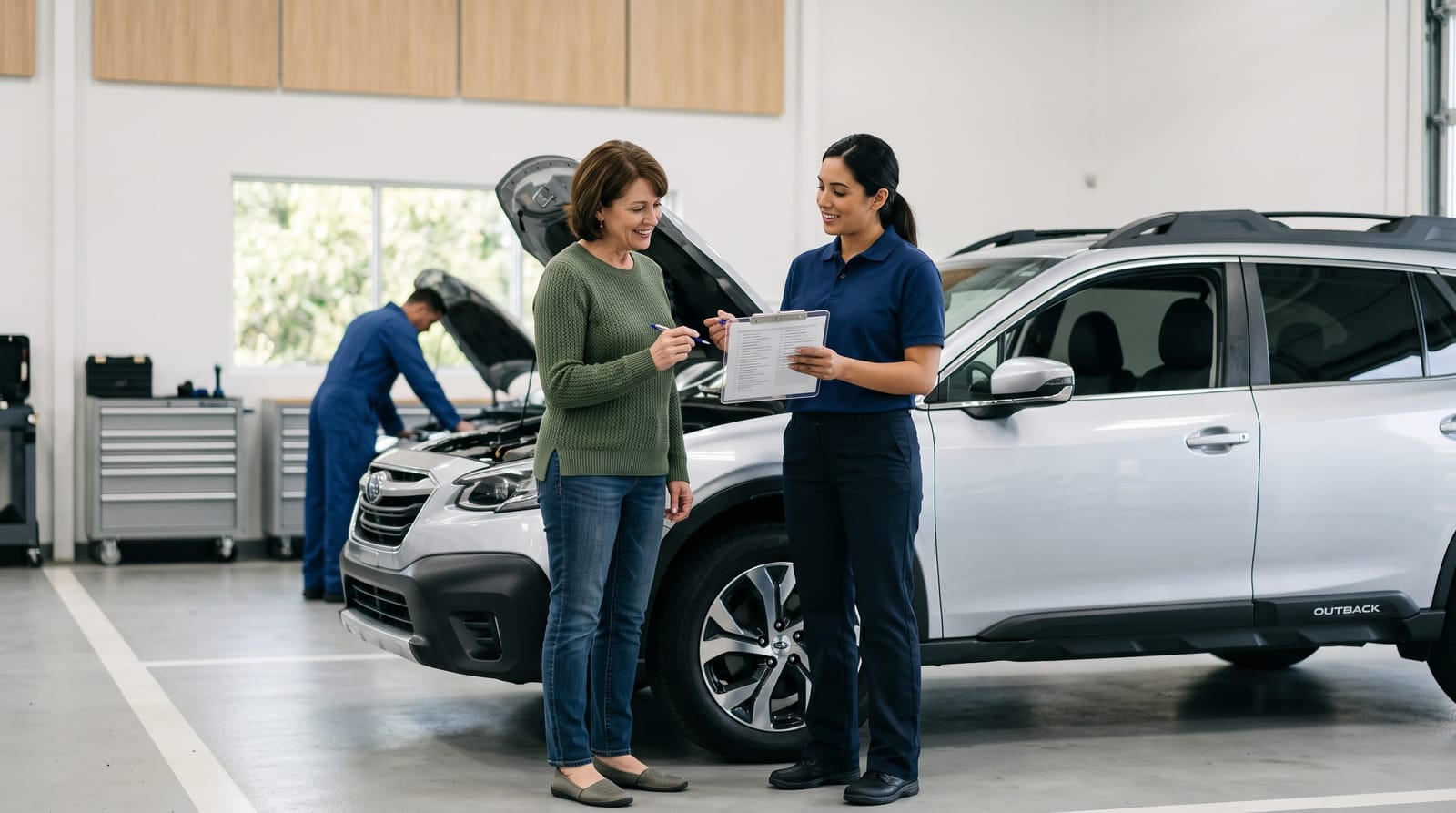
Not every shop bundles all of these into a single service price, so it's worth asking for a clear breakdown of what's included before approving any work.
What Does a 60,000-Mile Service Cost in the Kaufman County Area?
The honest answer: it depends on your vehicle, the services performed, and the shop you choose. Nationally, a 60,000-mile service typically ranges from $200 to $500, but that range reflects a wide variation in what's actually being done. A simple inspection with basic fluid checks sits at the lower end. A full-service appointment including spark plugs, transmission service, coolant flush, and brake work will land toward the higher end or beyond, depending on parts costs for your specific vehicle.
Here's a general breakdown of individual service costs to help you set realistic expectations:
- Spark plug replacement: Varies by plug type and number of cylinders; iridium plugs cost more but last longer
- Transmission fluid service: Cost depends on fluid type and whether it's a flush or exchange
- Coolant flush: Generally one of the more affordable services on the list
- Brake pad replacement: Cost varies based on pad quality and whether rotors need resurfacing or replacement
- Air filters: Engine and cabin filters are typically low-cost parts with minimal labor
The best approach is to get a written estimate that itemizes each service: that way you can make informed decisions about what to prioritize if budget is a concern. A trustworthy shop will walk you through the list without pressure.
Is the 60,000-Mile Service Actually Worth It?
For most drivers, yes, and here's the straightforward reasoning. Many of the components addressed at 60,000 miles are reaching the end of their effective service life regardless of how well you've maintained the vehicle. Spark plugs, fluids, and filters don't last indefinitely. Addressing them on a scheduled basis is almost always less expensive than addressing the symptoms they cause when neglected.
Consider the comparison:
- Transmission fluid service now vs. transmission repair or replacement later
- Coolant flush now vs. overheating damage or water pump failure later
- Spark plug replacement now vs. misfires, failed emissions tests, or catalytic converter damage later
- Brake inspection now vs. rotor damage from worn pads later
None of this is meant to alarm you: it's just honest math. Preventative maintenance at 60,000 miles is an investment in the reliability and longevity of a vehicle you've already put significant miles on. For Kaufman County drivers who depend on their vehicles for daily commutes, work, or family transportation, keeping up with this service schedule makes practical sense.
If you want to understand how the 60k service fits into your vehicle's overall care plan, the complete engine tune-up guide for Forney and Kaufman County drivers covers the bigger picture of engine performance and scheduled maintenance.
Frequently Asked Questions
What happens if I skip the 60,000-mile service?
Skipping it doesn't mean your car will immediately break down, but worn spark plugs, degraded fluids, and unchecked brakes can gradually affect performance, fuel economy, and reliability. Components that wear together without maintenance can also cause more extensive, and more expensive, damage over time. Think of it as a gap in protection rather than an immediate emergency.
How long does a 60,000-mile service appointment take?
A complete 60k service typically takes two to four hours depending on what's included and whether any additional repairs are needed. Scheduling the appointment in advance and dropping off your vehicle in the morning often gives the shop enough time to complete everything the same day.
Does the 60,000-mile service differ between vehicle makes and models?
Yes, it can. Manufacturer recommendations vary, and some vehicles have longer service intervals for certain components like spark plugs or transmission fluid. Always check your owner's manual alongside your mechanic's recommendation to make sure the service matches your vehicle's actual needs, not just a generic checklist.
Can I do some of these services myself to save money?
Some items, like replacing the cabin air filter or topping off windshield washer fluid, are straightforward for mechanically inclined owners. Services like transmission fluid flushes, coolant system service, and brake work are better handled by a trained technician: both for safety and to ensure the job is done correctly the first time.
The Bottom Line on the 60,000-Mile Service
The 60,000-mile service checklist covers the components that take the most wear through the first half of a vehicle's typical lifespan. Spark plugs, transmission fluid, coolant, brakes, and filters: these aren't optional extras. They're the systems that keep your engine running efficiently, your vehicle stopping safely, and your repairs manageable. For Kaufman County drivers looking to get the most out of their vehicles, this milestone is worth taking seriously. If you have questions about what your specific vehicle needs at 60,000 miles, the team at Gregg Automotive is happy to take a look and give you an honest, straightforward assessment.