What Size Lift Kit Should I Get for My Truck?
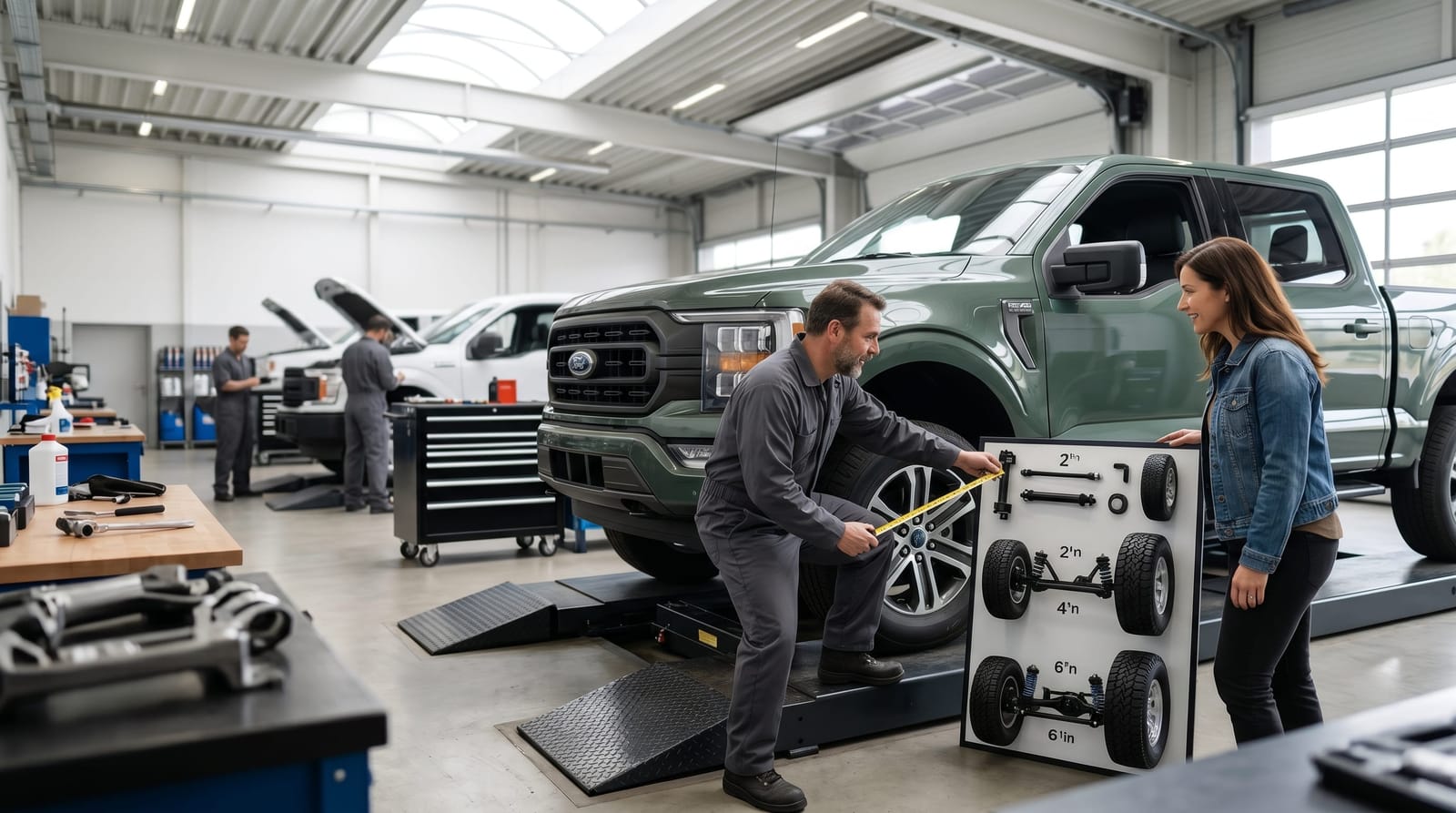
Choosing the right lift kit size is one of the most common questions truck owners face when they start thinking about customizing their vehicle. There's no single answer that works for everyone: the best lift height depends on how you use your truck, what tires you want to run, and how much you're willing to change about the way your vehicle drives and handles. This guide will walk you through the practical factors that go into truck lift kit size selection, so you can make a confident, informed decision before committing to any installation.
Understanding Lift Kit Height Ranges
Lift kits generally fall into a few size categories, and each one serves a different purpose. Knowing what each range actually does, beyond just how it looks, helps you match the right kit to your real-world needs.
Leveling Kits (1-2 Inches)
Most trucks from the factory sit slightly lower in the front than the rear. A leveling kit raises the front of the truck by 1 to 2 inches to even things out. This is a popular starting point for truck owners who want a more balanced stance without dramatically changing how the vehicle drives. Leveling kits are typically the most affordable option and allow you to fit tires that are slightly larger than stock, usually up to about 33 inches in diameter, without major modifications to the suspension or wheel wells.
Small Lifts (2-3 Inches)
A 2 to 3-inch lift gives you a noticeable improvement in ground clearance and a more aggressive look while keeping things relatively manageable on the road. If you primarily drive on pavement, take occasional dirt roads, or want a cleaner appearance without going overboard, this range is often a solid choice. You can typically fit 33- to 35-inch tires with a 3-inch lift, depending on your truck's make and model.
Mid-Range Lifts (4-6 Inches)
Once you move into the 4 to 6-inch range, you're entering territory designed for more serious off-road use and larger tire fitment. A 6-inch lift can accommodate tires up to 35 or 37 inches on most trucks, and some builds can go even larger with additional modifications. At this height, the changes to your truck's geometry become more significant, and you'll want to make sure your drivetrain, axles, and alignment are set up properly to handle the increased stress.
Large Lifts (6+ Inches)
Lifts above 6 inches are typically reserved for dedicated off-road builds or trucks that will regularly tackle demanding terrain. These installs often require additional components, extended brake lines, track bar adjustments, driveshaft modifications, and the total cost and complexity increase accordingly. While they're impressive and functional for the right purpose, they can make everyday driving less comfortable and may require more frequent maintenance checks.
Matching Lift Height to How You Actually Use Your Truck
The most important question to ask yourself before selecting a lift kit size isn't "what looks the best?": it's "what do I actually need this truck to do?"
- Daily driving and highway use: If your truck spends most of its time on paved roads, a 1 to 3-inch lift is usually more than enough. It improves ground clearance without significantly affecting fuel economy, handling, or ride quality.
- Light off-roading and trail use: For weekend trail driving, creek crossings, or moderate dirt roads, a 4-inch lift with 33 to 35-inch tires gives you solid clearance and improved approach angles without going to extremes.
- Serious off-road use: If you're regularly navigating rocky terrain, deep ruts, or technical trails, a 6-inch or taller lift paired with aggressive all-terrain tires makes practical sense. Just understand that this configuration trades some on-road comfort for off-road capability.
- Appearance-focused builds: Many truck owners want the look of a lifted truck without necessarily needing extreme off-road clearance. In this case, a 3 to 4-inch lift often hits the sweet spot between visual impact and everyday drivability.
Being honest with yourself about your actual use case saves money and prevents you from ending up with a truck that's harder to live with than you expected.
Tire Size and Clearance: They Go Hand in Hand
Lift height and tire size are closely connected decisions. You can't simply bolt on oversized tires without the right clearance, and you don't necessarily need a massive lift just to run slightly larger tires.
Here's a general guideline for how lift height relates to tire size on most full-size trucks:
- Stock or leveling kit: Up to 33-inch tires (may require minor trimming on some models)
- 2-3 inch lift: 33-35-inch tires with minimal modifications
- 4-5 inch lift: 35-37-inch tires, often without additional modification
- 6 inch lift: 37-inch tires and sometimes up to 40-inch tires depending on wheel offset and truck model
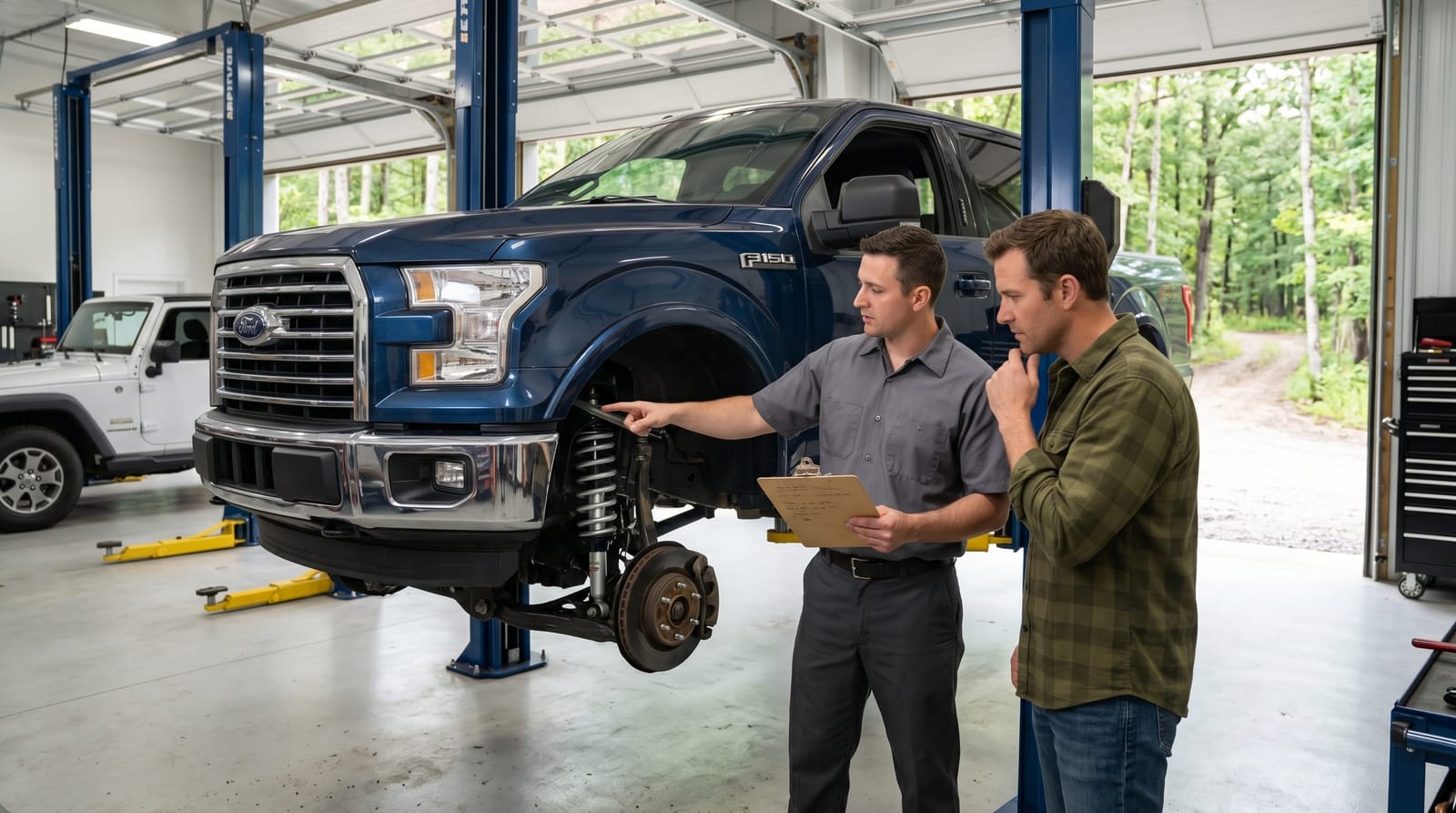
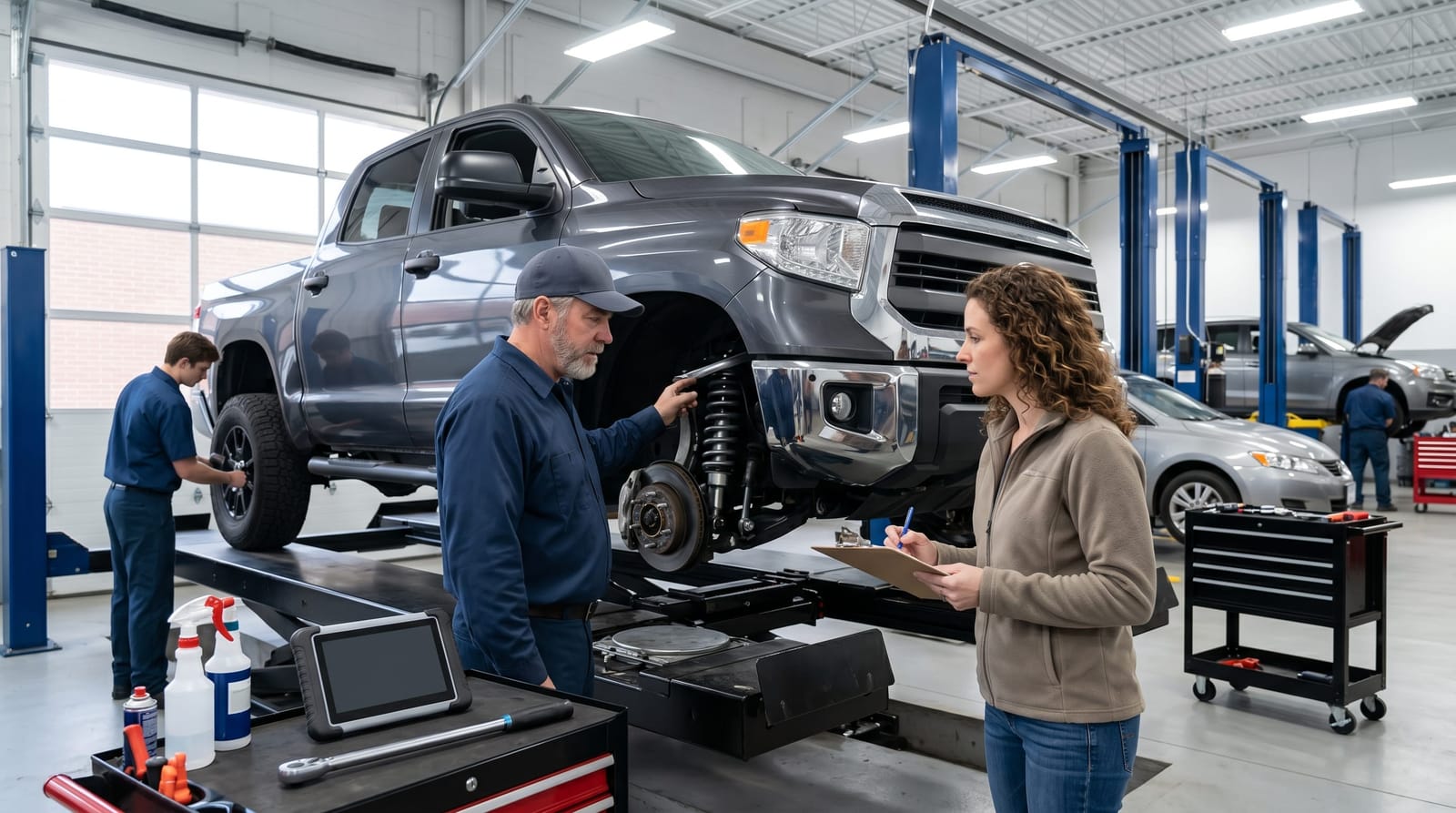
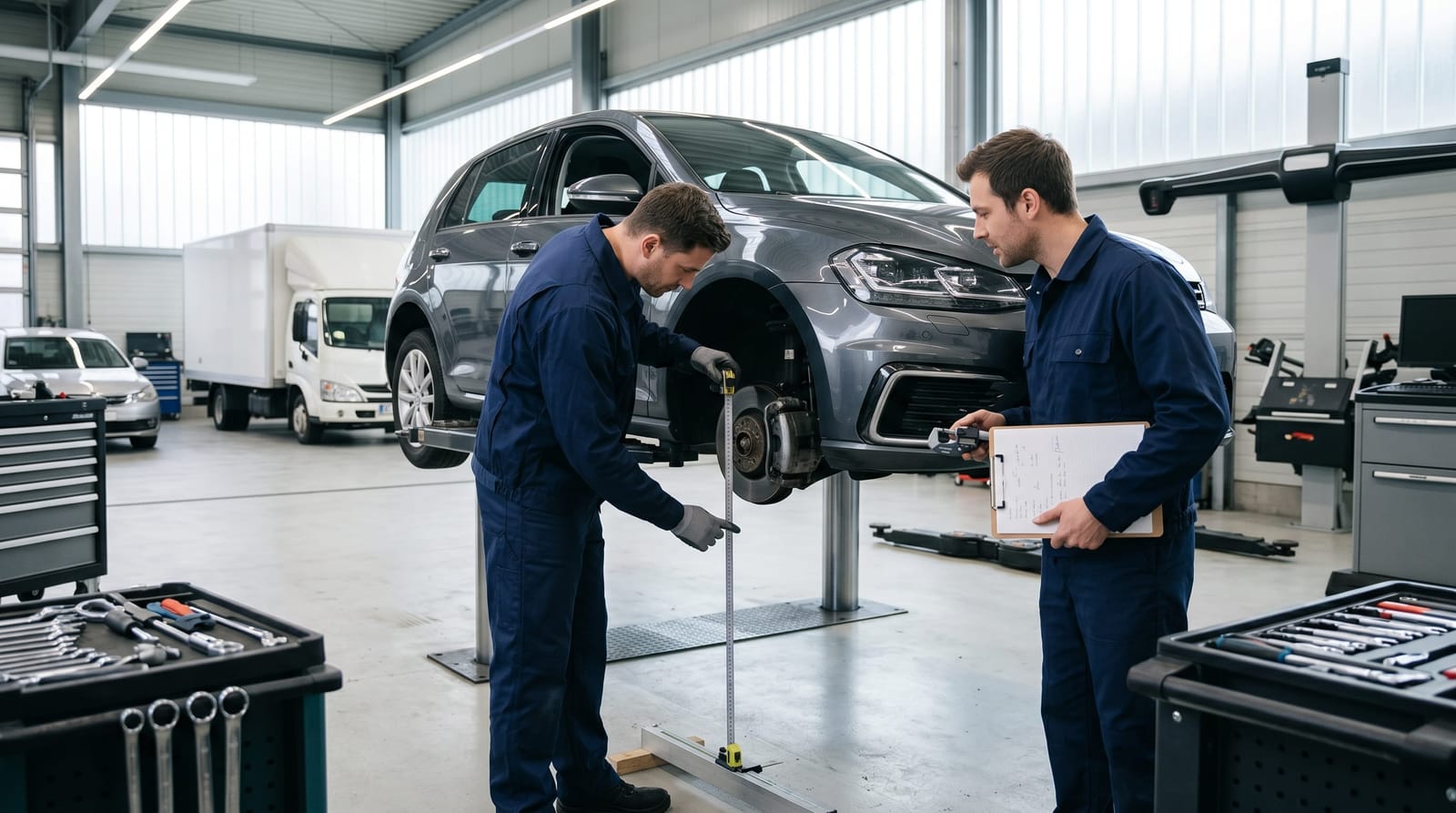
These are general estimates: your specific truck's make, model, and year matter quite a bit. A professional installer can measure your wheel well clearance and help you understand exactly what will fit without rubbing or causing wear on suspension components.
It's also worth thinking about the practical side of larger tires. A 37-inch tire adds weight, affects braking distance, and can influence fuel economy. Some trucks may need a gear ratio recalibration to restore normal throttle response and towing performance after moving to significantly larger tires.
Other Practical Factors to Consider
Beyond height and tire size, a few other considerations should factor into your decision:
Your Truck's Suspension Type
Independent front suspension (IFS) trucks, which include most modern half-ton trucks, have different lift options and limitations compared to solid front axle trucks. IFS vehicles are generally more comfortable on the road but can be more complex to lift beyond 4 to 6 inches while maintaining proper alignment and handling.
Towing and Payload
If you regularly tow trailers or haul heavy loads, keep in mind that larger lifts raise your truck's center of gravity. This doesn't mean you can't tow with a lifted truck, many people do it safely, but it does mean you should choose a reputable lift kit designed to maintain stability under load, and follow your truck's towing guidelines carefully.
Installation Costs and Long-Term Maintenance
Lift kit selection also has real cost implications. A leveling kit is one of the more straightforward installations, while a 6-inch suspension lift involves significantly more labor, parts, and follow-up alignment work. Understanding how much lift kit installation costs for the size you're considering helps you budget realistically and avoid surprises.
You may also want to review how a lift kit could affect your truck's warranty before moving forward, especially if your vehicle is still under a manufacturer's warranty.
Frequently Asked Questions
Is a 2-inch lift enough to make a noticeable difference?
Yes, even a 2-inch lift creates a visible change in your truck's stance and provides a small but real improvement in ground clearance. For drivers who primarily use their truck on roads and want a cleaner look without significant mechanical changes, a 2-inch lift or leveling kit is a practical and popular choice.
Do I need a lift kit just to fit bigger tires?
Not always. Many trucks can accommodate tires up to 33 inches in diameter with just a leveling kit or even no lift at all, depending on the model. If you want to run 35-inch or larger tires, a lift of at least 3 to 4 inches is typically needed to avoid tire rubbing against the wheel wells during turning and suspension travel.
Will a larger lift affect my truck's ride quality?
It can. Larger lifts change the angles of your suspension components, which can affect how the truck handles bumps and corners on regular roads. Quality lift kits from reputable manufacturers are engineered to minimize these effects, and a proper professional installation with a full alignment afterward makes a significant difference in how the truck rides and handles post-lift.
Can I add a larger lift later if I start with a smaller one?
In many cases, yes, but it's not always as simple as stacking kits on top of each other. Upgrading from a leveling kit to a full suspension lift usually means replacing components rather than adding to them. If you already know you want a taller lift eventually, it may be more cost-effective to plan for that size from the beginning.
Finding the Right Fit for Your Truck
Truck lift kit size selection comes down to one core principle: match the lift to your actual life, not just the look you have in mind. A 2 to 3-inch lift handles the needs of most daily drivers and mild off-road enthusiasts. A 4 to 6-inch lift opens the door to larger tires and more capable off-road performance. Going beyond 6 inches makes sense for dedicated builds with a specific purpose. Whatever size you're considering, a professional installation with proper alignment and component checks ensures your truck drives safely and confidently for the long haul, on the road or off it.