Budget Engine Performance Upgrades: Getting More Power Without Breaking the Bank
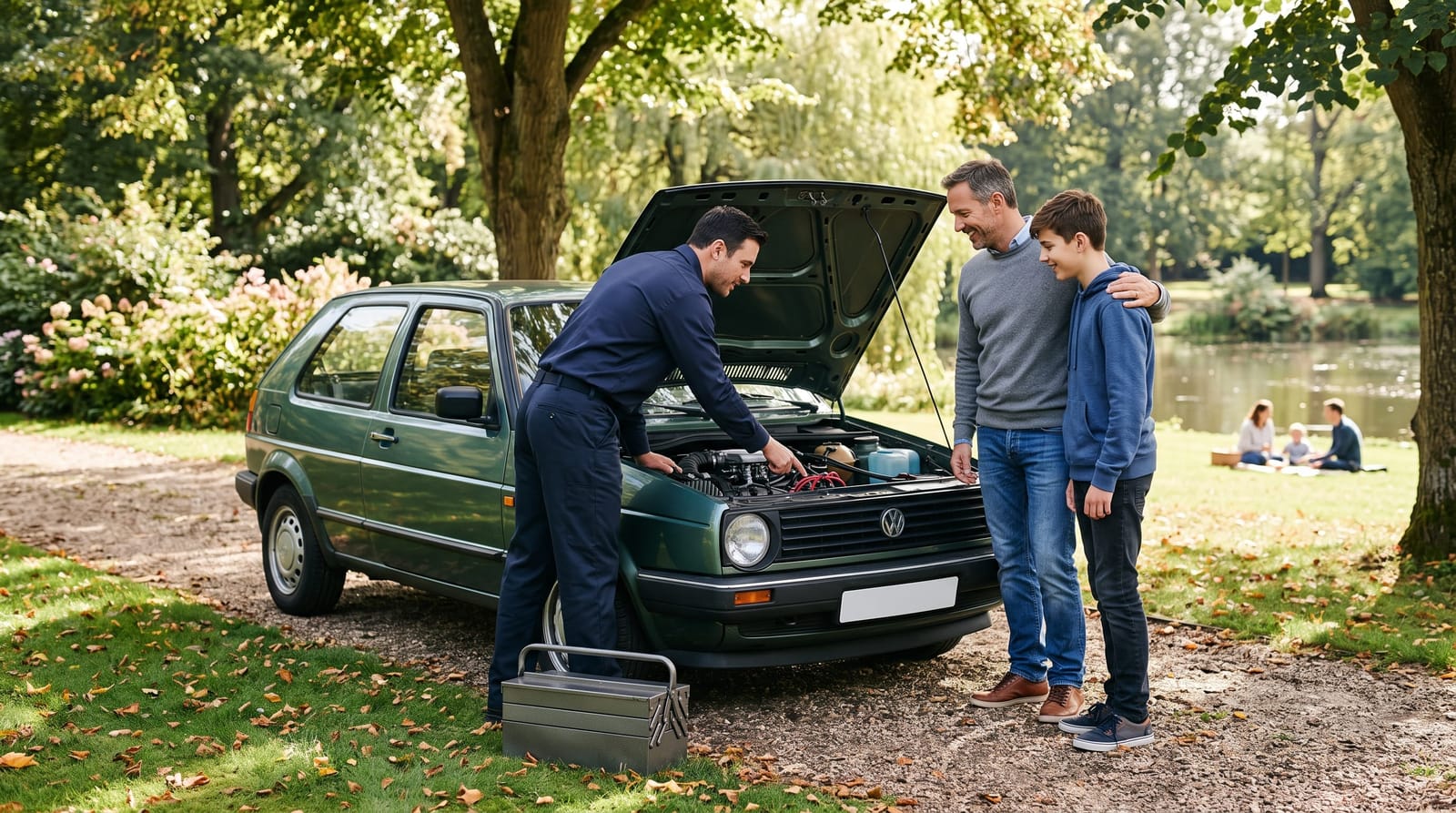
If you've been reading through our complete engine tune-up guide for Forney and Kaufman County drivers, you already know that a good tune-up is one of the smartest investments you can make in your vehicle. But what comes after the basics? For drivers who want to go a step further and squeeze more performance out of their everyday vehicle, without spending a small fortune, there are several affordable upgrades worth knowing about. This post covers the most practical budget engine performance upgrades available, what each one actually does, what realistic cost expectations look like, and how to approach these improvements the right way. Whether you drive a commuter car, a pickup truck, or a family SUV around Forney, Rockwall, or anywhere in Kaufman County, this guide is written for you.
1. Start With the Fundamentals Before Upgrading Anything
One of the most common mistakes budget-conscious performance enthusiasts make is jumping straight to aftermarket parts before confirming that the engine's baseline condition is solid. Installing a cold air intake on an engine with fouled spark plugs and a dirty fuel system is like putting premium tires on a car with a bent frame: the improvement won't land the way you expect.
Before spending a dollar on any budget engine performance upgrades, confirm the following are in good shape:
- Spark plugs are fresh and gapped correctly for your engine
- Air filter is clean and allowing proper airflow
- Fuel injectors are clean and delivering consistent fuel spray
- Oxygen sensors are functioning accurately
- Engine oil is clean and at the correct viscosity for your vehicle
- No active diagnostic trouble codes stored in the vehicle's computer
Understanding what does a tune up do for your vehicle's performance is the right starting point. A well-maintained engine responds better to upgrades, and you'll see measurable gains much more clearly when the foundation is solid. Think of maintenance as the prerequisite, and performance upgrades as the optional add-ons that build on top of it.
2. Performance Spark Plugs: The Most Affordable First Step
Upgrading to high-performance spark plugs is one of the simplest, most cost-effective budget engine performance upgrades available to everyday drivers. Standard copper spark plugs work fine, but iridium and platinum spark plugs offer measurable advantages that most vehicle owners notice fairly quickly.
What Makes Performance Spark Plugs Different?
Performance spark plugs, particularly iridium-tipped versions, feature a finer electrode tip that produces a more concentrated spark. This leads to more complete combustion of the air-fuel mixture inside the cylinder. The practical benefits include:
- Smoother idle and reduced engine hesitation
- Improved throttle response when accelerating
- More consistent combustion across all cylinders
- Extended service life compared to standard copper plugs (iridium plugs can last 60,000-100,000 miles)
- Modest fuel economy improvements in vehicles with older or worn plugs
What Should You Expect to Pay?
A full set of iridium spark plugs for a typical 4-cylinder engine generally runs between $40 and $80 for parts alone. For a V6 or V8 engine, parts costs increase proportionally. Labor for installation is typically straightforward: this is not a complex job for an experienced shop. Total cost including installation is often one of the lowest entry points for any performance-related service.
For drivers who haven't had a tune-up in a while, reviewing engine tune up frequency schedule guidelines is a smart place to start before deciding whether spark plug replacement or a full tune-up makes more sense for your situation.
3. Cold Air Intake Systems: More Air, Better Performance
Cold air intake systems are among the most popular budget engine performance upgrades for a good reason: they address one of the most fundamental limitations of a factory air intake setup. Stock air intake systems are designed to balance performance with noise reduction and emissions compliance, which sometimes means they're not pulling in air as efficiently as they could be.
How a Cold Air Intake Works
A cold air intake replaces the factory air box and intake tubing with a smoother, less restrictive path for air to reach the engine. The name comes from the goal of routing the intake further away from engine heat, pulling in cooler, denser air. Denser air contains more oxygen molecules per cubic foot, which allows the engine to burn fuel more completely.
Realistic Performance Expectations
Here's what drivers can realistically expect from a quality cold air intake installation:
- Horsepower gains typically range from 5 to 15 horsepower depending on the engine
- Improved throttle response, particularly during mid-range acceleration
- A more pronounced engine sound under acceleration (noticeable but not extreme)
- Potential fuel economy improvements, though results vary based on driving habits
- Parts cost for most vehicles ranges from $150 to $350 for a reputable brand
If you're curious whether a cold air intake can realistically move the needle on your fuel costs, the topic of cold air intake fuel economy improvement goes deeper into what the data actually shows for everyday drivers.
One important note: cold air intake installation should be done by a shop familiar with your specific vehicle. Routing and fitment matter, and a poorly installed intake can trigger check engine lights or cause issues with mass airflow sensor readings.
4. Fuel System Cleaning: Restoring Performance You Already Paid For
Over time, fuel injectors accumulate carbon deposits and varnish buildup that reduce the quality and consistency of the fuel spray entering each cylinder. This is one of the most overlooked areas in budget engine performance upgrades, not because it's a flashy modification, but because it restores performance that's already been lost rather than adding something new.
Signs Your Fuel System Needs Attention
- Rough idle or occasional engine stumbling
- Sluggish acceleration despite a responsive throttle
- Noticeable decrease in fuel economy compared to past performance
- Occasional misfires or hesitation at highway speeds
- Engine feels less responsive than it used to
What Fuel System Cleaning Involves
A professional fuel system cleaning typically involves running a concentrated detergent solution through the fuel rail and injectors to dissolve carbon buildup, as well as cleaning the throttle body and intake components. For many vehicles with 50,000 miles or more, this service alone produces a noticeably smoother, more responsive engine, without any mechanical modifications at all. It's a straightforward service that costs a fraction of what most aftermarket parts do, and it directly supports the effectiveness of other budget engine performance upgrades you may add later.
5. Exhaust Upgrades: Letting Your Engine Breathe Out
If a cold air intake improves how efficiently air gets into the engine, a performance exhaust upgrade improves how efficiently exhaust gases exit. These two upgrades are natural complements to each other, and they're both well within the budget engine performance upgrades category when approached carefully.
What Types of Exhaust Upgrades Make Sense for Everyday Drivers?
For daily drivers around Forney and Kaufman County, not track vehicles or modified sports cars, the most practical exhaust upgrade options include:
- Cat-back exhaust systems: Replace the exhaust from the catalytic converter back to the tailpipe. These generally run between $200 and $600 for quality parts and provide modest horsepower gains with a deeper exhaust note.
- Performance mufflers: A less expensive option that replaces only the muffler with a less restrictive design. Parts cost typically ranges from $75 to $200.
- High-flow catalytic converters: More involved and more expensive, but relevant for higher-mileage vehicles with restricted factory cats. These are best evaluated on a case-by-case basis.
Realistic Gains and Considerations
A cat-back exhaust system on a properly maintained engine can yield horsepower improvements in the 5-20 horsepower range depending on the vehicle and system chosen. More importantly, reduced exhaust backpressure helps the engine run at lower operating temperatures during sustained driving: a benefit for long-term reliability. Before choosing any exhaust modification, it's worth confirming the upgrade is appropriate for your specific vehicle and won't affect emissions compliance in your area.
6. Combining Upgrades: How to Build a Performance Plan That Makes Sense
One of the most practical ways to approach budget engine performance upgrades is to build a simple, prioritized plan rather than purchasing parts randomly based on what's on sale. Here's a logical order for most everyday vehicle owners:
- Complete a full tune-up first: fresh spark plugs, clean air filter, new fuel filter if applicable
- Schedule a fuel system cleaning: restore injector efficiency and baseline combustion quality
- Add a cold air intake: improve airflow into the engine with a quality brand appropriate for your vehicle
- Consider a performance exhaust upgrade: complement the intake improvement with better exhaust flow
- Reassess and evaluate, after each upgrade, note real-world improvements before spending further
This approach keeps spending controlled, allows you to evaluate each upgrade's impact, and ensures you're not layering aftermarket parts on top of a poorly maintained engine. Understanding the full spectrum of engine performance upgrade benefits can help you decide which combination makes the most sense for how you drive and what you want out of your vehicle.
The shop matters too. Budget-conscious drivers in Forney and surrounding Kaufman County areas benefit most from working with a local shop that knows their vehicle, can source quality parts at fair prices, and won't recommend modifications that don't make sense for their specific make and model. Gregg Automotive works with everyday drivers, not just enthusiasts, to find practical performance solutions that deliver real results without unnecessary expense.
Related Details Worth Exploring
If you're researching budget engine performance upgrades in more depth, a few specific topics connect directly to what we've covered here:
- The real-world impact of cold air intakes on fuel economy is worth examining carefully: results vary significantly based on vehicle type and driving style
- Spark plug selection for your specific engine type (standard vs. iridium vs. platinum) affects both cost and performance outcome
- Fuel system cleaning intervals and how to tell when your injectors actually need attention
Final Thoughts: Smart Upgrades Start With Smart Maintenance
Budget engine performance upgrades don't require a racing background or a large parts budget: they require the right information and a sensible starting point. For most Forney and Kaufman County drivers, that starting point is a well-executed tune-up followed by targeted upgrades that match how the vehicle is actually used. Cold air intakes, performance spark plugs, fuel system cleaning, and modest exhaust improvements are all legitimate, cost-effective steps toward a more responsive, efficient engine.
If you're ready to talk through what makes sense for your specific vehicle, Gregg Automotive is here to help. We work with everyday drivers to find practical performance solutions that fit real budgets. Give us a call or stop by: we'll take a look at where your engine stands today and help you build a plan that actually makes a difference.