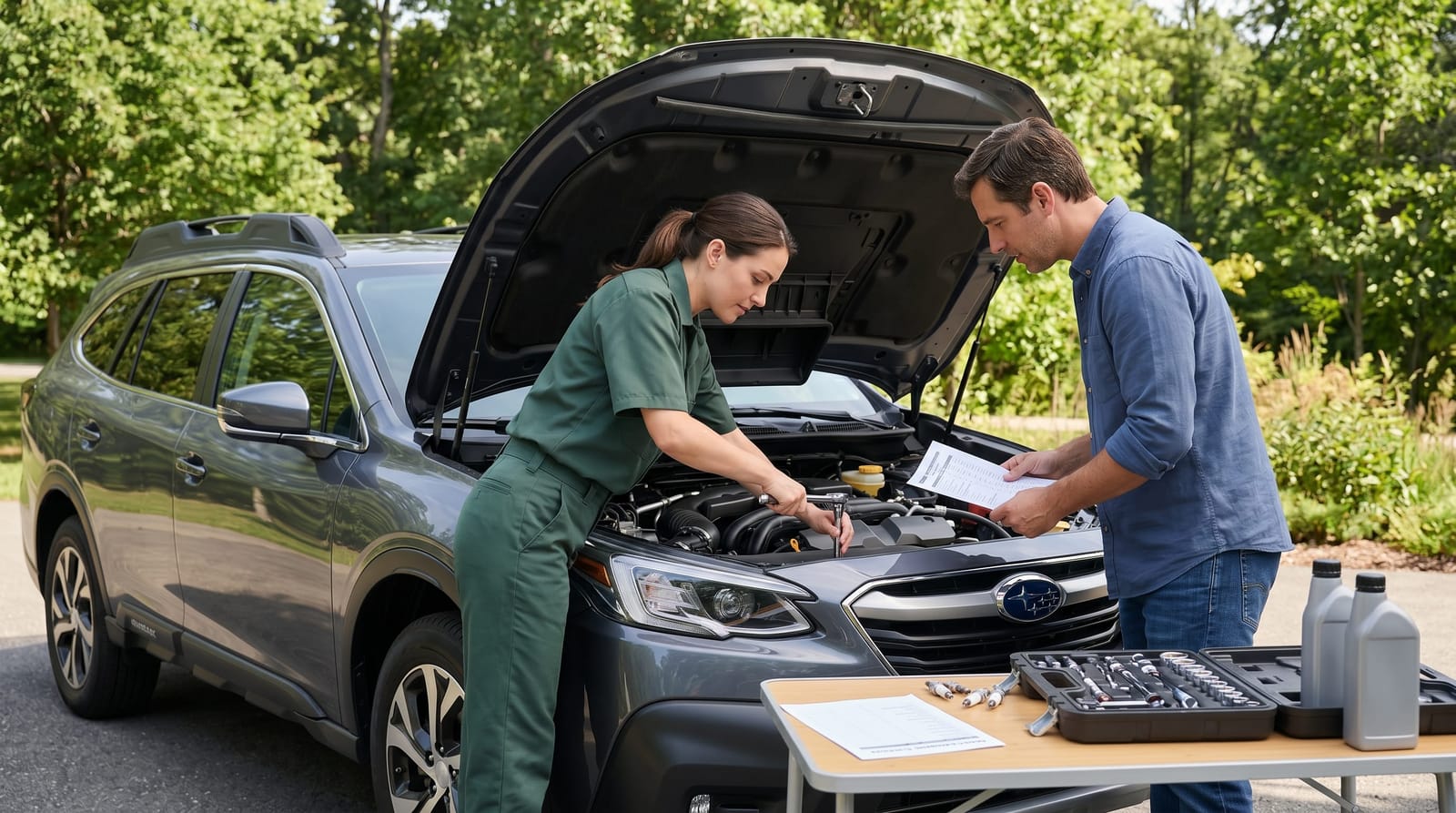
What Does a Flashing Check Engine Light Mean?

A check engine light that stays solid is worth paying attention to, but a check engine light that flashes or blinks is a different situation entirely. If your dashboard suddenly shows a blinking warning light, your vehicle is trying to tell you something urgent. This post breaks down exactly what that flashing light means, what's likely causing it, what you should do right now, and why acting quickly can save you from a much larger repair bill down the road.
Flashing vs. Solid: Why the Difference Matters
Not all check engine lights carry the same message. A solid, steady check engine light means the vehicle's onboard computer has detected a fault, often something like a loose gas cap, a failing oxygen sensor, or an emissions-related issue. These problems deserve attention, but they typically don't require you to pull over immediately.
A flashing check engine light is a step above that. Modern vehicles are designed to flash the light specifically when the engine is actively misfiring: meaning one or more cylinders are failing to combust fuel properly in real time. This isn't a "get it checked soon" signal. It's the vehicle's way of saying the problem is happening right now and getting worse with every mile you drive.
The reason this matters so much comes down to your catalytic converter, which is part of your vehicle's exhaust and emissions system. When unburned fuel passes through the exhaust system during a misfire, it can enter the catalytic converter and cause it to overheat. Catalytic converters can reach internal temperatures exceeding 2,000°F during a severe misfire event, and a damaged catalytic converter can cost anywhere from $900 to $2,500 or more to replace: far more expensive than fixing the misfire that caused it in the first place.
What to Do When Your Check Engine Light Is Flashing
The good news is that you have a clear set of steps to follow. Here's how to handle it safely:
- Reduce your speed immediately. Ease off the accelerator and slow down. Aggressive driving or high engine loads make an active misfire worse and increase the risk of catalytic converter damage.
- Avoid hard acceleration. Don't merge at highway speeds, don't gun the engine, and don't try to "power through" the issue. The harder the engine works, the more raw fuel gets pushed through the exhaust system.
- Find a safe place to pull over if the vehicle feels unstable. If you notice shaking, rough idling, a strong smell of fuel, or unusual noises alongside the flashing light, it's worth stopping entirely rather than continuing to drive.
- Get to a repair shop as soon as possible. Same day is ideal. The flashing light is telling you this problem is active, not pending. Even a short drive across town is preferable to putting it off until tomorrow.
- Don't assume the light going away means the problem is gone. Misfires can be intermittent. If the light stops flashing and goes solid, the immediate crisis may have passed, but the underlying cause is still there and should be diagnosed.
Studies show that deferred engine repairs often result in secondary damage that costs 2 to 3 times more than the original repair. Acting within the first 24 to 48 hours of a flashing check engine light is one of the most cost-effective decisions you can make as a vehicle owner.
Common Causes of Engine Misfires
A flashing check engine light almost always traces back to an engine misfire, but misfires themselves have several different root causes. When you bring your vehicle in for diagnosis, a technician will read the stored fault codes and use that data to pinpoint which cylinder is affected and what's causing the problem. Here are the most common culprits:
Worn or Failing Spark Plugs
Spark plugs are responsible for igniting the air-fuel mixture inside each cylinder. Over time, typically between 30,000 and 100,000 miles depending on the plug type, they wear down and can no longer produce a strong, consistent spark. A weak or absent spark means incomplete combustion, which is the definition of a misfire. Spark plug replacement is one of the more straightforward fixes and is often part of a routine engine tune up frequency schedule.
Faulty Ignition Coils
Modern vehicles use individual ignition coils, one per cylinder, to generate the electrical charge that fires the spark plug. When a coil fails, that cylinder stops firing reliably. Ignition coil failure is one of the most frequently diagnosed causes of a flashing check engine light, and it's estimated that ignition coil issues account for roughly 25 to 30 percent of all engine misfire codes.
Fuel Delivery Problems
If a fuel injector becomes clogged or fails, the affected cylinder doesn't receive the right amount of fuel. Too little fuel and combustion can't happen properly. Dirty fuel injectors are more common in vehicles that have skipped fuel system maintenance or have accumulated significant mileage without service.
Vacuum Leaks
Engines rely on a carefully balanced ratio of air and fuel. A vacuum leak, a crack or loose connection in one of the engine's air intake hoses, allows unmetered air to enter the system, throwing off that ratio and causing misfires. Vacuum leaks are sometimes overlooked because they don't always trigger obvious symptoms beyond rough running and a check engine light.
Low Compression
Each cylinder needs adequate compression to ignite the air-fuel mixture. Compression problems, caused by worn piston rings, a damaged valve, or in more serious cases a head gasket issue, mean that no matter how good your spark plugs and injectors are, the cylinder can't fire properly. This type of misfire tends to be more serious and may require more involved engine work.
Why Acting Quickly Actually Saves Money
It's understandable to want to wait and see if the light goes away on its own. But with a flashing check engine light specifically, waiting typically increases the cost of the repair rather than avoiding it.
Here's a practical example: A single faulty ignition coil might cost $150 to $300 to diagnose and replace. If that misfire continues unchecked and damages the catalytic converter, you're looking at an additional $900 to $2,500: sometimes more on certain vehicle models. The original repair didn't get cheaper by waiting; a second, expensive repair was simply added on top of it.
Beyond cost, there's also the matter of safety. Severe misfires can cause rough, unpredictable engine behavior. In some cases, they produce enough heat in the exhaust system to create a fire risk, particularly if there are any oil or fuel leaks nearby. Getting it checked promptly is about protecting your vehicle and your peace of mind, not just your wallet.
Frequently Asked Questions
Can I drive with a flashing check engine light?
It's strongly advised not to. A flashing check engine light signals an active engine misfire that can cause rapid damage to your catalytic converter. If you must drive, keep your speed low, avoid hard acceleration, and get to a shop the same day. Driving as normal, especially at highway speeds, significantly increases the risk of turning a manageable repair into a costly one.
What's the difference between a flashing and a solid check engine light?
A solid check engine light indicates a fault that has been logged by your vehicle's computer, but the problem may not be actively occurring at that moment. A flashing check engine light means the issue is happening right now, typically an active engine misfire, and requires prompt attention. The flashing pattern is intentionally more alarming because the urgency is genuinely higher.
Will the flashing check engine light go away on its own?
Sometimes a misfire is intermittent, and the light may shift from flashing to solid or appear to stop. However, the underlying cause does not fix itself. If the light has flashed at any point, the fault code remains stored in your vehicle's computer and should still be diagnosed. Ignoring an intermittent misfire often allows the problem to progress until it becomes constant or causes secondary damage.
How do technicians figure out what's causing the misfire?
The first step is reading the diagnostic trouble codes stored in the vehicle's computer using a scan tool. Misfire codes identify which cylinder or cylinders are affected (for example, a P0302 code points to cylinder 2). From there, a technician performs additional tests, checking spark, fuel delivery, compression, and other factors, to find the root cause. This targeted approach means you're not guessing at parts; the repair is based on what's actually happening in your engine.
The Bottom Line
A flashing check engine light isn't something to sleep on. It's your vehicle communicating an active engine misfire: a problem that, left unaddressed, can escalate from a relatively simple repair into a significantly more expensive one. Reduce your speed, skip the highway, and get to a trusted shop promptly. Arriving informed about what misfires are and what causes them helps you have a better conversation with your technician and make confident decisions about your repair. The sooner it's diagnosed, the better the outcome for your vehicle, and your budget.