Engine Tuneup for High-Mileage Trucks in Terrell and Canton TX: When and Why
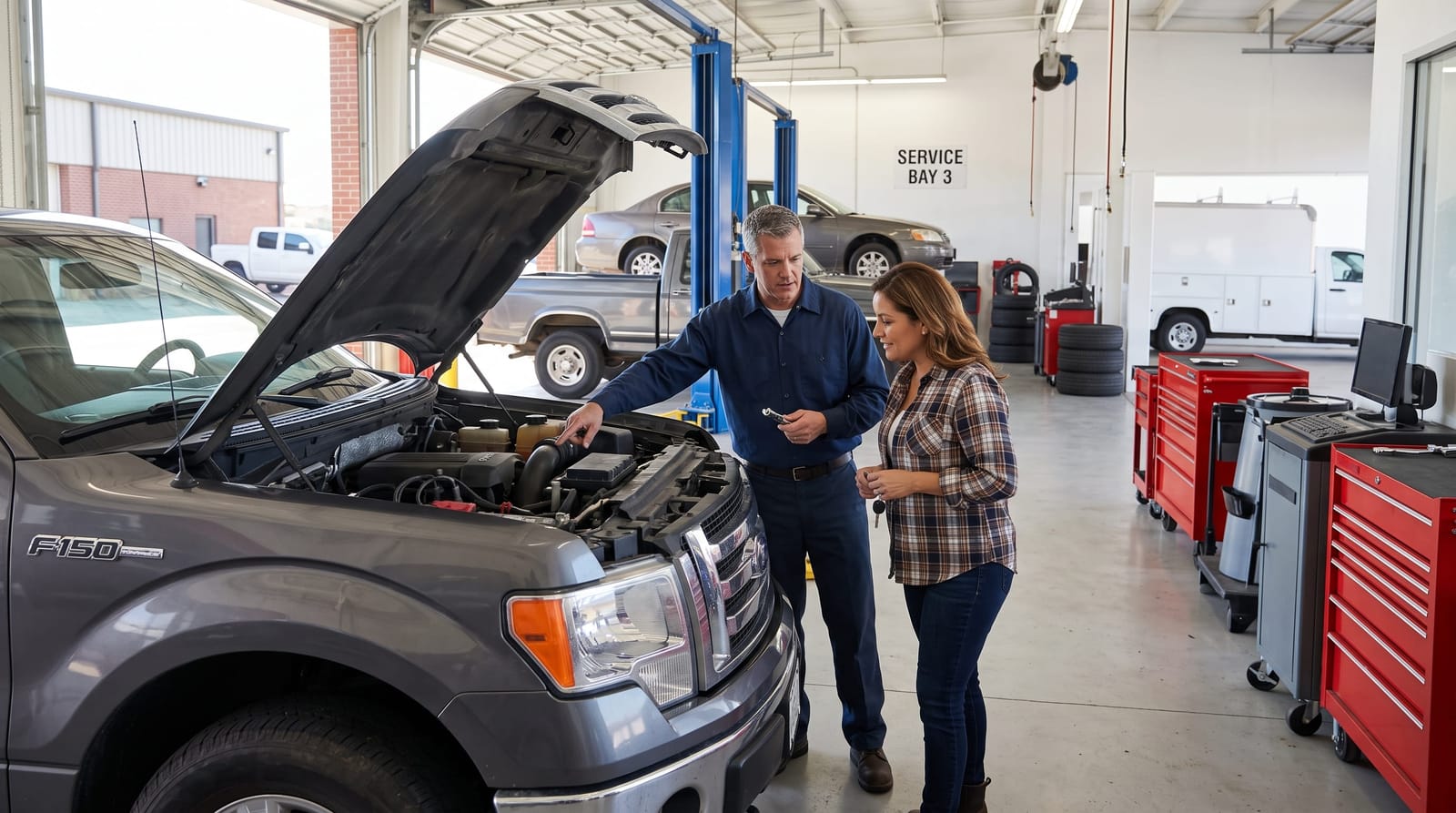
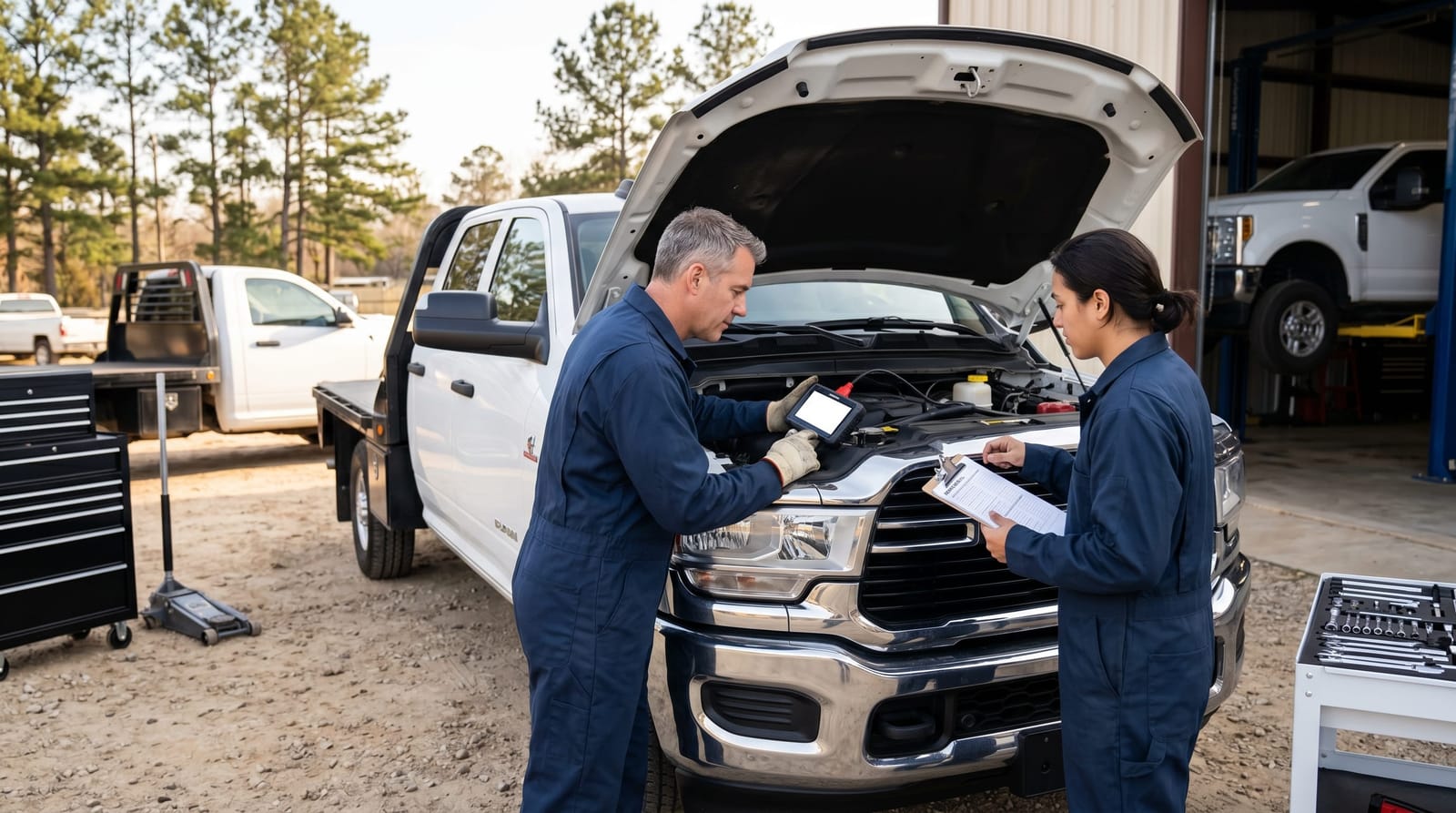
If your truck has crossed the 100,000-mile mark, it's earned its stripes, and it's telling you something. High-mileage trucks throughout Kaufman County are some of the hardest-working vehicles on the road, hauling equipment across farm roads in Canton, commuting long stretches into Dallas from Terrell, and handling everything rural East Texas throws at them. As part of a broader approach to truck and SUV performance and capability, engine maintenance is one of the most important investments a working truck owner can make. This guide walks through exactly what an engine tuneup for a high-mileage truck in Terrell TX involves, when the right time to schedule one is, and what real-world benefits you can expect on the other side.
What "High-Mileage" Actually Means for a Truck Engine
The term "high-mileage" gets used loosely, but for practical purposes, most mechanics consider trucks in the 75,000 to 100,000-mile range to be entering a phase where wear on engine components starts to noticeably affect performance. By the time a truck crosses 150,000 or 200,000 miles, which is not unusual at all for Kaufman County working trucks, several components that were designed to last a set number of miles have typically reached or exceeded their service life.
This doesn't mean your truck is on its last legs. Many well-maintained trucks in this area run reliably past 250,000 miles. What it does mean is that the engine is no longer running with the same efficiency it had when it left the dealership lot. Fuel isn't burning as cleanly, spark plugs may be misfiring slightly, airflow may be restricted, and fuel delivery may be inconsistent. These aren't dramatic failures: they're gradual performance losses that add up over time.
Signs Your High-Mileage Truck Is Overdue for a Tuneup
- Noticeably reduced fuel economy compared to previous months
- Rough idle or slight engine hesitation when accelerating
- Sluggish response when merging or climbing grades with a load
- Engine takes longer to warm up or runs rougher in cold mornings
- Slightly increased exhaust smell or black smoke during acceleration
None of these symptoms are emergencies on their own, but together they signal that your engine is working harder than it needs to, and that a tuneup will make a measurable difference.
Spark Plugs: The Starting Point of Every Tuneup
Spark plugs are the most discussed component in any engine tuneup conversation, and for good reason. They're responsible for igniting the fuel-air mixture in each cylinder, and when they're worn, misfiring, or fouled, the entire combustion cycle becomes inefficient. Standard copper spark plugs are typically rated for around 30,000 miles, while iridium or platinum plugs can last 60,000 to 100,000 miles. On a high-mileage truck, there's a good chance the plugs haven't been changed since the vehicle was much newer, or haven't been changed at all by a second or third owner.
Worn spark plugs require more voltage to fire, and they fire less reliably. The result is incomplete combustion, which wastes fuel and reduces power output. Studies from the U.S. Department of Energy have noted that misfiring spark plugs can reduce fuel efficiency by as much as 4%, and some estimates for significantly worn plugs run higher. For a truck that's already averaging 15 to 18 miles per gallon, that's a meaningful loss over thousands of miles of driving.
For Kaufman County drivers with F-150s, Silverados, Tundras, and Ram 1500s in the higher mileage ranges, selecting the right plug matters too. If you're curious about which spark plugs are best suited to your specific truck, our detailed guide on spark plug replacement for high mileage trucks in Kaufman County breaks that down by model and engine type.
Fuel Injectors and Air Filters: The Airflow and Delivery Side
A tuneup isn't just about spark plugs. Two other components have a major influence on how efficiently your engine runs: fuel injectors and the air filter. Together, they control how cleanly fuel and air enter and mix in the combustion chamber.
Fuel Injectors on High-Mileage Trucks
Fuel injectors are precision components that spray a fine mist of fuel into the engine at the exact right moment. Over time, especially in trucks that have seen a lot of dusty rural driving or that have run lower-quality fuel, injectors can develop deposits that affect the spray pattern. Instead of a clean mist, a partially clogged injector may drip or spray unevenly, reducing efficiency and power. Professional fuel injector cleaning or replacement can restore proper spray patterns and noticeably improve throttle response and fuel economy.
On trucks with over 100,000 miles, it's worth having injectors inspected even if they haven't been visibly causing problems. Preventative cleaning is much more affordable than waiting until performance loss becomes dramatic.
Air Filters: Simple but Critical
Kaufman County's rural roads, particularly in areas around Canton, Crandall, and Terrell, generate significant dust and particulate matter. A clogged air filter restricts airflow into the engine, forcing it to work harder to pull in enough oxygen for combustion. The EPA estimates that replacing a clogged air filter can improve acceleration by up to 11% on older vehicles with carbureted engines, and on modern fuel-injected trucks, a dirty filter still measurably affects performance and fuel delivery. Air filters are inexpensive and easy to check, but they're commonly overlooked during routine maintenance stops.
Ignition Timing and Other Tuneup Components
In older trucks, particularly those from the early 2000s and before, ignition timing was a mechanical adjustment that drifted over time and needed periodic recalibration. In modern trucks with electronic engine management systems, timing is controlled automatically by the engine control module (ECM). However, that doesn't mean timing issues are impossible. Carbon buildup on pistons, worn sensors, and ECM calibration drift can all affect how the engine manages fuel delivery and timing.
Components Often Addressed in a Comprehensive Tuneup
- PCV valve: Regulates crankcase pressure; when stuck or clogged, it can cause oil consumption issues and rough idle
- Oxygen sensors: These measure exhaust composition and help the ECM adjust fuel mixture; worn sensors can cause rich running conditions and fuel waste
- Throttle body cleaning: Carbon deposits on the throttle body restrict airflow and cause hesitation, especially during cold starts
- Mass airflow sensor cleaning: A dirty MAF sensor sends inaccurate readings to the ECM, causing incorrect fuel-to-air ratios
- Coolant temperature sensor: Affects warm-up timing and idle quality, especially in colder months
Not every one of these components needs attention in every tuneup. A thorough inspection determines which items are genuinely affecting performance versus which ones are still within acceptable range. A good shop will walk you through what they find rather than replacing everything as a blanket policy.
When to Schedule a Tuneup: Mileage Intervals and Real-World Triggers
The traditional answer to "when should I get a tuneup?" used to be every 30,000 miles. Modern engine technology has stretched that interval significantly for most components, but high-mileage trucks often need more frequent attention because accumulated wear compounds over time.
Here's a practical framework for Kaufman County truck owners:
- 75,000 to 100,000 miles: Schedule a comprehensive tuneup inspection, especially if the vehicle's service history is unclear. Replace plugs if they're original or past manufacturer intervals.
- 100,000 to 150,000 miles: Full tuneup including plugs, air filter, fuel system inspection, and sensor review. Consider fuel injector cleaning if fuel economy has declined.
- 150,000+ miles: More frequent checks on all tuneup components, particularly oxygen sensors and the PCV system, which tend to wear more quickly at this mileage level.
Beyond mileage, real-world triggers matter just as much. If your truck has been sitting for extended periods, has changed ownership, or has spent several years on dusty county roads, schedule a tuneup regardless of the odometer. Time and conditions affect components just as mileage does.
What to Expect After a Tuneup: Realistic Performance Gains
Truck owners sometimes wonder whether a tuneup is worth the investment, especially if the truck is still technically running. The honest answer is: it depends on how far the components have degraded, but for high-mileage trucks, the gains are almost always noticeable.
Here's what owners in the Terrell and Canton area typically report after a proper engine tuneup on a high-mileage truck:
- Smoother, more consistent idle: the engine stops hunting or surging at stops
- Improved throttle response: less hesitation when pulling out onto a highway or accelerating with weight in the bed
- Fuel economy improvement, not a dramatic overnight change, but 1 to 3 MPG improvement is commonly reported when multiple worn components are addressed together
- More reliable cold-start performance, especially important in winter months
- Reduced exhaust emissions: important for trucks that need to pass Texas inspection
It's worth setting realistic expectations here. A tuneup restores engine efficiency: it brings your truck back toward where it should be running, not beyond it. If a truck was rated at 18 MPG combined when new and has dropped to 14 MPG at 130,000 miles, a thorough tuneup may bring that back to 16 or 17 MPG. That's a meaningful difference over 20,000 to 30,000 annual miles of driving.
If your truck does a lot of hauling or towing, keeping the engine tuned also reduces strain on other drivetrain components. A well-tuned engine doesn't work as hard under load, which translates to less wear on the transmission and drivetrain over time. For truck owners interested in maximizing towing reliability, our guide on truck brake upgrades and towing capacity for Forney TX drivers covers how engine and brake health work together under load.
Related Details Worth Exploring
For owners who want to go deeper on specific aspects of high-mileage truck maintenance, a few related topics are worth reviewing:
- Choosing the right spark plug type and brand for your specific F-150 or Silverado is a more involved question than most people realize: our post on spark plug replacement for high-mileage trucks in Kaufman County explains the differences between copper, platinum, and iridium plugs and when each makes sense.
- Suspension wear on high-mileage trucks affects how the vehicle handles under load and on rough roads: topics covered in our guide on truck suspension maintenance for Kaufman County drivers.
Keeping Your Truck Running Well Past 200,000 Miles
The trucks that reach 200,000 and 250,000 miles reliably aren't necessarily the ones that got lucky. They're usually the ones whose owners stayed ahead of maintenance rather than reacting to problems. An engine tuneup for a high-mileage truck in Terrell TX is one of the most straightforward investments a truck owner can make in long-term reliability, and in Kaufman County, where trucks are tools as much as they are transportation, keeping your engine in strong condition makes practical sense every time you load up the bed or hitch to a trailer.
If your truck is approaching or past the 100,000-mile mark and you're not sure when the last tuneup was performed, that uncertainty alone is a good reason to schedule an inspection. Gregg Automotive serves drivers throughout Kaufman County, including Terrell, Canton, Crandall, and surrounding communities, with honest, straightforward service focused on getting your truck running the way it should. Give us a call or stop in to talk through what your truck might need.