
How Often Should I Get an Engine Tune-Up?
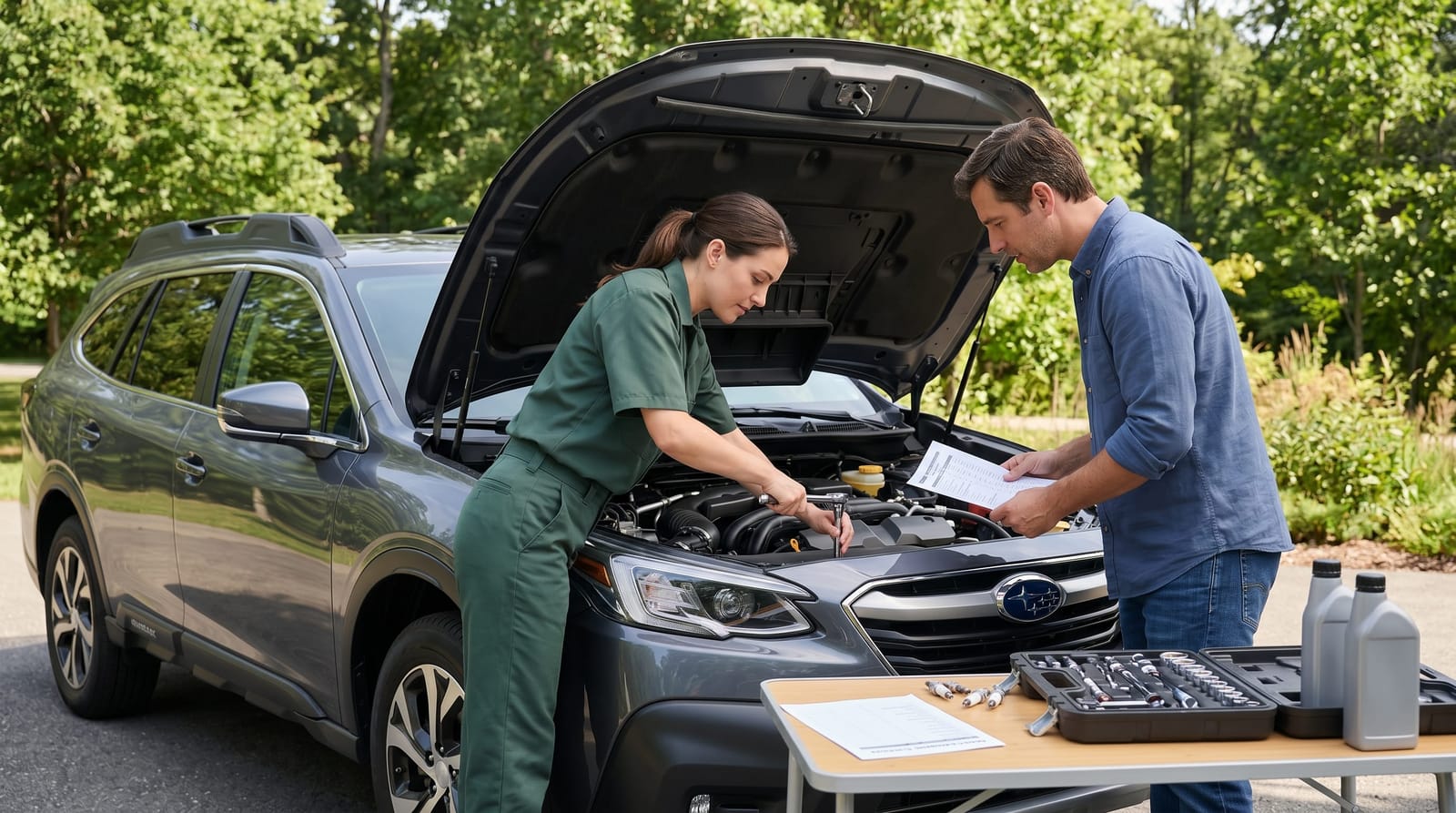
If you've ever wondered whether your car is overdue for a tune-up, you're not alone. It's one of the most common questions vehicle owners ask, and the answer isn't the same for everyone. Tune-up intervals depend on your specific vehicle, how you drive, and what type of components your engine uses. Understanding the right engine tune up frequency schedule for your car can help you avoid small problems before they turn into bigger ones. This guide breaks it down simply so you can make a confident, informed decision.
Tune-Up Intervals: What the Numbers Actually Mean
One of the most important things to know is that there's no single tune-up schedule that fits every vehicle. Recommendations vary quite a bit depending on the age and design of your car.
For older vehicles, generally those made before the mid-1990s, a tune-up is typically recommended every 10,000 to 12,000 miles, or at least once a year. These older engines use traditional distributor-based ignition systems with parts that wear down more quickly and need more frequent attention.
Newer vehicles are a different story. Thanks to advances in ignition technology, fuel injection systems, and engine management computers, most modern cars can go 25,000 to 100,000 miles between tune-ups. Some vehicles with long-life platinum or iridium spark plugs are designed to go the full 100,000 miles before those plugs need replacing.
The most reliable source for your specific vehicle? Your owner's manual. Manufacturers build their maintenance schedules based on real engineering data for your exact engine. If you've misplaced your manual, your local shop can look up the factory recommendations for your year, make, and model.
Driving Conditions That Affect Your Tune-Up Schedule
Even if your vehicle falls within a certain mileage range, your actual driving habits can push that schedule forward. Most manufacturers list two maintenance schedules: one for "normal" driving and one for "severe" or "difficult" conditions. Many everyday drivers actually fall into the severe category without realizing it.
You may need more frequent tune-ups if your driving regularly includes:
- Frequent short trips under 5 miles, especially in cold weather
- Stop-and-go traffic for extended periods (common in urban and suburban commutes)
- Towing a trailer, boat, or carrying heavy loads regularly
- Driving on unpaved, dusty, or gravel roads
- Extended idling (like working from your vehicle or sitting in drive-through lines frequently)
- Extreme heat, which is very relevant here in the Forney, TX area
These conditions put extra strain on engine components, which means spark plugs, filters, and other tune-up parts can wear out faster than the standard schedule suggests. If two or more of these apply to your regular routine, it's worth having your vehicle inspected a little earlier than the maximum recommended interval.
Signs Your Car Is Telling You It Needs a Tune-Up Now
Sometimes the calendar or mileage isn't what triggers a tune-up: your car gives you clear signals that something needs attention. Paying attention to these signs can save you from a breakdown or a more expensive repair down the road.
Here are some of the most common indicators that a tune-up is overdue:
- Check engine light is on: This can indicate misfiring spark plugs, a failing oxygen sensor, or fuel delivery issues, all of which are addressed during a tune-up
- Rough idling, If your engine shakes or stutters when you're stopped at a light, that's often a sign of worn spark plugs or dirty fuel injectors
- Sluggish acceleration: A noticeable loss of power when you press the gas pedal can point to ignition or fuel system issues
- Decreased fuel economy, When your engine isn't running efficiently, it burns more fuel to do the same work
- Hard starting, If your engine cranks longer than usual before firing up, that's worth having checked
- Engine misfires or hesitation: A stumble or brief loss of power while driving is a clear red flag
To get a better sense of what's actually inspected and replaced during this service, take a look at what's included in a modern engine tune-up so you know what to expect when you bring your vehicle in.
Building an Engine Tune-Up Schedule You Can Actually Stick To
The simplest way to stay on top of your tune-up needs is to connect them to other routine maintenance you're already doing. Here's a practical approach:
- Check your owner's manual first. Find the maintenance section and note the recommended spark plug replacement interval. That's your baseline tune-up window.
- Track your mileage. Keep a simple note in your glove compartment or use a free app to log your last tune-up date and mileage.
- Mention it at your next oil change. A trusted shop will let you know if your vehicle is approaching a tune-up interval or showing early signs of wear during routine service visits.
- Don't ignore warning signs. If you notice any of the symptoms listed above, don't wait until the mileage milestone, bring the car in for a diagnosis.
Staying proactive with your engine tune up frequency schedule means you're more likely to catch issues early, keep your fuel economy steady, and avoid unexpected repairs.
Frequently Asked Questions
Is a tune-up the same as an oil change?
No, these are two separate services. An oil change replaces your engine oil and filter and is done much more frequently: typically every 3,000 to 7,500 miles depending on your vehicle and oil type. A tune-up focuses on ignition components like spark plugs, filters, and fuel system items. Both are important parts of a complete maintenance routine, but they serve different purposes.
How do I know if my car has spark plugs that last 100,000 miles?
Vehicles equipped with iridium or platinum spark plugs, which became common in the late 1990s and early 2000s, are often rated for extended intervals up to 100,000 miles. Your owner's manual will specify the plug type and replacement interval. If you're unsure, a mechanic can identify the plug type during an inspection without any major disassembly.
Can skipping a tune-up cause engine damage?
Over time, neglected tune-up components like worn spark plugs can cause engine misfires, which puts added stress on the catalytic converter and other parts. Dirty fuel injectors can reduce fuel efficiency and affect engine performance. While it's unlikely that missing one service will cause immediate failure, consistently skipping tune-ups does lead to gradual performance decline and can shorten the overall life of engine components.
Does my new car still need tune-ups?
Yes, though the intervals are much longer than older vehicles. Even new cars need spark plug replacements, air filter changes, and fuel system maintenance at specified intervals. Following the manufacturer's recommended schedule from day one is the best way to protect your investment and maintain your warranty coverage.
Keeping Your Engine in Good Shape for the Long Haul
There's no one-size-fits-all answer to how often you should get an engine tune-up, but the good news is that it doesn't have to be complicated. Newer vehicles typically follow the 25,000 to 100,000 mile range, while older cars benefit from service every 10,000 to 12,000 miles. Your driving conditions, your vehicle's age, and any warning signs your car shows are all part of the equation. Staying connected to a trusted local shop, and not ignoring what your car is telling you, makes it easy to stay ahead of engine issues and keep everything running smoothly for years to come.