Oil Pressure Warning Light: What to Do Immediately in Crandall TX

Few warning lights demand your attention as quickly as the oil pressure warning light. If this light has come on while you're driving through Crandall, TX, you're right to be concerned, and you're right to look for answers fast. This guide walks you through exactly what the oil pressure warning light means, what steps to take the moment it appears, what commonly triggers it, and why acting quickly matters for the long-term health of your engine. Think of it as part of a broader conversation about understanding what your vehicle is trying to tell you before a small issue becomes a big one.
What Is the Oil Pressure Warning Light, Exactly?
The oil pressure warning light, usually shaped like a small oil can or a dripping drop, is one of the most important indicators on your dashboard. It does not mean you're simply low on oil. It means your engine is detecting that oil is not circulating at the pressure it needs to do its job properly.
Engine oil works a lot like the circulatory system in your body. It moves through passages and coats moving metal parts, reducing friction and heat. Your engine needs that oil delivered at a consistent pressure to protect components like the crankshaft bearings, camshaft, and pistons. According to most automotive manufacturers, engines are designed to operate at oil pressure levels between 25 and 65 PSI depending on engine speed and temperature. When pressure drops significantly below that range, the warning light activates.
This is different from the oil life monitor or maintenance light that simply reminds you an oil change is due. The oil pressure warning light is a live alert about current engine conditions, which is why it requires immediate attention rather than a mental note to handle it later.
What to Do the Moment the Light Comes On
Here is a simple, beginner-friendly sequence of steps to follow if the oil pressure warning light illuminates while you're driving:
- Don't panic, but do act quickly. Stay calm, signal safely, and begin moving toward the nearest safe place to pull off the road. Avoid sudden stops or erratic movements.
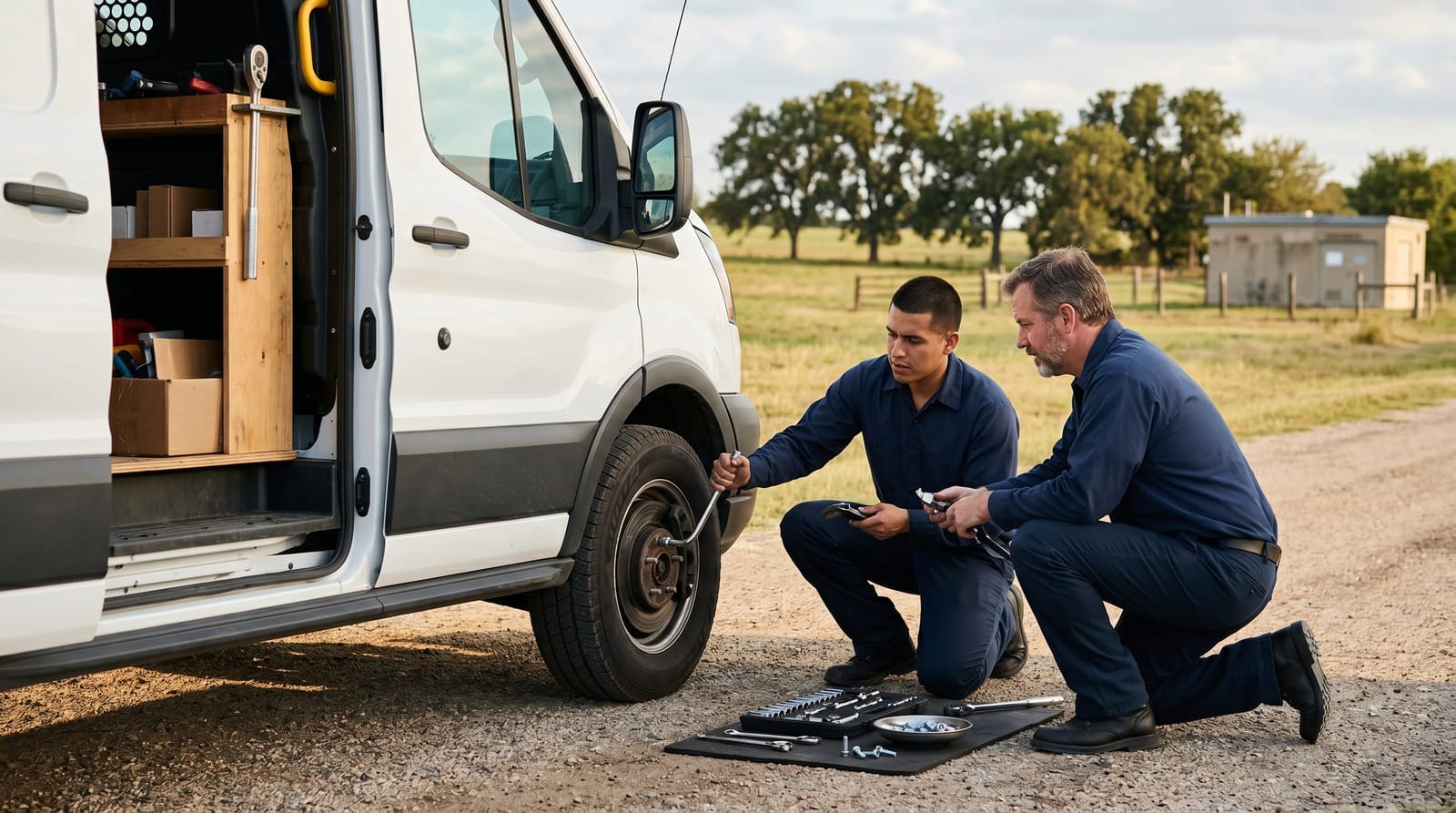
- Pull over and turn off the engine. Once you are safely off the road, a parking lot, a side street, or the shoulder, shut the engine off. Continuing to drive with low oil pressure risks accelerating wear on internal engine parts.
- Wait a few minutes, then check your oil level. After the engine cools slightly (about 5 minutes), use the dipstick to check your oil level. If it's low, adding oil may help, but do not restart the engine and drive as though everything is solved. The underlying cause still needs to be identified.
- Call for help. If you're unsure what you're looking at, or if the oil level appears normal but the light is still on, this is the time to contact a repair shop or roadside assistance. Driving on with an unresolved oil pressure issue is not worth the risk.
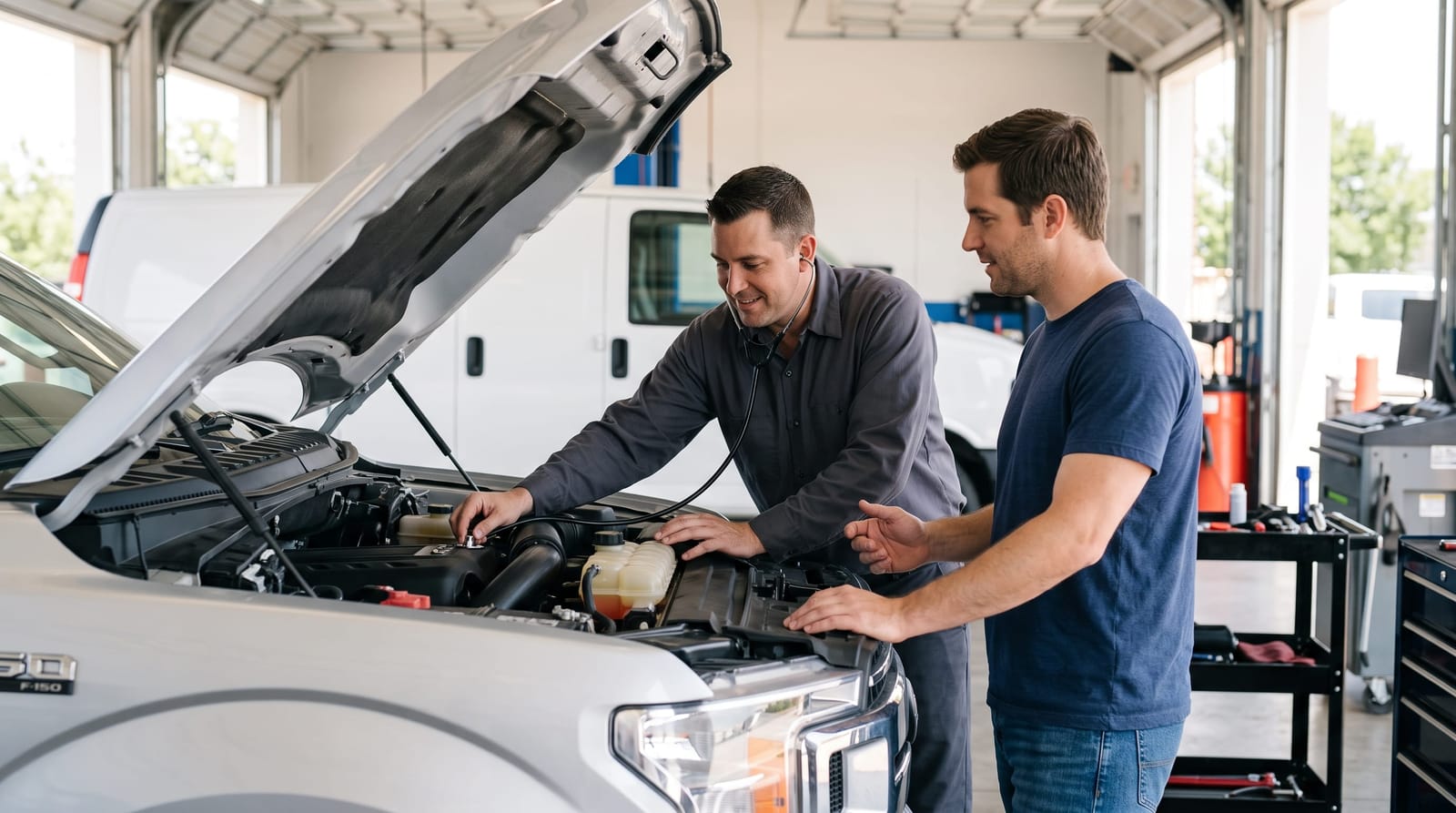
- Have the vehicle inspected before driving it further. Even if the light goes off after adding oil, the reason the level dropped in the first place should be diagnosed by a professional.
Many drivers in Crandall and surrounding areas have found themselves in exactly this situation on routes like US-175 or FM 148. The key takeaway is that a couple of minutes of caution now is far better than a much more involved repair later.
Common Causes of Low Oil Pressure
Understanding why this light comes on helps you make more informed decisions. Here are the most common culprits:
- Low oil level: This is the simplest cause. Oil burns off slowly over time, and if your vehicle is overdue for an oil change or has a small leak, the level may drop enough to affect pressure. Engines can consume as much as 1 quart of oil per 1,000 miles in older or high-mileage vehicles, so staying on top of oil changes matters.
- Oil leak: A leak around gaskets, seals, or even the oil pressure sensor itself can cause oil to escape faster than normal. A real-world example: a local Crandall vehicle inspection found a faulty oil pressure sensor with a leak around it that allowed oil to drain out, triggering the warning light.
- Faulty oil pressure sensor: Sometimes the light is triggered by a malfunctioning sensor rather than an actual pressure problem. The sensor sends an inaccurate reading, causing the warning to appear even when oil levels and pressure are fine. This doesn't mean you should ignore the light: it still needs to be diagnosed.
- Worn oil pump: The oil pump is responsible for pushing oil through the engine. If it's worn or failing, it may not generate enough pressure regardless of oil level.
- Thick or dirty oil: Oil that hasn't been changed in a long time becomes thick and sludgy, making it harder to circulate efficiently. Experts generally recommend oil changes every 3,000 to 7,500 miles depending on oil type and driving conditions.
- Worn engine bearings: In higher-mileage engines, internal bearings can wear down, creating larger gaps that reduce the pressure the oil system can maintain.
Why Acting Fast Protects Your Engine
Without adequate oil pressure, metal components inside the engine begin to make direct contact with each other instead of gliding on a protective film of oil. Within as little as 30 seconds of running an engine with severely low oil pressure, measurable damage to internal components can begin. Over a few minutes, that damage compounds significantly.
This doesn't mean your engine will fail the instant the light turns on: it means that continued driving while the warning is active is a gamble with increasingly poor odds the longer it goes on. The cost difference between diagnosing an oil pressure issue early versus repairing or replacing an engine that's been run dry is significant. Catching it at the sensor or oil change stage is far more manageable than addressing internal engine damage.
If you've noticed other symptoms alongside the warning light, a ticking or knocking noise, a burning smell, or the engine running roughly, those are additional signals worth mentioning to your mechanic right away. You might also be dealing with multiple dashboard alerts at once; for instance, ABS warning light driving safety Terrell TX covers what it means when multiple systems flag issues simultaneously.
Frequently Asked Questions
Can I drive to the repair shop if my oil pressure light is on?
In most cases, it's best not to drive the vehicle to the shop under its own power. The safest approach is to pull over, shut the engine off, and arrange for a tow. If you check the oil and it's low, you may be able to add oil and drive a very short distance to a nearby shop, but only if the light goes off after adding oil and you're confident the cause is simply a low level rather than a leak or sensor failure. When in doubt, call the shop and ask for guidance specific to your situation.
What does it mean if the oil pressure light flickers on and off?
An intermittent oil pressure light, one that comes on, goes off, and comes back, often points to a borderline oil level, a partially failing oil pressure sensor, or an oil pump that's beginning to lose efficiency. It's easy to dismiss a flickering light as a glitch, but it's worth having it checked soon. Intermittent signals can become steady ones quickly, and identifying the cause early gives you more options.
Is the oil pressure light the same as the oil change reminder light?
No, these are two different indicators. The oil change reminder is a scheduled maintenance alert based on mileage or time intervals. The oil pressure warning light is a real-time alert about a condition currently affecting the engine. Many drivers confuse the two, which is why it's helpful to know what each light looks like in your specific vehicle: your owner's manual is the best reference for that.
How much does it cost to diagnose an oil pressure issue?
Diagnosis costs vary depending on the shop and the complexity of the issue. A simple inspection to check oil level and assess for visible leaks is typically straightforward. Replacing an oil pressure sensor is generally one of the more affordable fixes. More involved repairs, like addressing an oil pump or internal engine components, will be more significant. The best first step is to have the vehicle diagnosed so you know exactly what you're dealing with before making any decisions.
Bottom Line for Crandall TX Drivers
The oil pressure warning light in Crandall TX is one dashboard signal that simply shouldn't wait. Pull over safely, check your oil, and get the vehicle inspected before driving further. Whether the cause turns out to be a low oil level, a faulty sensor, or something more involved, knowing what's happening is always better than guessing. This kind of symptom-based awareness is a core part of taking care of your vehicle, and it connects directly to the bigger picture of understanding your car's warning signals before they turn into larger repairs. If your oil pressure light is on, the team at Gregg Automotive is here to help you get answers quickly and honestly.