What Are the Signs Your Brake Pads Need Replacement?
Your brakes are one of the most important safety systems on your vehicle, and your brake pads are at the heart of how they work. When pads start to wear down, your car usually gives you several clear signals: you just need to know what to look and listen for. Understanding the common brake pad warning signs can help you catch a problem early, avoid more expensive repairs down the road, and keep everyone in your vehicle safe. Here's a straightforward guide to help you recognize when it's time to have your brake pads checked.
1. Squeaking or Squealing Noises When You Brake
One of the earliest and most recognizable brake pad warning signs is a high-pitched squeaking or squealing sound when you press the brake pedal. This isn't random: it's intentional. Most brake pads are manufactured with a small metal indicator tab built into them specifically designed to make this noise when the pad material wears down to a certain point.
Think of it as your vehicle's built-in reminder system. When you hear that squeal consistently as you slow down, it typically means your pads are getting thin and are approaching the end of their useful life. It's worth noting that some light squeaking can happen first thing in the morning, especially after rain or overnight moisture: that's usually surface rust on the rotors burning off and isn't a concern. But if the noise happens every time you brake, or if it's getting louder over time, that's a clear signal to have your brakes inspected.
If you're also noticing squealing on a consistent basis, our detailed breakdown of why brakes squeal when stopping covers more about what causes that sound and when it becomes a real concern.
2. Grinding Sounds That Signal Serious Wear
If squeaking is your early warning, grinding is the urgent alarm. A grinding or growling sound when you brake usually means the brake pad material has worn away almost completely, and now the metal backing plate of the pad is making direct contact with your brake rotor.
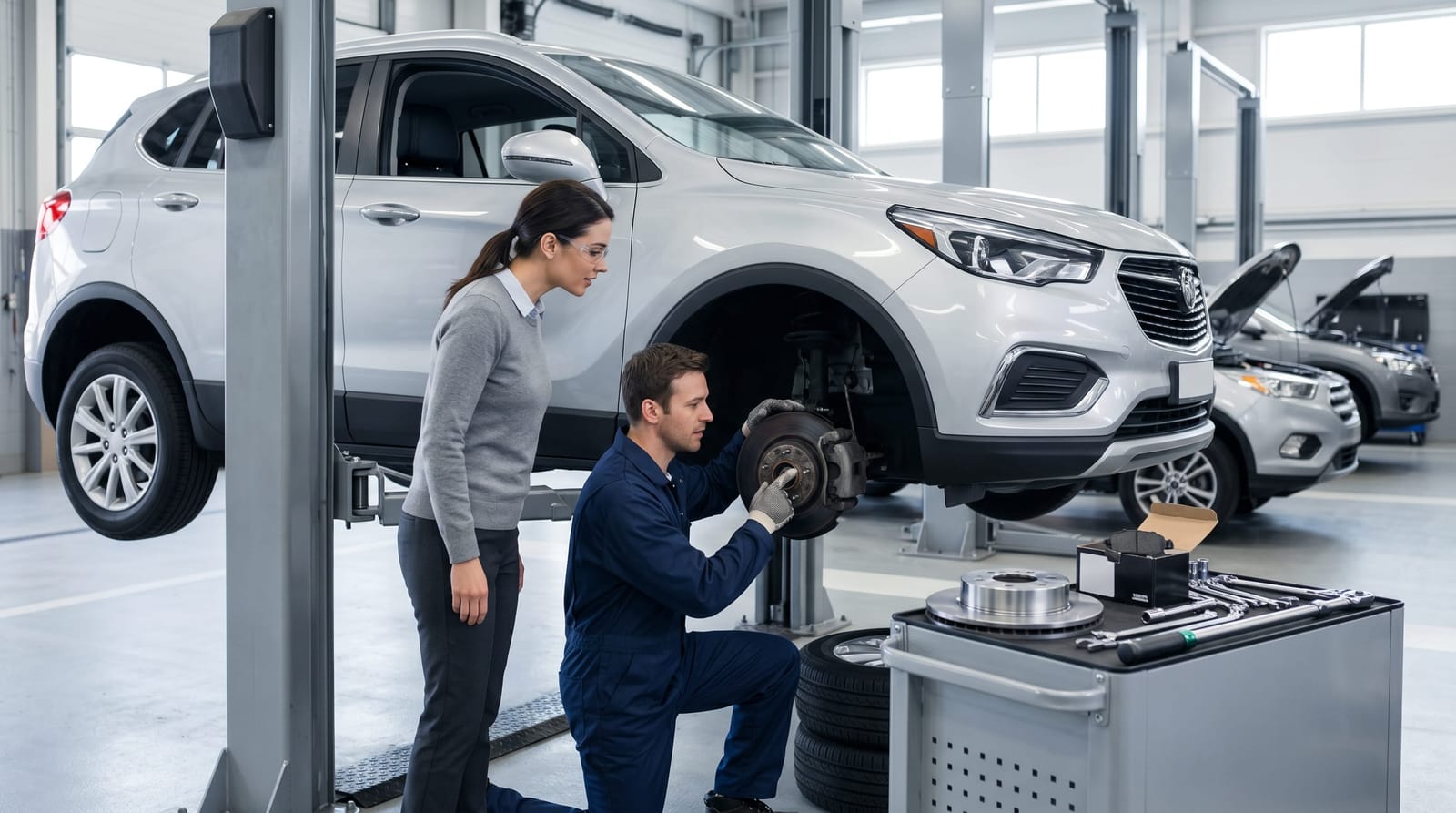
This is one of the most serious brake pad warning signs because metal-on-metal contact doesn't just mean your stopping power is reduced: it also means your rotors are likely being damaged with every stop you make. Rotors are significantly more expensive to replace than brake pads, so catching wear before it reaches this stage can save you a meaningful amount of money.
Common grinding scenarios to watch for include:
- A consistent grinding noise every time you apply the brakes
- Grinding that gets worse the harder you press the pedal
- A rough or vibrating feeling in the brake pedal that accompanies the sound
- Grinding on one side only, which may suggest uneven pad wear
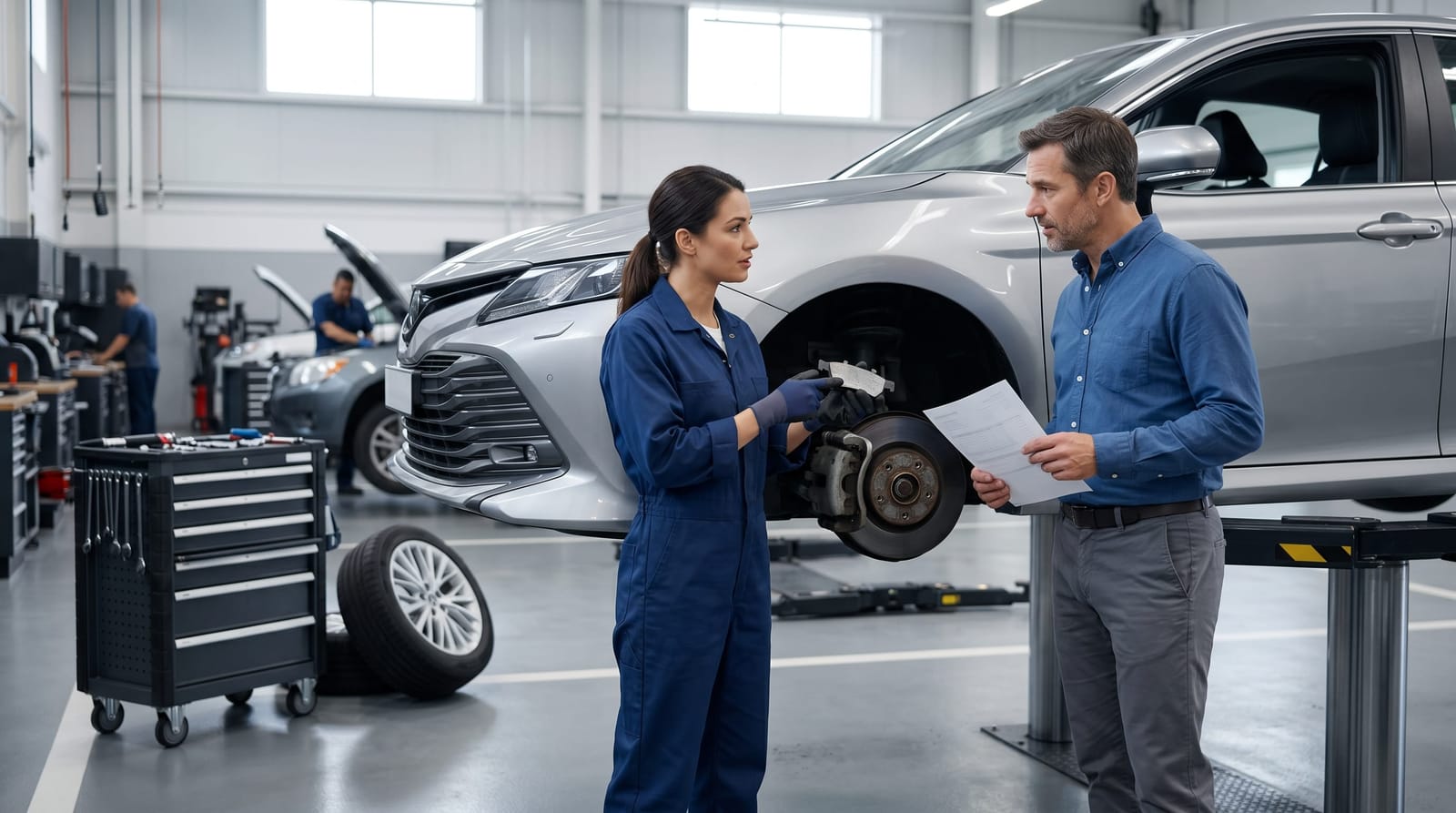
If you're experiencing any of these, it's a good idea to have your vehicle looked at promptly. Understanding brake pad replacement cost in Forney can also help you go into a repair conversation with realistic expectations about what the service involves.
3. Visual Brake Pad Warning Signs You Can Check Yourself
You don't always need to wait for a noise to recognize worn brake pads. In many cases, you can do a quick visual check yourself without any special tools. Here's how to do a basic inspection:
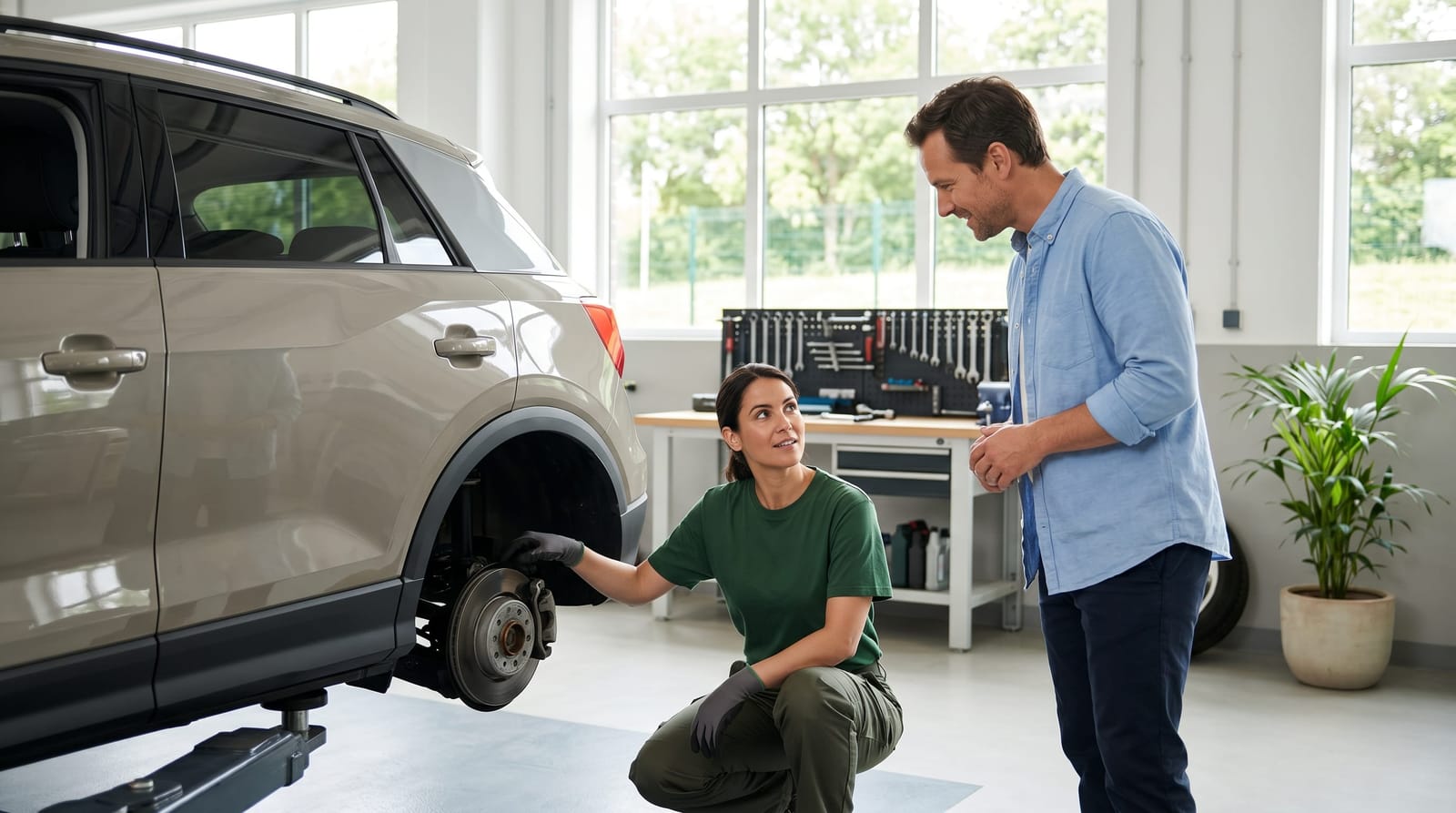
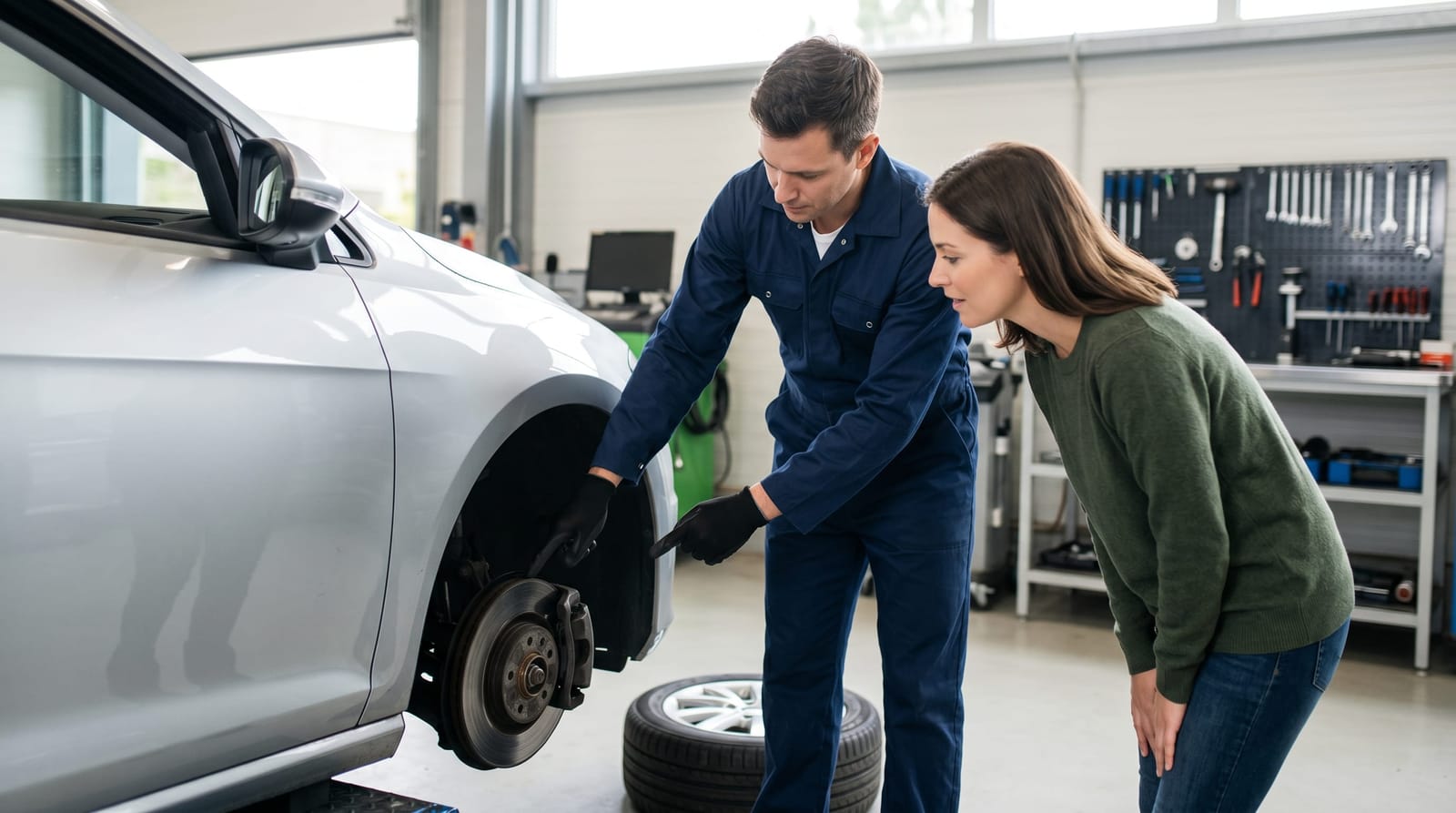
- Look through the wheel spokes. On most vehicles, you can see the brake caliper and rotor through the openings in your wheel. The brake pad sits between the caliper and rotor.
- Check the pad thickness. A healthy brake pad is generally at least a quarter inch thick. If the pad looks very thin, closer to an eighth of an inch or less, it's likely time for replacement.
- Look for uneven wear. If one pad looks significantly thinner than the others, or if the inner pad is much more worn than the outer one, that can point to a sticking caliper or another issue worth having checked.
- Check for scoring on the rotor. Deep grooves or heavy scoring on the rotor surface is another sign that pads have worn down too far and damage has already begun.
Doing this kind of visual check once every few months, or whenever you rotate your tires, is a simple habit that can help you stay ahead of brake pad warning signs before they become bigger problems.
4. Performance Changes You'll Feel While Driving
Beyond sounds and visuals, worn brake pads often change how your vehicle feels when you stop. These performance-based brake pad warning signs are important to pay attention to because they directly affect your ability to stop safely.
Here are the most common changes drivers notice:
- Longer stopping distances. If your car takes noticeably more distance to come to a full stop than it used to, reduced pad material is often the reason.
- A soft or spongy brake pedal. While this can also be related to brake fluid issues, a pedal that sinks further than usual before the brakes engage can sometimes indicate pad wear or air in the brake lines.
- Pulling to one side when braking. If your vehicle drifts left or right when you press the brake pedal, one side may be wearing faster than the other.
- Vibration or pulsing through the pedal. A pulsing sensation often means the rotor surface has become uneven, which is frequently the result of pads wearing down unevenly over time.
These changes can be subtle at first, which is why it's helpful to stay familiar with how your vehicle normally handles so you can recognize when something feels off.
5. Your Dashboard Warning Light
Many modern vehicles are equipped with a brake pad wear sensor that triggers a dashboard warning light when pads get too thin. This light typically looks like a circle inside dotted brackets, similar to a steering wheel symbol, and may display the word "BRAKE" or an exclamation point.
This is one of the most direct brake pad warning signs your vehicle can give you. If this light comes on, it's a reliable indicator that the sensor has detected low pad thickness and your pads should be inspected and likely replaced soon. It's worth noting that once this sensor triggers, it's often damaged in the process and may need to be replaced along with the pads.
Don't ignore a brake warning light, even if everything feels normal when you drive. The sensor is there precisely because wear can sometimes be gradual enough that you don't notice it until the pads are critically low.
Frequently Asked Questions
How long do brake pads typically last?
Brake pad lifespan varies depending on your driving habits, vehicle type, and the quality of the pads. In general, most brake pads last between 30,000 and 70,000 miles. City driving with frequent stopping tends to wear pads faster than highway driving. Having your brakes inspected during routine service is the best way to stay on top of where your pads are in their lifespan.
Can I drive with worn brake pads for a little while?
If you're hearing squealing, it's best to get your brakes inspected within the next week or two. If you're hearing grinding, that's a more urgent situation and driving should be minimized until the pads are replaced. Continuing to drive on metal-on-metal contact risks damaging your rotors, which increases the cost of the repair significantly.
Do all four brake pads wear at the same rate?
Not always. Front brake pads typically wear faster than rear pads because the front brakes handle more of the braking force. It's also possible for pads on one side of the vehicle to wear faster than the other due to a sticking caliper or other issue. This is one reason why a visual inspection of all four corners is helpful.
What's the difference between a brake warning light and a low brake fluid light?
Both can look similar, but they indicate different things. A low brake fluid warning is often just an exclamation point inside a circle, while a brake pad wear indicator usually features dotted lines around the circle to represent the pad and rotor. Your owner's manual is the best resource for identifying exactly what each warning light in your specific vehicle means.
Staying Ahead of Brake Pad Wear
Recognizing the brake pad warning signs, squealing, grinding, visual thinning, performance changes, and dashboard alerts, is the first step toward keeping your vehicle safe and avoiding larger repair costs. Brake maintenance is one of those areas where catching a problem early really does make a difference. If anything in this guide sounds familiar with what you're experiencing, it's worth having your brakes looked at by a trusted shop. At Gregg Automotive in Forney, TX, we're happy to give your brakes an honest inspection and walk you through exactly what we find.