What Should I Expect During a Vehicle Inspection?
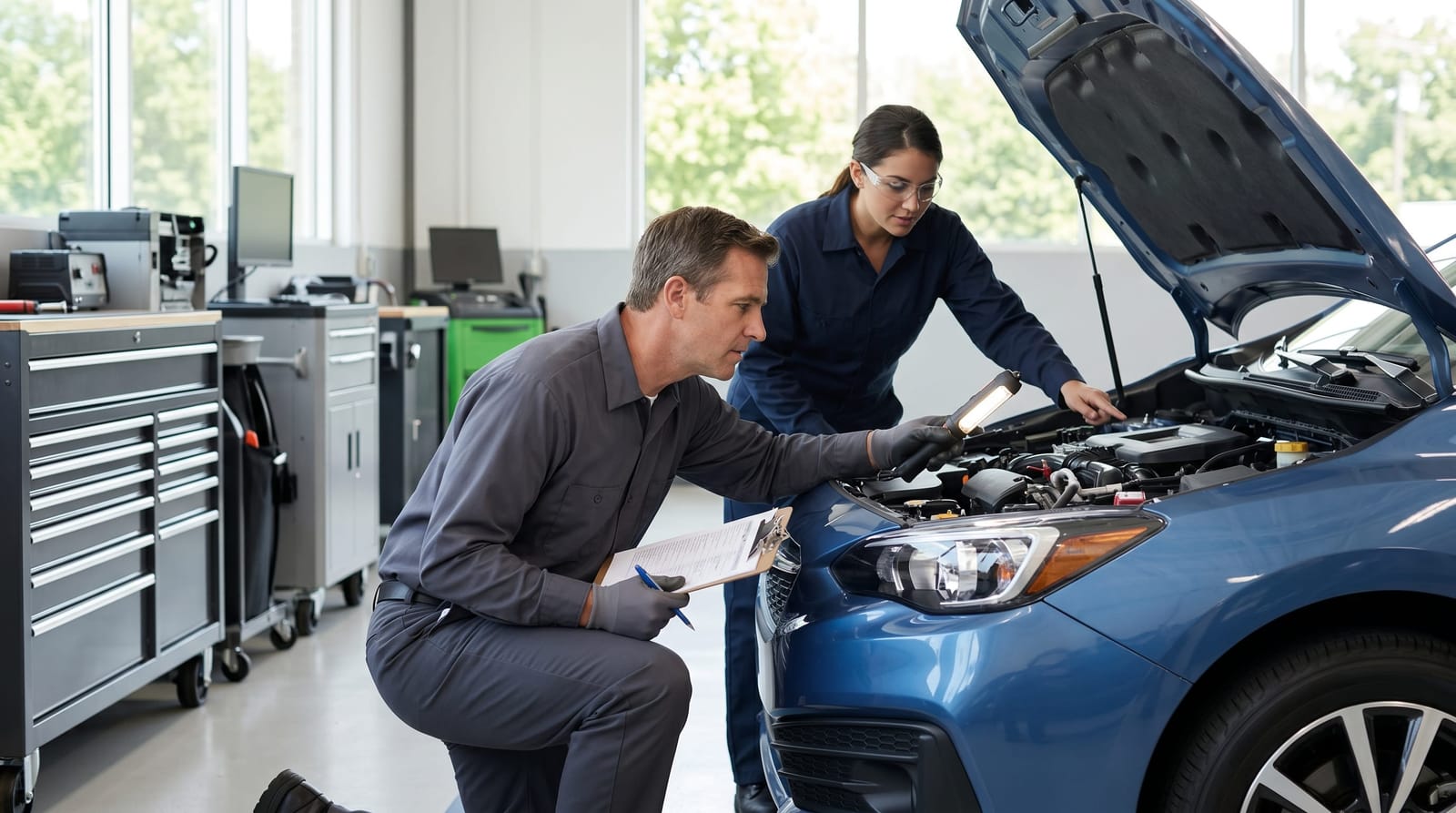
If you've never had a formal vehicle inspection done, or it's been a while, it's completely reasonable to wonder what actually happens during the process. A vehicle inspection is one of the most useful services you can get, not just for passing state requirements, but for understanding the true condition of your car. Knowing what technicians look at, and why, helps you feel confident walking in and walking out. Here's a straightforward breakdown of what a thorough vehicle inspection process checklist covers and what it means for your car.
Why Vehicle Inspections Matter More Than Most People Realize
Most drivers don't think much about a vehicle inspection until they need one: either for a registration renewal or because something feels off. But routine inspections are actually one of the most cost-effective things you can do for your vehicle. According to the Car Care Council, vehicle owners who follow a regular maintenance and inspection schedule spend significantly less on unexpected repairs over the life of their vehicle compared to those who only address problems after they appear.
A thorough inspection does more than check whether your lights work. It gives a trained technician the opportunity to identify worn components, developing issues, and safety concerns before they become bigger problems. Think of it like a health checkup: your doctor isn't just looking for emergencies; they're looking at the full picture of your health so they can give you accurate guidance. A vehicle inspection works the same way.
At Gregg Automotive, inspections are part of how we help Kaufman County drivers stay ahead of maintenance rather than scrambling to react to breakdowns. Whether you're in for an oil change or a specific concern, a multi-point inspection gives both you and our technicians a clear picture of where your vehicle stands.
The Exterior and Safety Systems Check
A vehicle inspection process checklist always starts with the basics: the things that affect safety and visibility on the road. During the exterior portion of the inspection, a technician will walk around your vehicle and check several key areas.
Lighting is one of the first things reviewed. This includes headlights, taillights, brake lights, turn signals, and hazard lights. Studies from the National Highway Traffic Safety Administration (NHTSA) show that lighting failures are a contributing factor in thousands of accidents each year, many of which are entirely preventable with simple bulb replacements.
Tires are also carefully examined during this phase. Technicians check:
- Tread depth (the legal minimum in Texas is 2/32 of an inch, but 4/32 or more is recommended for safe performance)
- Uneven wear patterns that can indicate alignment or suspension issues
- Sidewall condition for cracks, bulges, or damage
- Tire pressure, which affects both safety and fuel efficiency
Windshield wipers, glass condition, mirrors, and door functionality are also part of the exterior review. Small issues here are easy to fix and can make a meaningful difference in driver visibility and vehicle safety.
Under the Hood: Fluid Levels, Belts, and Key Components
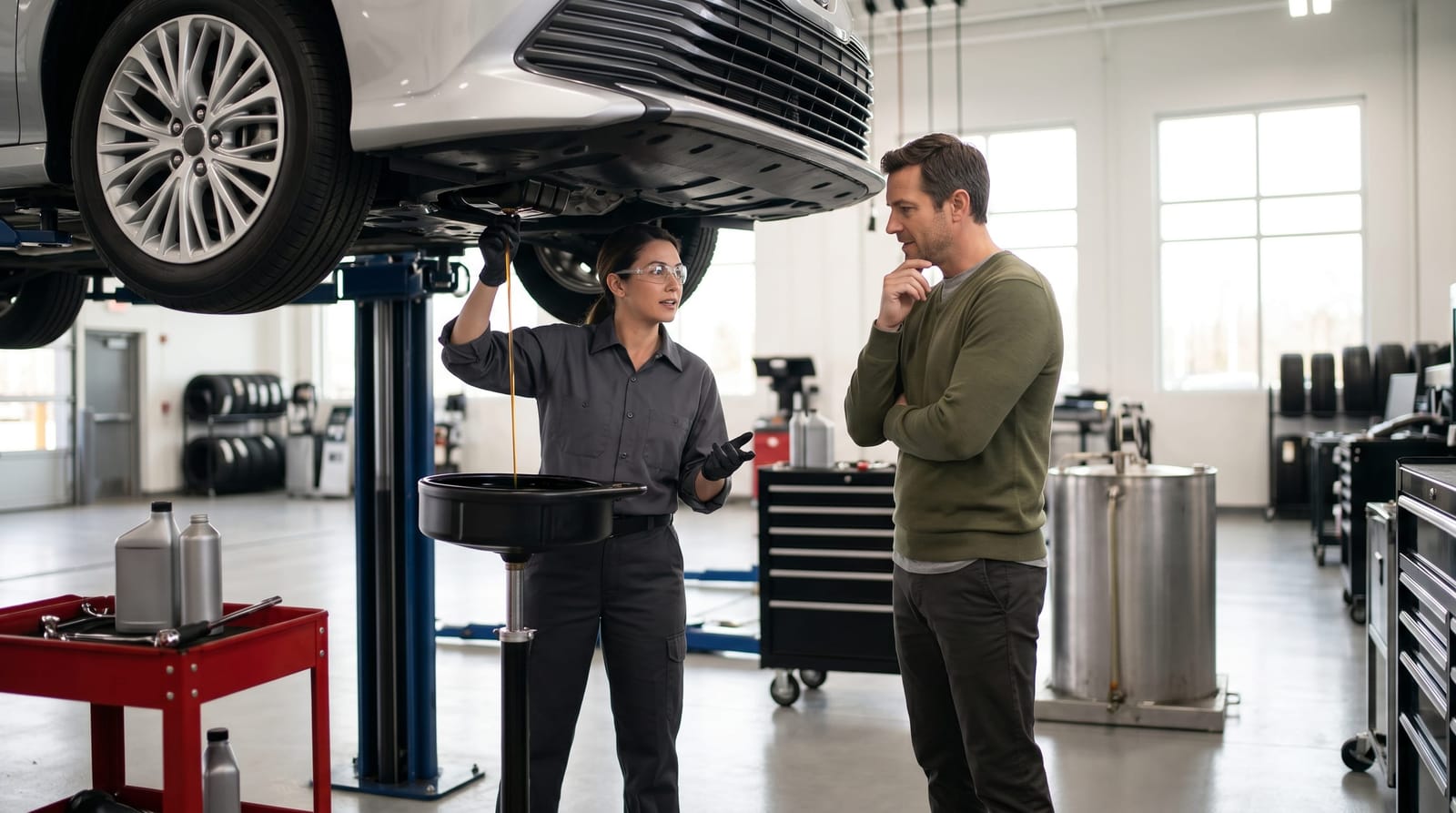
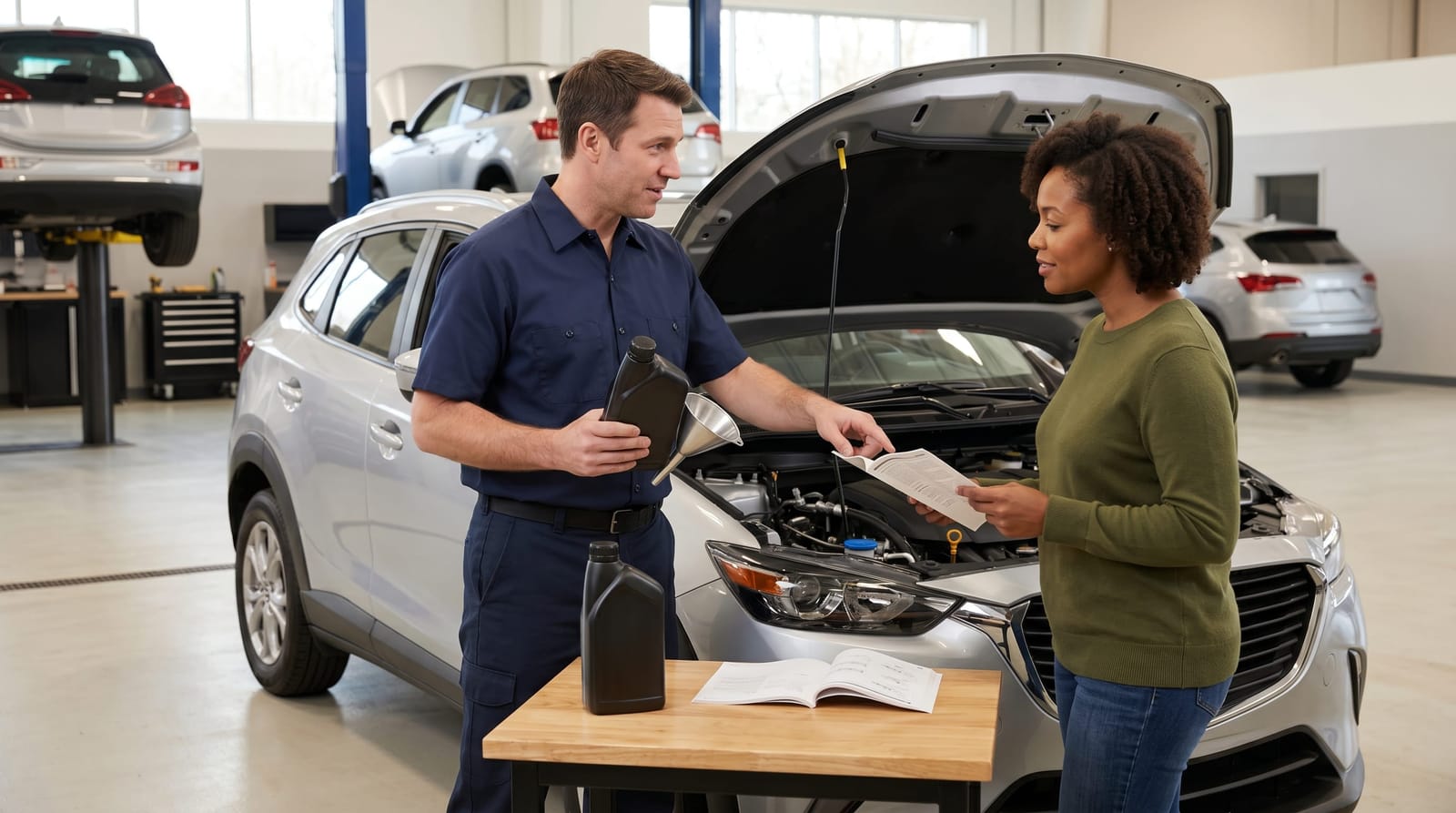
The under-hood portion of the inspection is where technicians spend a significant amount of time, and for good reason. Your engine bay contains dozens of systems that work together, and many of them rely on fluid condition and component integrity to function properly.
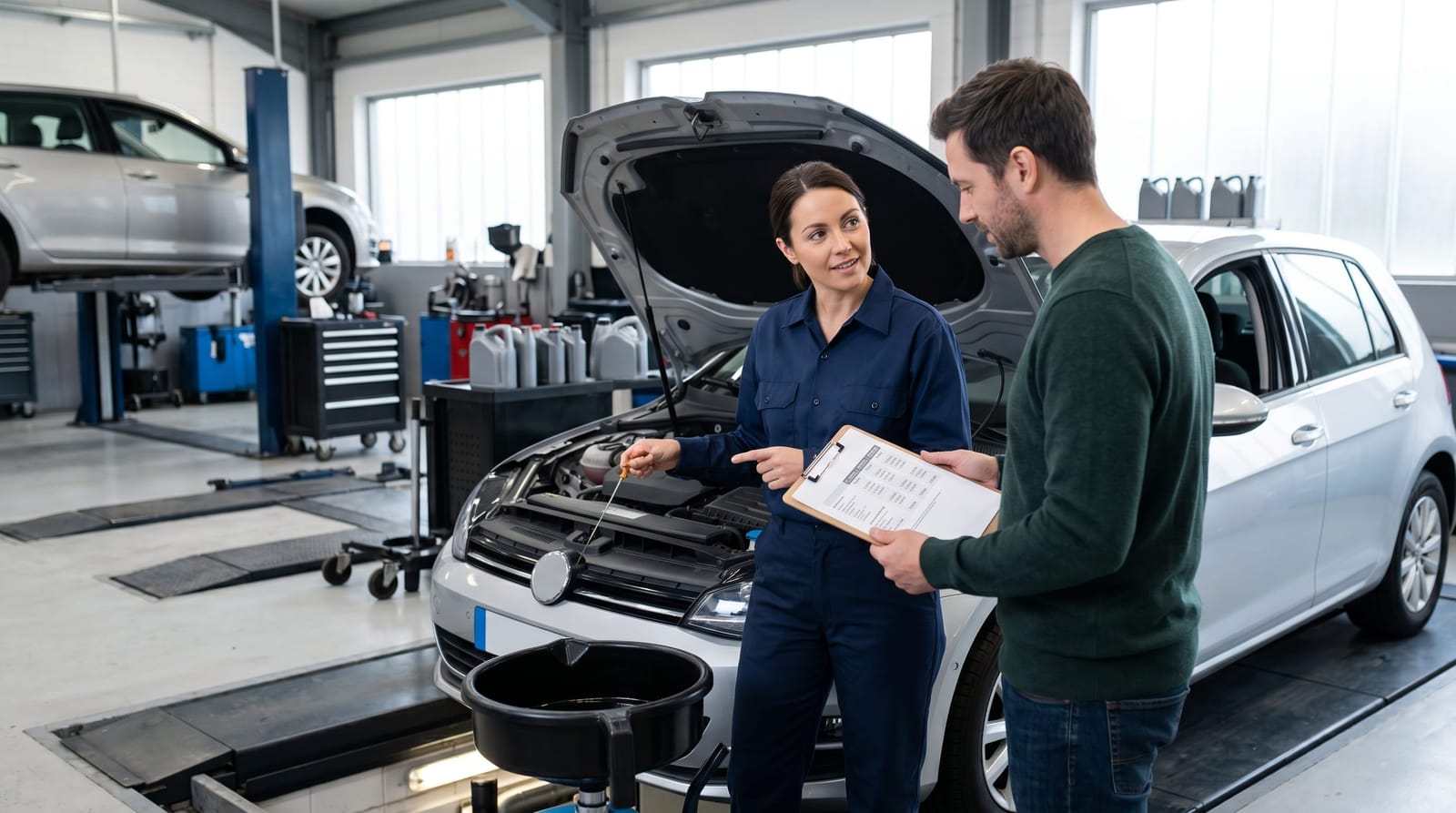
During this part of the vehicle inspection process checklist, a technician will typically check:
- Engine oil: Level and condition: dark, gritty oil signals it's time for a change
- Coolant/antifreeze: Level and freeze protection rating
- Brake fluid: Level and any signs of moisture contamination
- Power steering fluid: Level and condition (on vehicles without electric power steering)
- Transmission fluid: Level and color
- Windshield washer fluid: Level check
- Battery: Terminal condition, voltage output, and signs of corrosion
- Belts and hoses: Visual inspection for cracks, fraying, or softness
- Air filter: Condition and whether it needs replacement
A single neglected fluid can have a cascading effect on vehicle performance. For example, low coolant doesn't just risk overheating: it can damage the water pump, thermostat, and in severe cases, cause head gasket failure. Catching a low coolant level during a routine inspection is a five-dollar fix compared to what it becomes if ignored.
Brakes, Suspension, and the Undercarriage
Once the visible systems are checked, a thorough inspection moves underneath the vehicle. This is where brakes, suspension, and steering components are evaluated, all of which have a direct impact on your ability to control your car safely.
Brake System Inspection
Brake pads are measured for remaining thickness. Most manufacturers recommend replacing pads when they reach 3mm or less, though warning signs can appear before that. Rotors are examined for grooving, warping, and adequate thickness. Brake lines and hoses are checked for leaks or wear, and caliper function is reviewed.
Suspension and Steering Components
Technicians look for worn ball joints, tie rod ends, control arm bushings, and shock absorbers. These components affect how your vehicle handles, how evenly your tires wear, and how well your car responds when you need to swerve or brake quickly. Worn shocks, for example, can increase stopping distance by as much as 20% according to industry research: a fact that often surprises drivers who assume suspension is only about ride comfort.
Exhaust System Check
The exhaust system is visually inspected for rust, holes, loose hangers, and any signs of leaks. An exhaust leak isn't just an emissions concern: it can allow carbon monoxide to enter the cabin, which is a serious safety issue.
The Road Test: Real-World Performance Evaluation
A complete vehicle inspection process checklist includes more than what can be seen in a bay. A short road test allows the technician to evaluate how the vehicle actually performs under real driving conditions. During a road test, the technician is paying attention to:
- How smoothly the engine starts and idles
- Transmission shift quality and response
- Brake feel and stopping distance
- Steering responsiveness and any pulling to one side
- Unusual noises, vibrations, or smells while driving
- Air conditioning and heating function
This step matters because some issues only show up once the vehicle is moving and warmed up. A vibration at highway speeds or a clunk going over bumps won't always reveal itself in a stationary inspection. The road test closes that gap.
If you're curious about how often you should get your car inspected based on your driving habits and vehicle age, that's a great follow-up question: the answer varies more than most people expect.
What Happens After the Inspection?
After the inspection is complete, a good shop will walk you through what was found: clearly and without pressure. At Gregg Automotive, we explain findings in plain language, separate what needs immediate attention from what can be monitored over time, and give you the information you need to make your own decisions. You'll never feel rushed or confused about what we found or why it matters.
If everything checks out, you leave with peace of mind. If there are concerns, you'll have a specific list with honest context. That transparency is something every driver deserves.
Frequently Asked Questions
How long does a vehicle inspection take?
A comprehensive multi-point inspection typically takes between 30 and 60 minutes, depending on the vehicle and how many systems are being reviewed. If a road test is included, add another 10 to 15 minutes. Some shops complete shorter courtesy inspections during oil changes in 15 to 20 minutes, covering the most critical systems.
Is a vehicle inspection the same as a state safety inspection in Texas?
Not exactly. A Texas state vehicle inspection is a standardized pass/fail check required for registration renewal and covers specific safety and emissions criteria. A multi-point vehicle inspection at a repair shop is more comprehensive: it examines wear levels, fluid conditions, and developing issues that a state inspection isn't designed to catch. Both serve different purposes, and many drivers benefit from having both done regularly.
Will I be pressured to fix everything found during an inspection?
At a trustworthy shop, no. A professional technician's job is to tell you what they found, not to sell you every repair on the spot. Some findings are urgent safety concerns, while others are routine maintenance items you can plan for over the next few months. A good shop helps you prioritize, not panic.
Should I get an inspection if I just bought a used vehicle?
Absolutely. A pre-ownership or post-purchase inspection is one of the smartest investments a used vehicle buyer can make. Even vehicles that appear to be in good shape can have hidden issues with brakes, suspension, or fluid systems. Getting a full inspection shortly after purchase gives you a reliable baseline and prevents surprises down the road.
The Bottom Line
A thorough vehicle inspection process checklist covers everything from your tire tread depth to your brake pad thickness to how your car actually feels on the road. It's not about finding problems to fix: it's about giving you an honest picture of your vehicle's condition so you can make smart decisions. As part of an overall approach to car maintenance service in Kaufman County, routine inspections are one of the best ways to protect your vehicle, your budget, and everyone in your car. If it's been a while since your last full inspection, it's worth scheduling one soon.