What's Included in a 30,000 Mile Service?
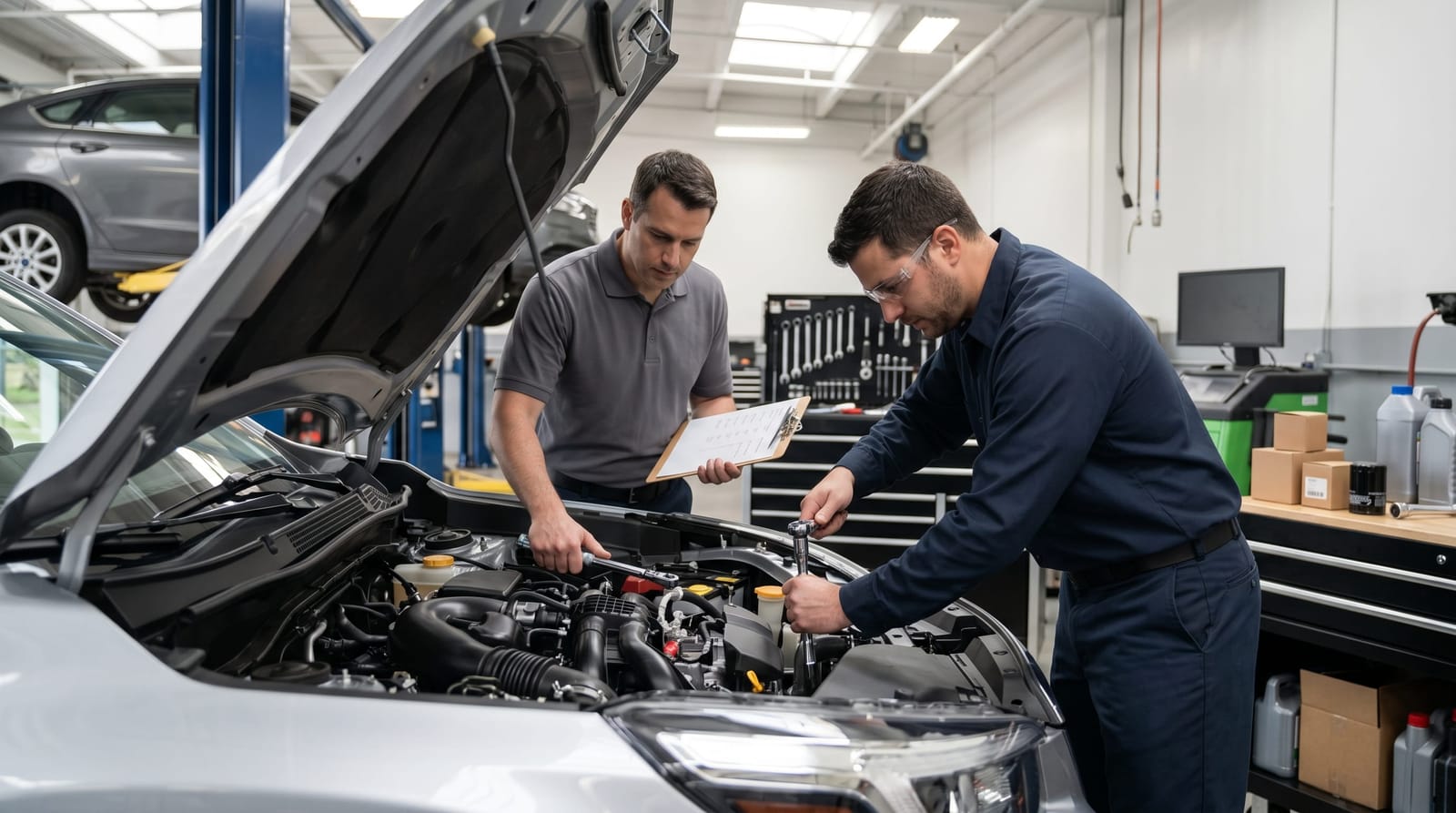
If your vehicle is approaching 30,000 miles, you've probably heard that it's time for a significant service appointment. But what does that actually mean, and what should you expect? The 30,000 mile service is one of the most important scheduled maintenance intervals for any vehicle: it goes well beyond a routine oil change and covers several systems that keep your car running safely and reliably. This guide breaks down exactly what's included, why each item matters, and what you can reasonably expect to pay.
What Is the 30,000 Mile Service and Why Does It Matter?
Most automakers build scheduled maintenance intervals into their vehicles at every 30,000 miles: sometimes called major service intervals. The 30,000 mile mark is the first of these significant checkpoints, and it's designed to catch wear and tear that builds up over time before it leads to bigger problems.
Think of it this way: your first 30,000 miles include thousands of cold starts, stop-and-go traffic, highway miles, and seasonal temperature changes. All of that adds up. Fluids degrade, filters collect debris, and components that were brand new start showing normal signs of wear. This service is designed to reset the clock on many of those items.
A thorough 30000 mile service checklist typically addresses engine health, fluid condition, brake safety, tire wear, and several filters, all in one comprehensive visit. Staying on top of this interval helps you avoid the kind of deferred maintenance that turns small, inexpensive fixes into larger repair bills down the road.
The Core 30,000 Mile Service Checklist
While the exact list can vary by vehicle make, model, and how the car has been driven, most 30,000 mile service appointments will cover the following:
Engine and Fluids
- Oil and filter change: Fresh engine oil is essential. If it hasn't been changed recently, this is always part of the service.
- Coolant level and condition: Coolant (also called antifreeze) keeps your engine from overheating. Technicians check both the level and the mixture to make sure it's still doing its job effectively.
- Transmission fluid: Checked and topped off as needed. In some vehicles, a full transmission fluid flush may be recommended at this interval depending on driving conditions.
- Brake fluid: Brake fluid absorbs moisture over time, which can reduce braking performance. This is checked and replaced if needed.
- Power steering fluid: Inspected for level and condition.
Filters
- Fuel filter: The fuel filter traps dirt and debris before it reaches your engine. At 30,000 miles, many manufacturers recommend replacing it to maintain proper fuel flow and engine efficiency.
- Air filter: A clogged air filter restricts airflow to the engine. Replacing it is inexpensive and makes a real difference in how your engine breathes.
- Cabin air filter: This filter affects the air quality inside your car. It's often overlooked but easy to replace and worth doing at this interval.
Tires and Brakes
- Tire rotation: Rotating tires helps them wear evenly across all four positions, extending their overall life.
- Wheel alignment check: Misaligned wheels cause uneven tire wear and can affect how your car handles. An alignment inspection at 30,000 miles is standard practice.
- Brake inspection: Technicians measure brake pad thickness and inspect rotors, brake lines, and calipers to make sure everything is working as it should.
Belts and Hoses
- Serpentine belt: This belt powers several components including the alternator, power steering pump, and air conditioning. It's inspected for cracking or wear.
- Coolant hoses: Checked for soft spots, cracks, or leaks that could lead to overheating.
General Safety Inspection
- Battery condition and terminals
- Exterior and interior lights
- Wiper blade condition
- Suspension and steering components
What Does a 30,000 Mile Service Cost?
The cost of a 30,000 mile service can vary depending on your vehicle type, what fluids and filters your car specifically requires, and where you have the work done. At a dealership, this service can easily run between $300 and $600 or more, and that's before any additional repairs that come up during the inspection.
At an independent shop like Gregg Automotive, you can typically expect the same quality of work at a more straightforward price point. Independent shops use quality parts that meet or exceed manufacturer specifications, and they don't carry the dealership overhead that gets passed on to customers.
If you're trying to plan ahead financially, our guide on how much scheduled maintenance costs breaks down typical service pricing so you know what to expect before your appointment.
It's worth noting that skipping this service often costs more in the long run. A fuel filter replacement at 30,000 miles is a modest expense. Ignoring it until it restricts fuel flow and causes a performance issue is a much bigger one. This service is genuinely an investment in your car's longevity.
Dealership vs. Independent Shop: What's the Real Difference?
Many vehicle owners assume they have to go back to the dealership for scheduled maintenance to keep their warranty valid. That's actually a common misconception. Under the Magnuson-Moss Warranty Act, you are not required to use a dealership for routine maintenance in order to maintain your manufacturer's warranty. You do need to follow the maintenance schedule and keep records, which any reputable shop will provide.
Dealerships do have manufacturer-specific training and tools, which matters for complex repairs. But for a 30,000 mile service, a qualified independent shop has everything needed to do the job correctly. The difference you'll usually notice is the bill at the end.
At Gregg Automotive, we follow manufacturer-recommended service intervals and use quality parts appropriate for your specific vehicle. We also take the time to explain what we found and what we recommend, without pressure to approve services you don't need.
Tips for Getting the Most Out of Your 30,000 Mile Service
A few simple steps can help make your service appointment go smoothly and ensure nothing gets missed:
- Bring your owner's manual: Your manual includes the manufacturer's recommended maintenance schedule for your specific vehicle. This helps your technician confirm exactly what your car needs at this interval.
- Note any concerns beforehand, If you've noticed anything unusual, a noise, a vibration, a warning light, mention it at drop-off. The 30,000 mile inspection is a great opportunity to address multiple items at once.
- Keep your service records: Ask for a printed or digital copy of everything performed. This protects your warranty and adds value when you eventually sell the vehicle.
- Don't wait until you're past due: The 30,000 mile interval is a guideline. If you're at 28,000 or 32,000, schedule the service. Waiting much longer means some items are genuinely overdue.
Frequently Asked Questions
Is a 30,000 mile service really necessary?
Yes. It's one of the most important scheduled maintenance intervals your vehicle has. It covers several items that don't get addressed at routine oil changes, including filters, fluid condition, brake inspection, and belt checks. Skipping it can lead to degraded performance and more expensive repairs later.
How long does a 30,000 mile service take?
Most 30,000 mile service appointments take between two and three hours, depending on the vehicle and whether any additional repairs are needed based on the inspection. Calling ahead to schedule gives the shop time to plan and helps minimize your wait.
Do I have to go to the dealership for my 30,000 mile service to keep my warranty?
No. Under federal law, you are not required to use a dealership for routine maintenance in order to maintain your manufacturer's warranty. You do need to follow the recommended service schedule and keep documentation of the work performed, which any qualified shop will provide.
What happens if I skip the 30,000 mile service?
Missing this service means filters go unchanged, fluids degrade beyond their effective life, and wear items like brakes and belts don't get inspected on schedule. Over time, this increases the likelihood of component failure and generally leads to higher repair costs than the service would have cost in the first place.
Keeping Your Car on the Road for the Long Haul
The 30,000 mile service is a comprehensive checkpoint, not just a glorified oil change. When performed properly, it gives your vehicle a fresh start for the next stretch of miles and helps identify anything that needs attention before it becomes a real problem. Whether you drive a Toyota, Ford, Chevy, or something else entirely, following this interval is one of the most straightforward things you can do to protect your investment. If you're approaching 30,000 miles and want a shop that will be upfront about what your car needs, Gregg Automotive is here to help.