How Long Does Lift Kit Installation Take?
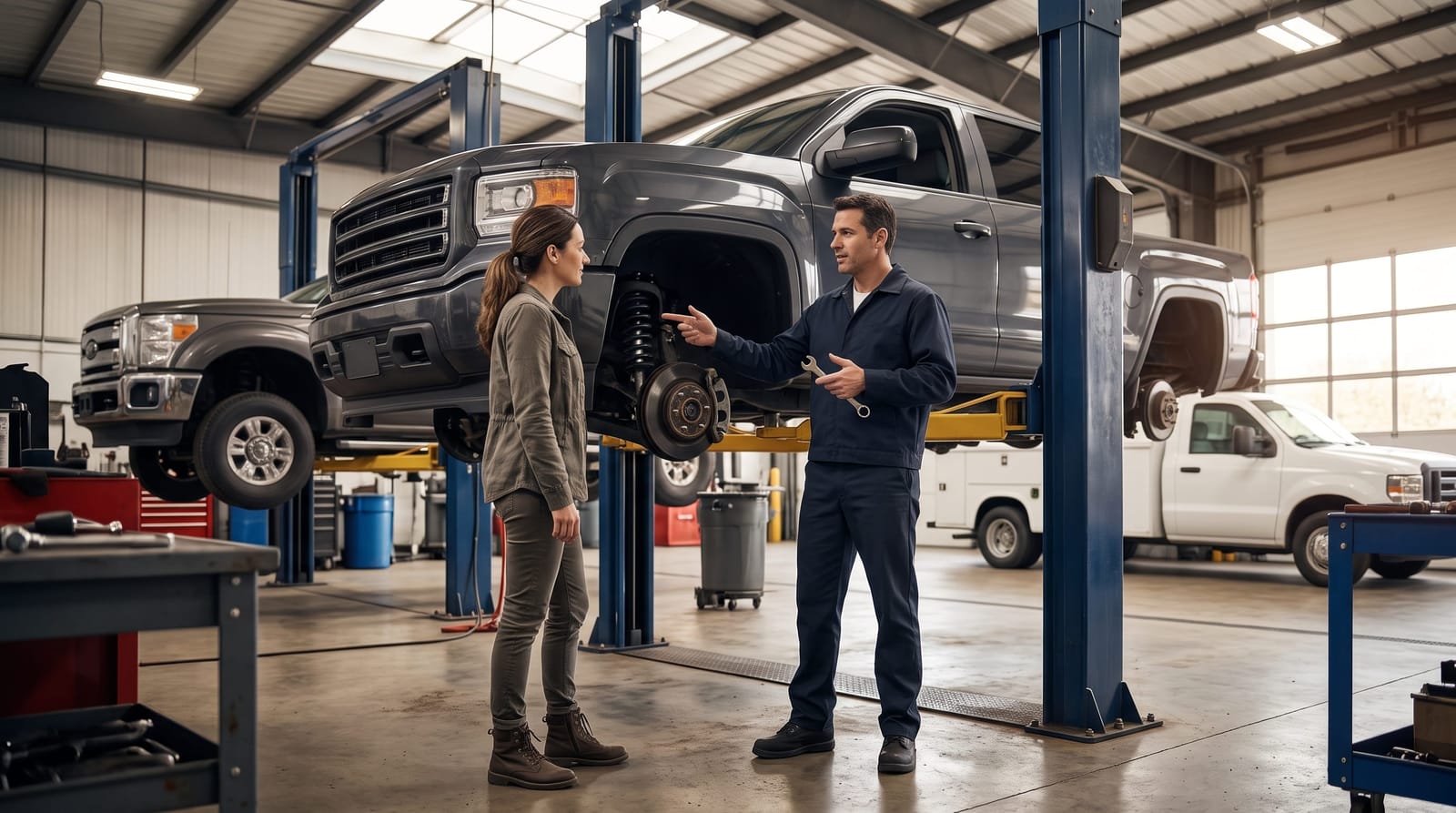
One of the most common questions we hear from truck owners planning a modification is simple: how long is this going to take? Whether you're scheduling around work, a weekend road trip, or just trying to plan your day, getting a realistic lift kit installation time estimate matters. The honest answer is that it depends on the type of lift, the size of the lift, and a few factors specific to your vehicle. This guide breaks it all down so you can plan with confidence before dropping off your truck.
Installation Time by Lift Kit Type
Not all lift kits are created equal, and installation time varies significantly depending on which type you choose. Here's a practical breakdown of what to expect for each category:
Leveling Kits
A leveling kit is the simplest modification in this category. It raises the front of the truck slightly to match the rear, usually by 1 to 2 inches. Because the scope of work is limited, typically involving just the front suspension, leveling kit installs often take between 2 and 4 hours. This is the most schedule-friendly option if you need the vehicle back the same day.
Body Lift Kits (2-3 Inches)
Body lifts use spacer blocks to raise the truck body away from the frame without altering the suspension geometry. These kits typically take 3 to 5 hours to install. They're less complex than suspension lifts, but the technician still needs to reposition components like the steering column, bumper brackets, and drivetrain connections to account for the added height.
Suspension Lift Kits (2-4 Inches)
A mid-range suspension lift is where installation time starts to climb. These kits involve replacing or modifying the suspension components themselves: control arms, shocks, springs, and related hardware. A 2- to 4-inch suspension lift typically takes 6 to 8 hours. Many shops plan this as a full-day job to do it properly.
Larger Suspension Lifts (6 Inches and Above)
High-clearance lifts of 6 inches or more are the most involved modification in this category. These jobs often require replacing major drivetrain and suspension components, and may involve custom fabrication work. Expect a full day, sometimes extending into a second day, with total labor time ranging from 8 to 12 hours or more depending on the vehicle and kit complexity.
Factors That Can Extend Your Installation Time
Even within the same lift kit category, no two installs take exactly the same amount of time. Several real-world factors can push a job past the initial estimate, and it's worth knowing about them before you schedule.
- Vehicle age and rust: Older trucks, especially those exposed to moisture or road salt, often have corroded bolts and hardware that take extra time to remove safely without damaging surrounding components. This is a common time-extender in Texas, where trucks see plenty of mud and heat cycles.
- Pre-existing modifications: If your truck has already been modified, even slightly, a technician may need to account for parts that don't align the way they would on a stock vehicle. This adds diagnostic and adjustment time.
- Parts availability: If additional hardware is needed during the install (a worn ball joint discovered mid-job, for example), sourcing and installing that part extends the timeline.
- Kit quality and completeness: Some aftermarket kits arrive with missing hardware or components that don't fit as precisely as expected. A professional shop knows how to work through these issues, but it takes time.
- Alignment and follow-up work: Any lift kit installation should be followed by a professional wheel alignment. Depending on how your shop schedules this service, it may be completed same-day or require a separate appointment. If you're wondering whether an alignment is always necessary after a lift, post-lift alignment requirements are worth reviewing before your appointment.
How to Plan Your Schedule Around a Lift Kit Install
Knowing the time estimate is one thing: planning around it is another. Here's how to approach scheduling so the process goes smoothly for you and the shop.
Drop off the night before if possible. For any job expected to take 6 hours or more, early morning drop-off (or even the evening before) gives the shop a full working day without pressure. This is especially important for larger suspension lifts.
Plan for a full day, even for mid-range kits. If your install is estimated at 6 hours, assume you won't have the vehicle back until end of business. Shops often have multiple jobs running, and unexpected issues can push timelines. Having a backup plan for transportation keeps your day stress-free.
Ask about alignment scheduling upfront. A proper alignment after a lift is important for tire wear, handling, and safety. Ask your shop whether alignment is included in the appointment or if it needs to be scheduled separately. Combining both in one visit saves you a return trip.
Confirm the kit is on hand before your appointment. If your shop is ordering the lift kit on your behalf, verify that it has arrived and been inspected before you bring your truck in. Starting an installation only to wait on a backordered part is frustrating and wastes everyone's time.
What a Realistic Installation Day Looks Like
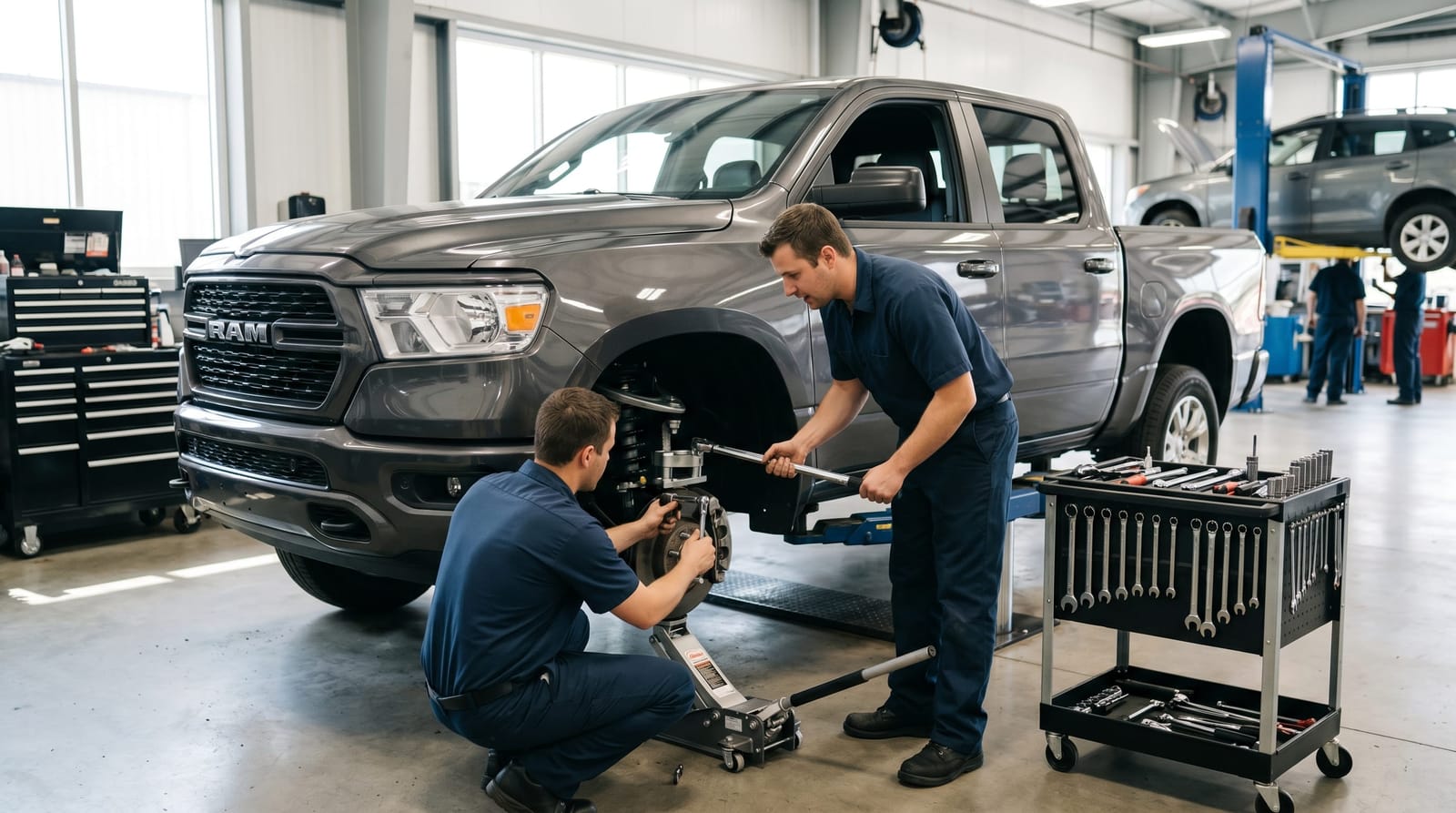
For context, here's a general picture of how a mid-range suspension lift install typically flows at a professional shop:
- Vehicle inspection and lift setup (30-60 minutes): The technician reviews the vehicle's current condition, confirms fitment, and raises the truck on a lift.
- Disassembly of existing suspension components (1-2 hours): Stock parts are carefully removed, with attention to any hardware that shows wear or corrosion.
- Installation of new lift components (2-4 hours): New shocks, springs, spacers, or control arms are installed per the kit specifications.
- Hardware torque check and safety inspection (30-60 minutes), All fasteners are tightened to spec, and the technician verifies clearances and component positioning.
- Test drive and final adjustments (30-45 minutes): The truck is driven to confirm everything feels right before the alignment is performed.
This full sequence for a 3- to 4-inch suspension lift lands comfortably in the 6- to 8-hour range, which is why most shops treat it as an all-day appointment.
Frequently Asked Questions
Can a lift kit be installed in one day?
Most lift kit installations can be completed in a single day. Leveling kits and smaller body lifts often take 2 to 5 hours. Mid-range suspension lifts typically take 6 to 8 hours. Larger, more complex lifts, 6 inches and above, may require more than one day depending on the vehicle and scope of work involved.
Is the alignment included in the installation time estimate?
Not always. Alignment is a separate service that should be performed after any lift installation, but it may or may not be built into your quoted appointment time. Always confirm this with your shop before dropping off the vehicle so you understand whether you'll need one appointment or two.
Does the truck's age affect how long the installation takes?
Yes, it can. Older vehicles often have corroded or stuck fasteners that take additional time to safely remove. A 10-year-old truck with high mileage may take longer to work on than a newer model, even with the same lift kit. A good shop will flag this possibility during the initial estimate.
What should I bring when dropping off my truck for a lift kit install?
It's a good idea to remove any personal belongings from the cab and bed. If you have a preferred tire and wheel setup you plan to run with the lift, let the shop know in advance. You should also ask whether a ride or loaner arrangement is available if you need transportation during the day.
Plan Your Time, Plan Your Modification
Getting a realistic lift kit installation time estimate is a straightforward part of planning a smart modification. For most drivers in Kaufman County, a mid-range suspension lift means planning for a full day, and that's completely normal. Smaller leveling and body lifts can often wrap up in a half-day, while larger kits may extend beyond one business day. The key is communicating with your shop upfront, confirming parts availability, and leaving room in your schedule for follow-up services like alignment. A little planning goes a long way toward a smooth, stress-free experience.