How Low Can You Go? Vehicle Lowering Limits, Safety, and Texas Law
When it comes to modifying your vehicle's ride height, the appeal of a slammed, aggressive stance is easy to understand. A lowered car simply looks sharper: closer to the ground, purposeful, and clean. But as with any suspension modification, there's a real difference between dropping your vehicle the right amount and going so low that you're creating problems every time you hit a speed bump or merge onto a highway. For drivers in Mesquite, Forney, and throughout Kaufman County, understanding vehicle lowering limits and safety is just as important as choosing the right parts. This post digs into that decision-making process: covering how low is actually reasonable, what Texas guidelines generally say about ground clearance, and how to get a great-looking stance without sacrificing the drivability you need every day. It's part of our broader resource on truck lift kit size selection and vehicle height modification for local drivers.
What "Lowering" Actually Means for Your Suspension
Before jumping into limits and safety considerations, it helps to understand what happens mechanically when you lower a vehicle. Lowering isn't just about aesthetics: it changes how your suspension geometry functions, how your tires contact the road, and how your vehicle handles bumps, corners, and uneven pavement.
When you reduce ride height, several things shift simultaneously:
- Your center of gravity drops, which can improve cornering stability
- Your suspension travel decreases, meaning there's less room for the suspension to absorb bumps before the car bottoms out
- Camber angles change, which affects how your tires wear over time
- Ground clearance is reduced under the bumpers, exhaust system, and oil pan
A modest drop, typically in the range of 1 to 2 inches (roughly 25 to 50 mm), is generally considered the sweet spot for most passenger cars and light trucks. Industry experts in suspension engineering often cite this range as one where most vehicles can be lowered without requiring significant geometry corrections or creating daily-driver problems. Going beyond that range is possible, but it requires progressively more attention to alignment, component compatibility, and how the vehicle will handle real-world road conditions.
The type of lowering system you use also matters. Springs, coilovers, and air suspension all handle the drop differently. If you're weighing those options, our lowering springs vs coilovers comparison breaks down each approach in detail.
How Low Is Too Low? The Safety Side of the Equation
This is where many enthusiasts underestimate the tradeoffs. A vehicle that looks incredible in a parking lot photo can be genuinely frustrating, or even unsafe, to drive on public roads if it's dropped too aggressively.
Ground Clearance and Scraping
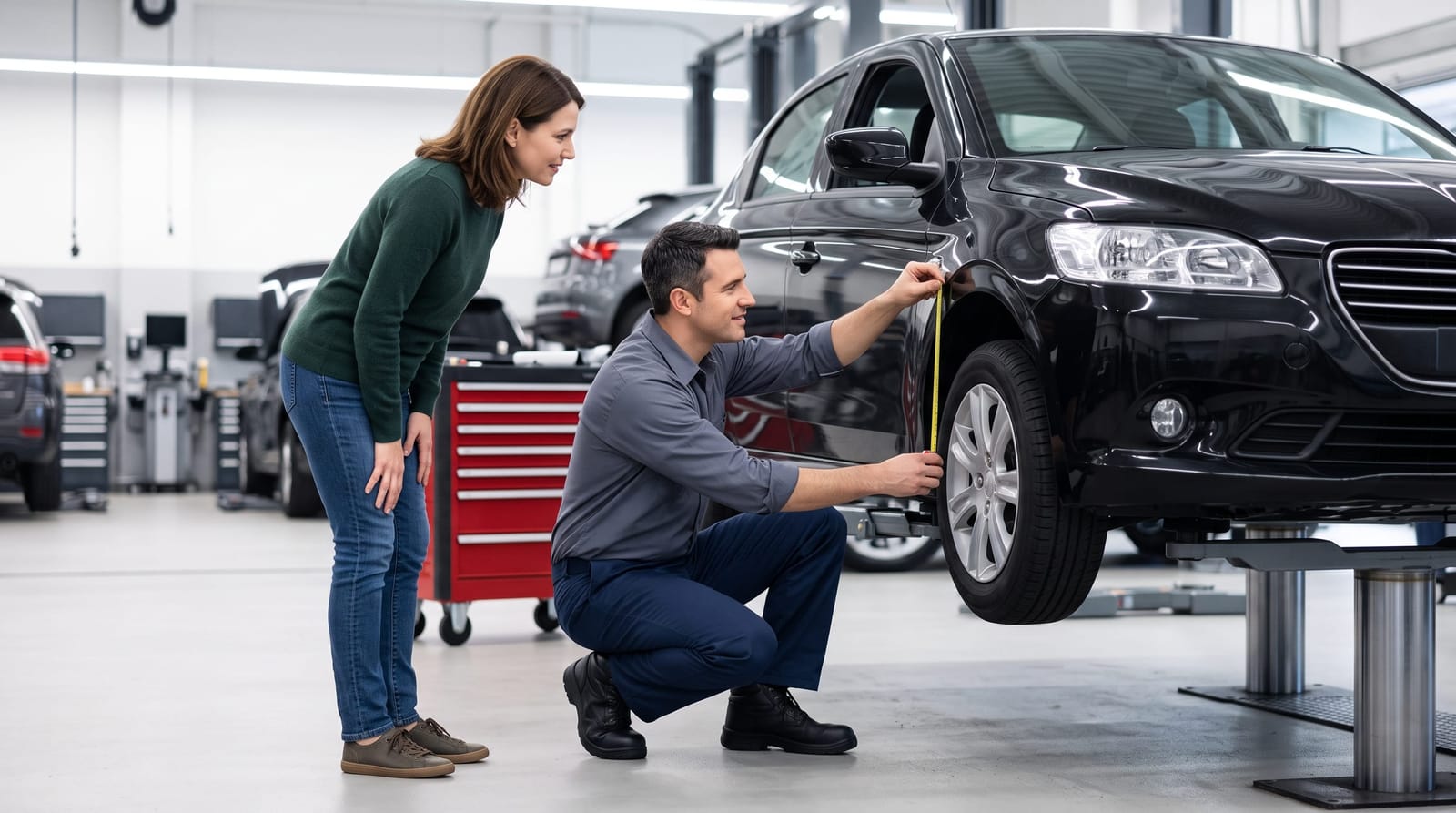
Most factory vehicles sit with somewhere between 5 and 8 inches of ground clearance. Even a 2-inch drop can bring that number down to a range where certain obstacles, steep driveways, railroad crossings, and unmarked speed bumps, become a regular source of scraping and contact. At 3 or more inches of drop without proper geometry correction, the risk of making contact with the road surface increases significantly, particularly for vehicles with longer wheelbases or lower-slung body kits.
Repeated scraping isn't just annoying. Over time, it can damage your exhaust system, oil pan, and front splitter, and can create unpredictable handling moments if the vehicle makes sudden contact with a raised surface while moving.
Suspension Geometry and Tire Wear
Lowering changes the angles at which your control arms, tie rods, and steering components operate. When these angles shift too far from their designed range, your tires start wearing unevenly, often faster on the inside edges. Alignment can compensate for some of this, but extreme drops may push components outside of the adjustment range that a standard alignment can correct.
Poor alignment also affects handling. A vehicle that pulls, drifts, or doesn't track straight is harder to control in emergency maneuvers, which is a safety concern worth taking seriously.
Reduced Visibility from Other Drivers
A vehicle that sits very low can be harder for other drivers, especially those in trucks or SUVs, to see in traffic, particularly at intersections. This is a commonly overlooked safety consideration that has nothing to do with how well the lowered vehicle handles on its own.
Texas Vehicle Height Regulations: What You Generally Need to Know
Texas does have regulations around minimum vehicle ground clearance and how low a vehicle can sit on public roads. These rules are tied to inspection requirements, which means a vehicle that doesn't meet minimum standards may not pass its annual state inspection.
Generally speaking, Texas regulations set minimum ground clearance requirements and also include rules about how low the front bumper can sit relative to the ground. These standards exist to ensure that lowered vehicles maintain enough clearance to be safely operated on public roads without posing hazards to the vehicle itself or other road users.
It's important to note that we're not providing legal guidance here: regulations can change, interpretations vary, and the specifics of what applies to your vehicle depend on factors like vehicle type, model year, and how it's been modified. If you want to understand exactly where your planned modification falls relative to current Texas rules, the Texas Department of Public Safety and a licensed inspection station are your best resources for accurate, up-to-date information.
What we can say practically: if a modification pushes your vehicle so low that it routinely scrapes on public roads, creates abnormal tire wear, or would fail a visual inspection, that's a signal the drop is likely outside of safe and street-legal territory for everyday use.
Texas roads, and particularly the roads in Kaufman County, also present specific challenges for lowered vehicles. For a closer look at how local road conditions interact with a dropped suspension, check out our post on lowered car Texas road problems.
Finding the Sweet Spot: Aggressive Stance Without Sacrificing Drivability
The good news is that you don't have to choose between a great-looking vehicle and one that's enjoyable to drive on public roads. The key is making informed decisions before committing to a specific drop amount.
Start With Your Intended Use
How you use your vehicle daily matters more than most people expect when planning a lowering project. Ask yourself:
- Do you regularly navigate steep driveways, parking garage ramps, or uneven surfaces?
- Do you drive on rural roads with unpredictable pavement quality?
- Do you haul cargo or carry passengers frequently, which affects how the vehicle sits under load?
- Is this a weekend-only show car, or your daily commuter?
A vehicle used primarily for weekend cruising or car shows can tolerate a more aggressive drop than one that logs daily highway miles between Forney and Dallas. Being honest about how you actually use the vehicle leads to better decisions about how far to go with the modification.
Work With Your Vehicle's Factory Geometry
Some vehicles are designed with more suspension travel and adjustment range than others. Certain platforms, particularly those from manufacturers that offer sport trim levels with factory-lowered suspension, lower more cleanly because the geometry was engineered with a wider adjustment range in mind. Other vehicles, particularly trucks and body-on-frame SUVs, have suspension systems designed for a higher ride height and may experience more geometry disruption at smaller drop amounts.
A 1.5-inch drop on a vehicle with a sport-tuned platform might feel balanced and controlled. The same 1.5-inch drop on a stock family sedan might push the geometry further than it can handle well. This is why a vehicle-specific conversation with a knowledgeable shop is more useful than a generic number.
Budget for Alignment After Installation
Any meaningful suspension modification, whether it's a drop of 1 inch or 3 inches, requires a proper four-wheel alignment afterward. This isn't optional if you want the vehicle to handle predictably and your tires to wear evenly. Budget for it as part of the project cost, not as an afterthought.
Common Mistakes to Avoid When Lowering a Vehicle
After working with drivers in the Kaufman County area on suspension modifications, certain mistakes come up repeatedly. Being aware of them ahead of time can save you real headaches:
- Going too far too fast. It's tempting to go for maximum drop upfront, but starting with a moderate drop and evaluating drivability first is a smarter approach, especially if you haven't driven a lowered vehicle before.
- Skipping alignment after installation. This is one of the most common and costly mistakes. Suspension components that are installed correctly but not aligned will cause premature tire wear and handling issues.
- Choosing parts based on price alone. Suspension components affect how your vehicle handles in emergency situations. Quality matters more here than in some other areas of vehicle modification.
- Not accounting for passenger and cargo load. A vehicle that sits at a reasonable height when empty may scrape when loaded with passengers or cargo. Factor in your typical load conditions when choosing a drop amount.
- Ignoring shock absorber compatibility. Lowering springs require shocks that are matched to the new ride height range. Using factory shocks with significantly shorter springs leads to poor ride quality and accelerated wear.
Related Topics Worth Exploring
Lowering limits and safety are just one piece of the vehicle height modification picture. If you're still in the research phase, figuring out which approach is right for your vehicle and your goals, there are a few related areas worth digging into before making a final decision.
Understanding the difference between component types is a great starting point. The choice between springs-only and coilover systems significantly affects both the quality of the drop and your ability to adjust it later. Drivers planning a more comprehensive suspension build also benefit from understanding how spring rate, shock valving, and wheel offset interact with ride height changes.
And if you're considering a lift rather than a drop, or if you're trying to help someone else in your household understand the difference between the two, our broader guide on vehicle height modifications covers both ends of the spectrum in one place.
Final Thoughts on Lowering Your Vehicle Safely
Lowering a vehicle is one of the most impactful modifications you can make to its appearance, and when done thoughtfully, it can also improve handling and make a vehicle genuinely more enjoyable to drive. The key is approaching it with realistic expectations about what a given drop will do to your daily driving experience, how it will interact with Texas road conditions, and where the line is between an aggressive-but-functional stance and one that creates ongoing problems.
For drivers in Mesquite, Forney, and Kaufman County, the local road environment adds real-world context to these decisions. Roads vary significantly in quality across the region, and a drop that works perfectly in one neighborhood might cause constant scraping in another.
If you're ready to talk through the specifics of your vehicle and your goals, Gregg Automotive is here to help. We work with local drivers every day on suspension modifications that look great and hold up to real-world use. Reach out to schedule a conversation: no pressure, just honest guidance from a shop that knows these roads.