Lowering Springs vs Coilovers: Which Is the Better Choice for Your Build?
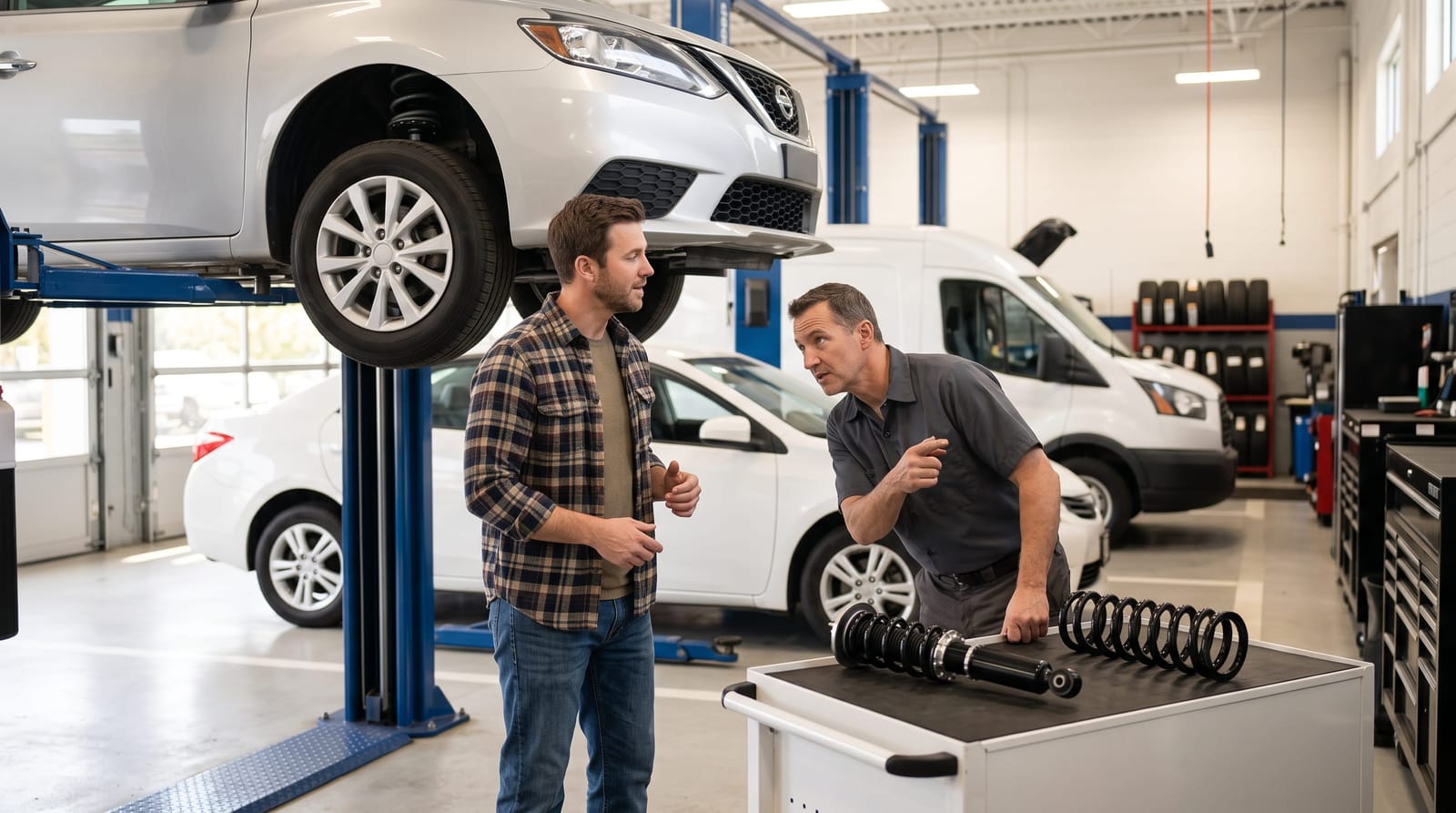
When you start exploring ways to lower your vehicle, the first major decision you'll face is choosing between lowering springs and coilovers. Both options drop your ride height and change how your vehicle handles, but they work differently, cost differently, and deliver very different results depending on what you're trying to accomplish. As part of our complete guide to vehicle lift and lowering modifications for Kaufman County drivers, this post breaks down the lowering springs vs coilovers comparison in plain language so you can make a confident, informed choice before you spend a dime. Whether you're driving around Forney, Terrell, or anywhere else in the area, here's what you need to know before choosing a suspension modification that fits your vehicle, your budget, and your daily driving habits.
What Are Lowering Springs and How Do They Work?
Lowering springs are exactly what they sound like: replacement coil springs that are shorter and stiffer than your factory springs. When you swap out your stock springs for a lowering set, your vehicle sits closer to the ground because there's less spring height pushing the body up. That's the entire mechanism, and that simplicity is one of the biggest reasons lowering springs remain a popular entry-level modification.
The Basic Setup
Lowering springs work with your existing shock absorbers. You're not replacing the entire suspension system, just the springs. This keeps the job relatively straightforward and the parts cost lower compared to a full coilover setup. On average, a quality set of lowering springs costs between $150 and $400 depending on the brand and vehicle application, which makes them an accessible starting point for drivers who want a lower stance without a large upfront investment.
Typical Drop Range
Most lowering springs drop a vehicle between 1 and 2.5 inches. That's enough to noticeably change the look of a car or truck and reduce body roll during cornering, but it's not the kind of dramatic drop you'd achieve with a more aggressive setup. For everyday drivers in Forney and Terrell who want a cleaner look and slightly sportier feel without completely transforming their suspension, lowering springs often hit that sweet spot.
The Trade-Off to Know About
Because lowering springs work with your existing shocks, those shocks are now operating outside the range they were designed for. Over time, this can lead to uneven wear on your shock absorbers, especially if they were already older when the springs were installed. It's a real consideration that often gets overlooked in the budget-building phase.
What Are Coilovers and How Are They Different?
Coilovers are a complete suspension unit that combines a shock absorber and a coil spring into one integrated assembly. Instead of swapping just the spring, you're replacing the entire strut or shock-and-spring system. This gives you far more control over how your vehicle sits and handles, but it also comes with a higher price tag and more installation complexity.
Adjustability Is the Key Advantage
The defining feature of coilovers is adjustability. Most coilover kits let you dial in your exact ride height by threading the spring perch up or down on the shock body. Many mid-range and premium coilover kits also allow you to adjust damping: meaning how stiff or soft the shock absorber responds to bumps. This level of fine-tuning simply isn't possible with a basic lowering spring setup.
Drop Range and Precision
Coilovers typically offer a drop range of 1 to 4 inches or more, and you can set that height precisely rather than accepting whatever drop the spring is designed for. If you want to sit exactly 2.3 inches lower than stock, a quality coilover kit makes that achievable. That precision matters especially if you're trying to maintain proper suspension geometry while achieving a specific look.
The Investment Required
Quality coilover kits for passenger cars and trucks generally range from $600 to over $2,000 depending on the brand, vehicle, and feature set. Entry-level coilovers in the $500-$700 range can be a reasonable middle ground, but budget coilovers from unknown brands sometimes sacrifice durability for price, and that can create problems down the road. This is an area where doing your research and working with a shop you trust pays off.
Lowering Springs vs Coilovers: A Direct Comparison
To make this lowering springs vs coilovers comparison as useful as possible, let's look at each factor that matters to everyday drivers making this decision.
Cost
Lowering springs win on upfront cost. Parts alone run $150-$400 for most applications, and installation labor is typically less than a full coilover swap. Coilovers run $600-$2,000 or more for the parts, plus additional labor time since it's a more involved installation. If your budget is the primary concern, lowering springs are the practical starting point.
Ride Quality
This one is nuanced. Lowering springs are stiffer than stock, so you'll feel more road texture: that's expected. But because they're paired with your existing shocks, ride quality can become unpredictable if those shocks aren't in good shape. Coilovers, when properly tuned, can actually deliver a more controlled and predictable ride than mismatched springs and worn shocks. For a deeper look at how this plays out in real-world driving, our post on coilovers ride quality improvement covers what drivers should realistically expect from this type of suspension change.
Adjustability
Coilovers win here: it's not close. Lowering springs give you one drop height. Coilovers let you adjust height within a range and often adjust damping as well. If you want flexibility to raise the vehicle slightly for road trips or lower it further for a show, coilovers are the only option that supports that kind of versatility.
Installation Complexity
Lowering springs are a more straightforward installation, though they still require a spring compressor and proper alignment afterward: this is not a driveway DIY job for most people. Coilovers take longer to install, require precise setup, and absolutely require a professional alignment once they're in. Either way, plan on professional installation and a post-installation alignment check, which typically runs $80-$150.
Long-Term Durability
High-quality coilovers from reputable brands are built to last and can outlive a set of lowering springs when properly maintained. Lowering springs themselves don't typically wear out quickly, but the shocks they're paired with may wear faster due to the spring rate mismatch mentioned earlier. Long-term, a properly matched coilover setup can be the more durable system: provided you invest in a quality kit from the start.
Which Option Makes More Sense for Kaufman County Roads?
Road conditions in Forney, Terrell, and surrounding Kaufman County areas include a mix of smooth highways, rural roads with rough patches, and the occasional unpaved stretch. That context matters when choosing a suspension setup.
If You Drive Mostly Highway and City Streets
A well-chosen set of lowering springs paired with new shock absorbers (if your current ones have high mileage) is a reasonable and cost-effective approach. You'll get the lower stance, a firmer feel, and a cleaner look without the premium cost of coilovers.
If You Want More Control Over the End Result
Coilovers make sense if you have a specific ride height target in mind, want the ability to adjust your setup later, or if you're building a vehicle that you'll refine over time. The higher upfront investment gives you flexibility that lowering springs simply can't match.
A Note on Trucks and SUVs
This comparison applies primarily to passenger cars and smaller crossovers. Trucks and larger SUVs have different suspension architecture, and the lowering options for those vehicles involve different considerations. If you're researching modifications for a full-size truck, you may also want to look at our resource on truck lift kit size selection to understand how the modification spectrum works across the full range of options, from lowering to lifting.
What to Check Before You Commit to Either Option
Before purchasing either lowering springs or coilovers, there are a few things worth confirming to avoid surprises after installation.
- Current shock condition: If your shocks have more than 50,000 miles on them, replacing them at the same time as lowering springs is often the smarter move. Running worn shocks with new stiffer springs creates an inconsistent, potentially harsh ride.
- Wheel clearance: Lowering your vehicle changes how much space exists between the tire and the wheel well. Some vehicles have very little margin, and a larger-than-expected drop can cause tire rubbing during turns or over bumps.
- Alignment requirements: Both setups require a professional alignment after installation. Budget for this from the start: skipping alignment after a suspension change leads to uneven tire wear and handling issues.
- Manufacturer warranty considerations: Suspension modifications can affect your vehicle's factory warranty coverage. Check with your dealership about how a lowering modification may affect your specific coverage before moving forward. This is general guidance, for questions about your specific warranty, contact your vehicle's manufacturer directly.
- Application compatibility: Not every coilover kit or lowering spring is designed for every vehicle. Confirm the parts are specifically engineered for your make, model, year, and trim level before ordering.
Related Topics Worth Exploring
The lowering springs vs coilovers comparison is one important piece of the broader vehicle modification decision. If you're still working through your options, a few related topics are worth reviewing as you finalize your plan. Understanding how coilovers affect your day-to-day driving comfort is especially relevant: our article on coilovers ride quality improvement digs into what drivers realistically experience after installation, including the difference between budget and premium kits. If your household includes both a truck and a car, the modification considerations are quite different between the two: the guide on truck lift kit size selection is a helpful companion read for understanding where lowering fits in the broader landscape of suspension changes.
Making the Right Call for Your Vehicle
There's no single right answer in the lowering springs vs coilovers comparison: the better choice depends on your budget, your goals, and how you use your vehicle every day. Lowering springs are a solid, affordable way to achieve a lower stance and improved appearance without a major investment. Coilovers deliver precision, adjustability, and long-term versatility at a higher cost. Both can be done well when you're working with quality parts and a shop that knows what they're doing.
At Gregg Automotive, we help drivers in Forney, Terrell, and across Kaufman County think through suspension modifications honestly, without pressure, without guesswork, and without oversimplifying what's involved. If you're ready to talk through your options or want a professional opinion on what makes sense for your specific vehicle, give us a call or stop by. We're happy to help you make a decision you'll be satisfied with for years to come.