Lifted Truck Warranty: What Changes and What Stays Protected
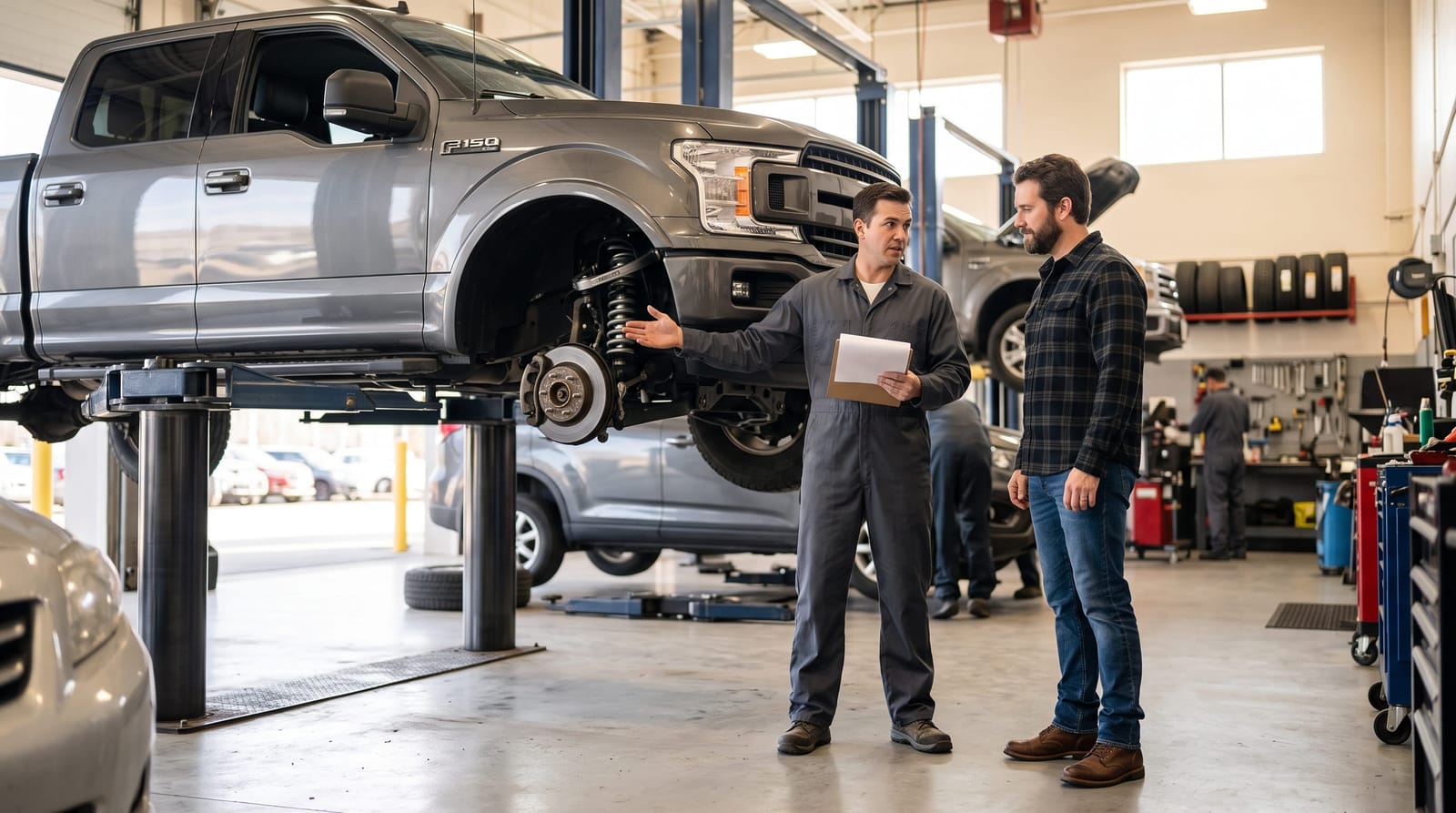
One of the first questions truck owners in Kaufman County ask before committing to a lift kit is a simple but important one: "Will this void my warranty?" It's a fair concern: factory warranties represent real financial protection, and nobody wants to accidentally give that up. The good news is that the reality of lift kit warranty implications is far less scary than the rumor mill suggests. Understanding how warranty coverage actually works with aftermarket modifications can help you move forward with confidence instead of guesswork. This guide walks through what federal guidelines say about aftermarket parts and warranties, which specific components are most at risk, how to document your installation properly, and what to ask a shop before any work begins. If you've been hesitating because of warranty worries, this is the information you need.
The Federal Framework Behind Aftermarket Modifications and Warranties
Most truck owners have heard some version of the warning: "Put a lift on it and you'll void the whole warranty." That's not accurate, and there's a federal consumer protection framework that backs this up. The Magnuson-Moss Warranty Act, a federal statute passed in 1975, was specifically designed to address situations like this. While we're not offering legal interpretation here, the general consumer-facing understanding of this framework is widely documented and educational in nature.
In practical terms, this framework establishes that a vehicle manufacturer generally cannot void your entire factory warranty simply because you installed an aftermarket part. To deny a warranty claim on a specific component, the manufacturer or dealer would typically need to show that the aftermarket modification directly caused the failure in question. That's a meaningful distinction: it shifts the conversation from "everything is voided" to "specific failures related to specific modifications may not be covered."
According to research from multiple aftermarket industry sources, installing a lift kit on your truck does not automatically void the factory warranty across the board. Instead, warranty coverage becomes component-specific. Think of it this way: if your truck's infotainment screen stops working after a suspension lift, there's no logical connection between those two things, and that claim would generally still fall under your factory coverage. The key word throughout all of this is "generally," and your specific situation may vary. Always consult your dealer and, if needed, a licensed professional for guidance on your individual warranty terms.
Which Components Are Most Likely Affected
While a lift kit doesn't wipe out your entire warranty, there are specific areas of your truck where coverage questions are most likely to come up. Knowing these in advance helps you plan your modification with realistic expectations.
Suspension and Steering Components
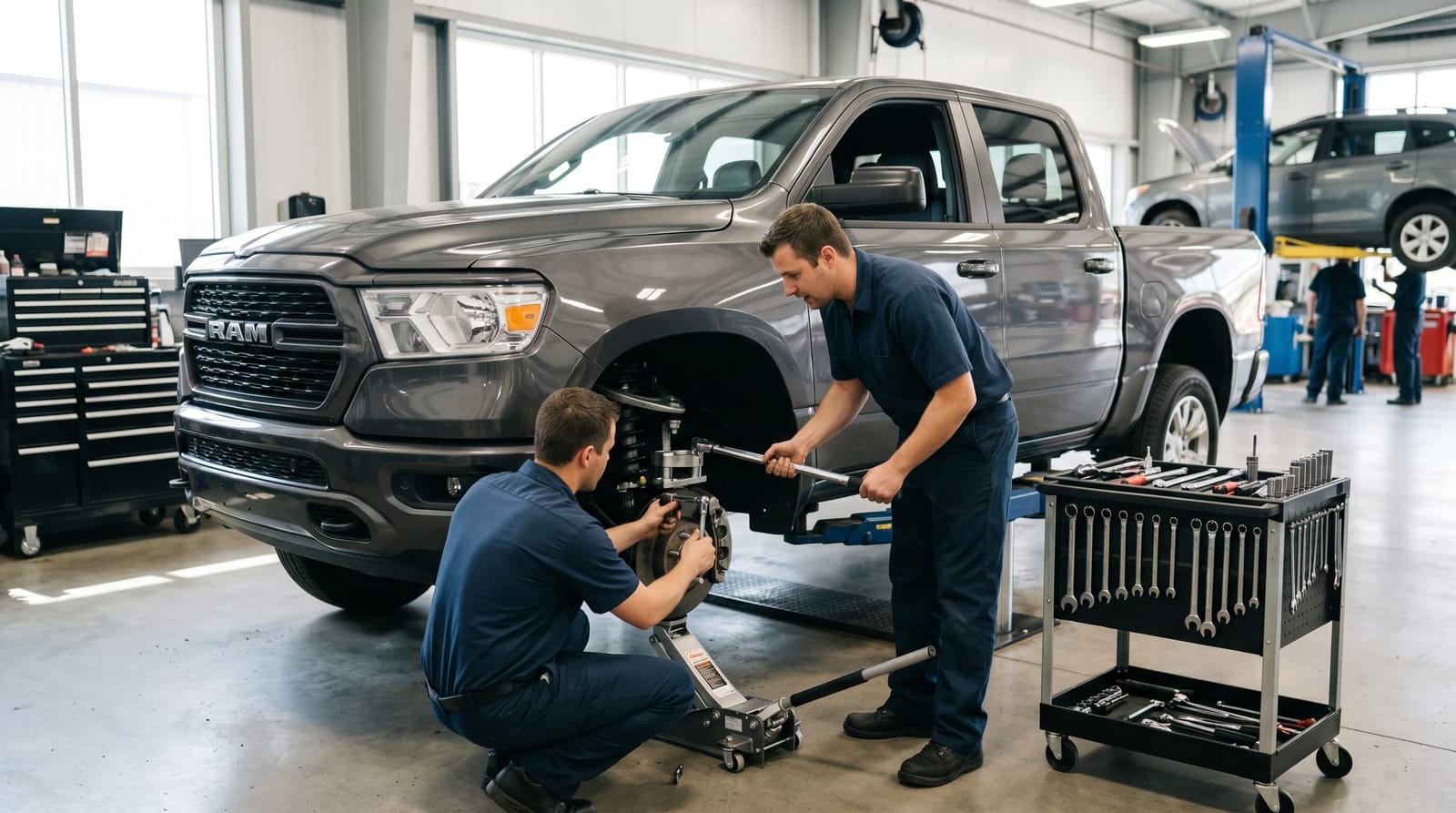
This is the area most directly affected by any lift installation. Shocks, struts, control arms, tie rods, and related steering components are all part of the system that gets modified. If any of these fail, a manufacturer may argue the lift contributed to the issue. This is especially true if the lift was installed incorrectly or if incompatible components were used. Choosing a lift kit that's engineered for your specific make and model, not a generic fit, significantly reduces this risk.
Drivetrain Components
Larger lifts, particularly those in the 4-inch to 6-inch range, can change the angle of your driveshaft and CV axles. This altered geometry can put additional stress on drivetrain components over time. If a U-joint or differential fails after a significant lift, expect the manufacturer to look carefully at whether the modification played a role. Proper driveline corrections, such as adjustable control arms or driveshaft spacers, are often part of responsible installation at these heights. If you're weighing which lift height makes sense for your truck, our guide on truck lift kit size selection covers how 2-inch, 4-inch, and 6-inch lifts differ in impact and complexity.
Wheel Bearings and Hub Assemblies
Larger tires, a common upgrade that goes hand in hand with lifting, add rotational weight and can increase stress on wheel bearings. If you install oversized tires beyond your truck's rated capacity, related bearing or hub failures are more likely to raise warranty questions. Staying within reasonable tire size guidelines for your lift height is a simple way to protect yourself here.
What Typically Remains Unaffected
Your powertrain warranty (engine, transmission, transfer case), electrical systems, interior components, climate systems, and safety features like airbags and ABS are generally not impacted by a suspension lift unless a clear causal connection exists. Most lift installations have zero effect on these systems, and warranty claims in these areas should proceed normally.
How to Document Your Installation to Protect Remaining Coverage
Documentation is one of the most practical steps a truck owner can take to protect warranty coverage after a lift installation. If a warranty dispute ever arises, having a clear paper trail demonstrates that the modification was done responsibly and with quality parts.
Keep All Receipts and Part Records
Save every receipt related to your lift kit installation: the parts themselves, any additional components purchased alongside them, and the labor invoice from the shop. These records should include the brand, part numbers, and specifications of everything installed. Reputable lift kit brands will often include documentation showing the kit was engineered for your specific vehicle application, which can be valuable reference material.
Request a Detailed Installation Invoice
Ask the shop performing your installation to provide a detailed written invoice that lists everything done, the parts used, and confirmation that the work was performed correctly. A professional shop will have no issue providing this. If you're also getting a wheel alignment after the lift, which is strongly recommended, as outlined in our guide on alignment needed after lift kit: ask for that documentation to be included as well.
Photograph Before and After
A simple set of dated photos before and after the installation gives you a visual record of your vehicle's condition and what was changed. This takes about five minutes and could be useful context if questions arise later.
Notify Your Dealer Before Installation
Some truck owners choose to talk to their dealership before getting a lift installed. While dealers aren't always lift kit experts, having a conversation on record shows good faith and gives you a chance to clarify which specific warranty terms may be affected. Dealer attitudes toward lift kits vary widely: some are familiar with popular modifications and have straightforward answers, while others may be more cautious. Either way, the conversation is worth having.
Choosing Quality Parts and a Qualified Shop
One of the clearest ways to protect your warranty standing, and your truck's long-term reliability, is to prioritize quality at every step of the modification process. Industry data consistently shows that warranty complications and mechanical issues related to lift kits are disproportionately linked to two things: low-quality parts and improper installation.
Reputable lift kit manufacturers build their products to work within the engineering tolerances of specific vehicles. They test for proper geometry, clearance, and load ratings. A quality kit from a recognized brand is designed not to overstress the components connected to it. A bargain kit from an unknown source may not offer the same guarantees, and in some cases, may introduce stress points that create legitimate warranty complications.
Installation quality matters just as much. A lift kit installed by a shop with experience in suspension work, proper tooling, and attention to torque specs and alignment will perform very differently than one rushed through without that care. Ask about the shop's experience with your specific vehicle type, whether they do a test drive and post-installation inspection, and how long the process typically takes: our overview on lift kit installation time estimate gives a helpful sense of what a thorough job involves.
According to industry estimates, a properly installed lift kit on a compatible vehicle that uses manufacturer-recommended components has a very low rate of creating warranty complications on unrelated systems. The risk rises sharply when incompatible parts are used or when installation shortcuts are taken.
Questions to Ask a Shop Before Work Begins
Walking into a lift installation with the right questions puts you in control of the process. Here are the specific questions worth asking any shop before they touch your truck:
- Is this kit compatible with my exact year, make, model, and trim? Lift kits are not universal. A kit designed for a specific truck will behave very differently than one that "kind of fits."
- Will you provide a detailed written invoice listing all parts and labor? Any professional shop should say yes without hesitation.
- Does this installation require any additional corrections, such as a driveline adjustment or alignment? This is especially important for larger lifts.
- What brand of lift kit do you recommend, and why? A knowledgeable shop will have a clear answer based on quality and compatibility, not just price.
- Have you installed this type of kit on my specific vehicle before? Experience with your truck model matters.
- What does the installation process involve, and what will you inspect during and after? A thorough shop will check more than just the bolts.
These questions help you evaluate the shop as much as the service. A shop that answers clearly and confidently is one that knows what they're doing. Vague or dismissive answers are a signal worth taking seriously.
Lowering Your Truck? Warranty Considerations Apply There Too
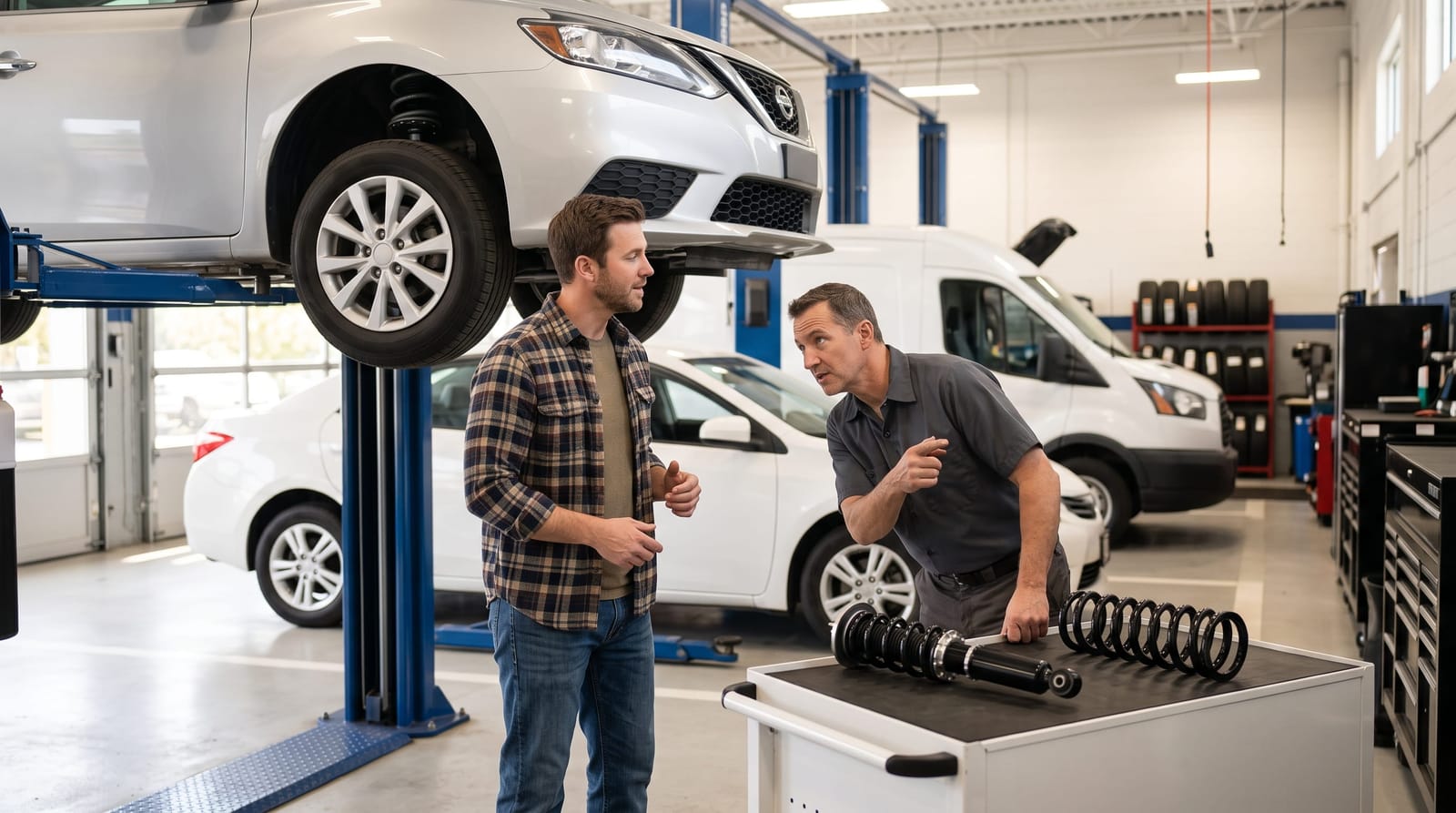
Lift kits get most of the attention in warranty discussions, but lowering modifications carry similar considerations. Suspension lowering changes load distribution, ride geometry, and clearance, all of which can affect related components. If you're weighing a lowering build instead of or alongside a lift, the same principles apply: quality parts, proper installation, and documentation. Our lowering springs vs coilovers comparison breaks down the differences between those two approaches for truck and car owners thinking through a lower stance. And if you're curious about how low is legally and safely appropriate in Texas, our guide on vehicle lowering limits safety covers those boundaries in plain terms.
Conclusion: You Have More Protection Than You Think
Lift kit warranty implications are a legitimate concern, but they're also a manageable one. The key takeaways are straightforward: installing a lift kit does not automatically void your entire factory warranty. Coverage becomes component-specific, and manufacturers would generally need to demonstrate a direct connection between the modification and a specific failure to deny a claim. Protecting yourself comes down to choosing compatible, quality parts, working with an experienced shop, and keeping thorough documentation from start to finish.
If you're in Kaufman County and ready to move from research to action, Gregg Automotive is here to answer your questions honestly: no pressure, no guesswork. Reach out to talk through your lift options and get a clear picture of what the process looks like for your specific truck.