What Happens If You Drive on Bad Struts Too Long?
It's a question a lot of drivers ask themselves when they notice something feels a little off: the ride is rougher than usual, the car seems to bounce more, or the steering doesn't feel as steady. If you've been wondering whether bad struts are really that big of a deal to leave alone for a while, you're not alone. Understanding the consequences of driving on bad struts can help you make a smarter, more informed decision about when to get them checked. Here's what you actually need to know.
What Struts Do (and Why They Matter)
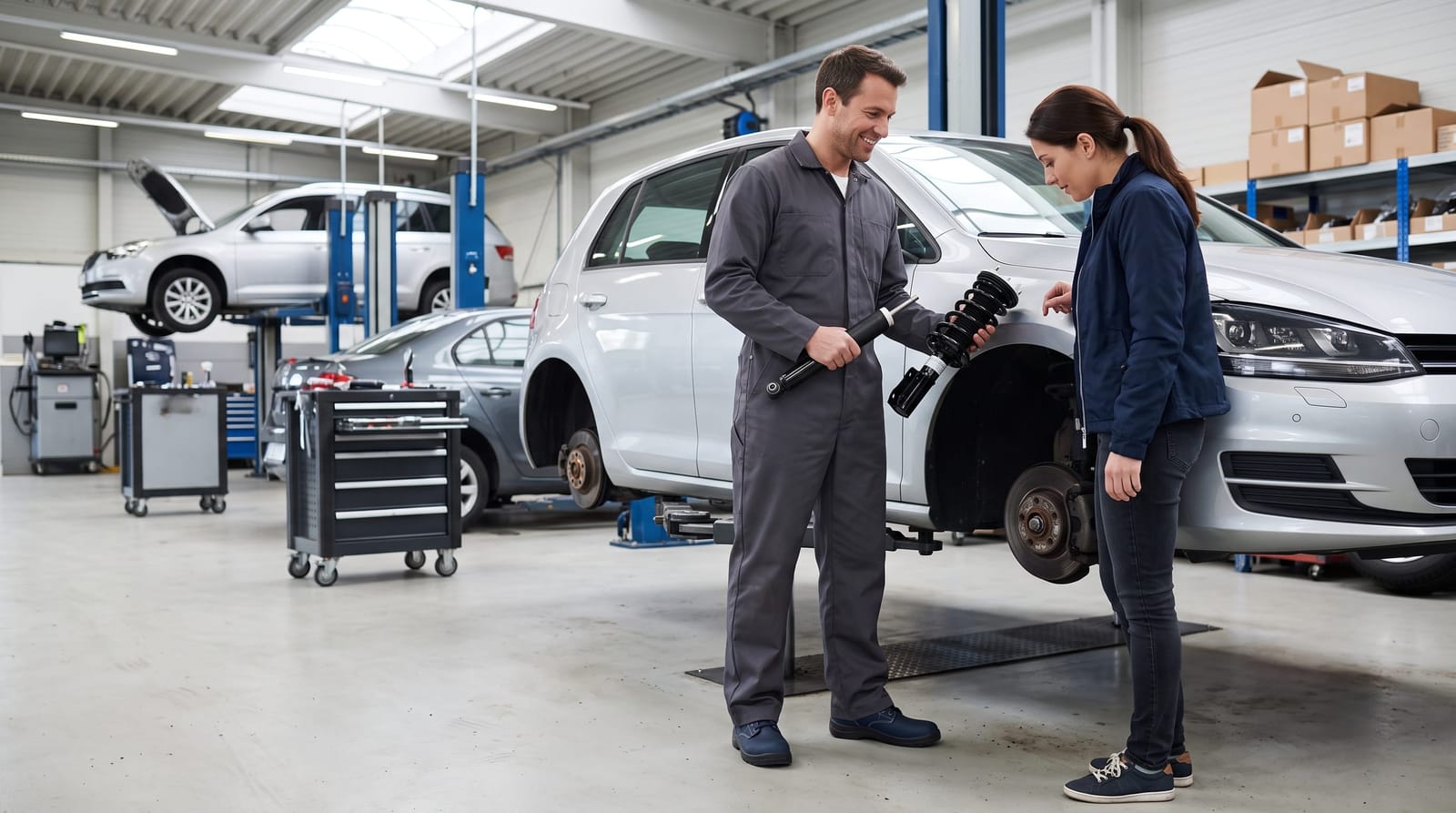
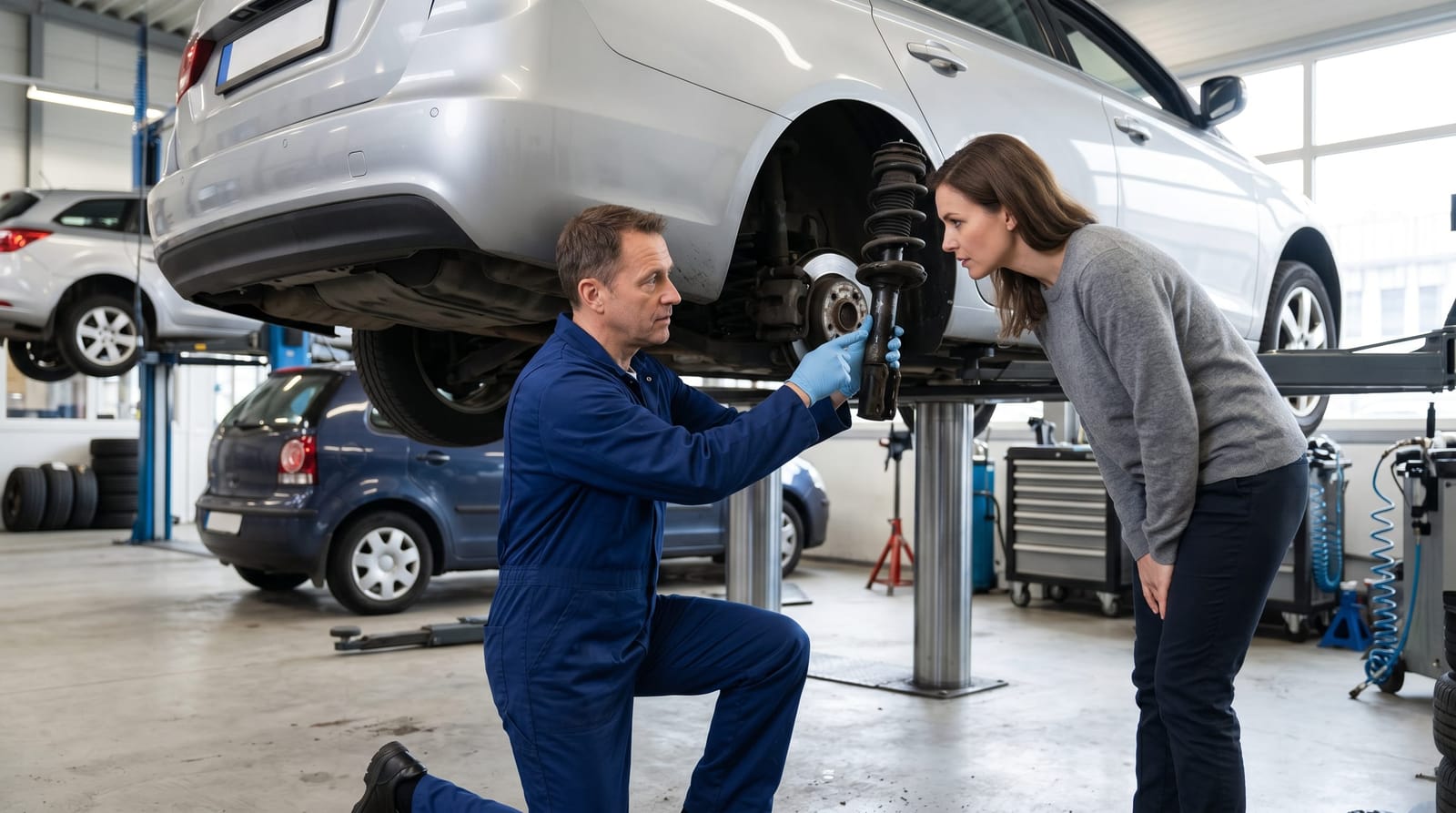
Struts are a central part of your vehicle's suspension system. They serve two purposes at once: they act as a structural component that supports the weight of the vehicle, and they dampen the movement of your springs so your ride stays controlled and predictable. Without properly functioning struts, your tires can't maintain consistent contact with the road, and that affects nearly everything else about how your vehicle handles.
Unlike some vehicle parts that fail all at once, struts wear down gradually over time. That gradual decline is actually what makes them easy to ignore. The change is slow enough that many drivers adapt without realizing how much handling ability they've already lost. By the time the ride feels noticeably rough, the struts may have been underperforming for quite a while.
If you're curious about how long struts typically hold up under local driving conditions, our post on how long struts last on Texas roads breaks that down in more detail.
The Cascading Damage That Builds Over Time
One of the biggest misconceptions about worn struts is that the damage stays contained. In reality, bad struts create a chain reaction that touches several other systems in your vehicle.
Uneven and Accelerated Tire Wear
When struts are worn, your tires don't maintain even contact with the road surface. Instead of rolling smoothly, they bounce and skip slightly, especially over bumps, dips, or rough pavement. This leads to a distinctive wear pattern sometimes called "cupping" or "scalloping," where the tread wears down unevenly in a wavy pattern around the tire. This kind of wear can shorten tire life significantly, meaning you may end up replacing tires far sooner than you should have to.
Increased Brake Wear and Longer Stopping Distances
Struts play a direct role in how effectively your vehicle stops. When they're worn, the nose of your car tends to dip forward more sharply under braking: a motion called "brake dive." This shifts weight unevenly and reduces the overall stability of the vehicle during a stop. Research on worn suspension components consistently shows that bad struts can increase stopping distances noticeably, particularly during emergency stops or in wet conditions. That's not a minor inconvenience: it's a meaningful safety difference when you need to stop fast.
Alignment Damage
Struts are physically connected to several alignment-related components. When struts wear down and lose their ability to hold everything steady, the angles of your wheels can shift out of proper alignment over time. Once your alignment is off, you may notice the vehicle pulling to one side, or uneven wear across the front tires. Fixing alignment alone won't solve the problem if the struts are still bad: the alignment will just drift again. This is one of the more costly examples of how a strut problem can multiply into additional repair expenses.
Stress on Surrounding Suspension Parts
When struts aren't absorbing movement properly, that energy gets transferred to nearby components: things like ball joints, tie rod ends, and control arm bushings. These parts aren't designed to absorb that kind of constant stress on their own, and they can wear out earlier than expected as a result. What started as a strut issue can gradually pull other suspension components into a deteriorating condition.
The Safety Risks Are Real
The driving on bad struts consequences aren't just mechanical: they directly affect how safely your vehicle responds in everyday situations. On wet or slippery roads, struts help keep your tires grounded as you navigate turns, brake, or swerve to avoid something in the road. When they're worn, your vehicle becomes less predictable. You may feel the car sway during lane changes, bounce through curves, or take longer to respond to steering input.
For Kaufman County drivers who regularly travel on highways like US-80 or navigate FM roads with varying pavement quality, that handling difference is something you'll actually encounter. Roads here aren't always smooth, and suspension systems take a real beating over time, which is one reason why staying ahead of strut wear matters more than many drivers realize.
When Is It Time to Stop Waiting?
There's no single day when struts go from "fine" to "dangerous." But there are signals worth paying attention to:
- The front or rear of the vehicle bounces noticeably after going over a bump
- You hear clunking or knocking sounds when driving over uneven surfaces
- The vehicle feels like it leans or sways during turns
- You notice uneven or cupped tire wear
- Braking feels less confident or the nose dips sharply when you stop
- The steering feels vague or slightly unpredictable
If you're experiencing more than one of these at the same time, it's worth having the suspension looked at sooner rather than later. Waiting doesn't make the situation cheaper: it usually adds more items to the repair list.
Frequently Asked Questions
How long can you safely drive on bad struts?
There's no fixed number of miles that applies to everyone, because it depends on how worn the struts are and your driving conditions. That said, the longer you drive on bad struts, the more likely you are to cause damage to tires, brakes, alignment, and other suspension parts. If you're noticing symptoms, it's worth getting an inspection rather than continuing to delay.
Will bad struts affect my brakes?
Yes. Worn struts can increase your stopping distance: particularly during hard stops or on wet roads. The vehicle's nose may dip forward more sharply under braking, which affects weight distribution and braking stability. This is one of the more significant safety-related consequences of driving on bad struts.
Can bad struts damage my tires?
They can. Poor strut performance causes your tires to bounce against the road surface rather than rolling evenly, which leads to uneven wear patterns across the tread. This can shorten the life of your tires considerably and may require you to replace them earlier than expected.
Do I have to replace both struts at the same time?
In most cases, yes: struts are typically replaced in pairs (both fronts or both rears) to keep handling balanced on both sides of the vehicle. Replacing only one strut can create uneven suspension behavior, which may affect steering and braking consistency.
The Bottom Line
Driving on bad struts consequences tend to build quietly: one worn part putting stress on another, until what started as a rough ride turns into a longer repair list. Tires wear unevenly, braking distances increase, alignment shifts, and nearby suspension components take on more stress than they're designed to handle. The good news is that catching strut wear early keeps things manageable. If something feels off with your vehicle's ride or handling, the team at Gregg Automotive in Forney is here to take a look and give you an honest assessment: no pressure, just straightforward answers about what your vehicle needs.