Why Your Car Pulls to One Side: Causes, Diagnosis, and Fixes
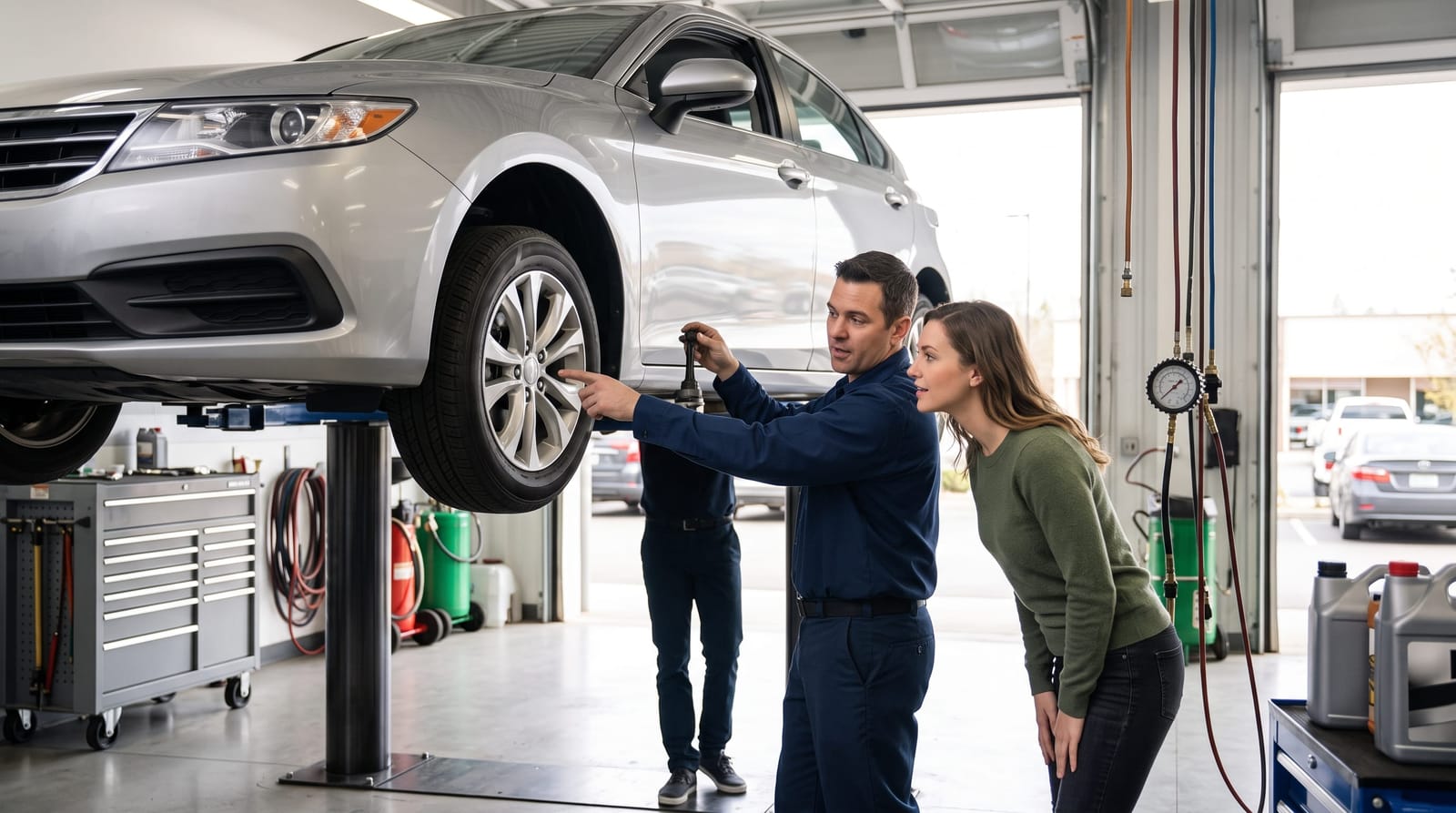
If you've noticed your car drifting left or right while driving down a straight road, you're dealing with one of the most common, and most misunderstood, vehicle symptoms out there. A car that pulls to one side might seem like a minor annoyance at first, but it's often a sign that something underneath your vehicle needs attention. For drivers who regularly commute between Forney and Mesquite, or anywhere across Kaufman County, this kind of symptom can quietly get worse the longer it goes unaddressed. Understanding the root causes behind car pulls to one side causes is the first step toward getting it fixed safely. This guide covers everything you need to know, from the most likely culprits to how a local shop diagnoses the problem and gets you back on the road driving straight.
The Most Common Reasons a Car Pulls to One Side
Pulling to one side isn't caused by just one thing: it's a symptom that can point to several different systems in your vehicle. According to automotive service data, wheel alignment issues and tire problems account for the majority of pulling complaints, but brake and suspension problems are also frequent contributors. Here's a breakdown of what's most likely going on.
Wheel Alignment Problems
Misaligned wheels are the single most common cause of a vehicle pulling to one side. Your wheels are engineered to point in a very precise direction, even small deviations from that angle can cause your car to drift noticeably. Alignment can shift from everyday driving events like hitting a pothole, clipping a curb, or going over a particularly rough patch of road. Studies suggest that roads in the U.S. cost drivers approximately $3 billion annually in vehicle damage, much of it related to alignment and suspension wear. Once alignment is off by even a degree or two, you'll feel it at the wheel. The good news is that a standard wheel alignment is one of the more straightforward fixes a shop can perform, and it's typically confirmed with a computerized alignment check.
Uneven Tire Pressure
This one surprises a lot of drivers. If one tire is significantly lower in pressure than the others, your vehicle will pull toward that side. The underinflated tire creates more rolling resistance, essentially dragging the car in that direction. The fix here is simple, bring all four tires to the manufacturer-recommended PSI, but it's worth checking whether a slow leak is causing the repeated pressure loss. The recommended PSI for most passenger vehicles is printed on a sticker inside the driver's door jamb, not on the tire sidewall itself. Many drivers overlook this detail and inflate tires to the wrong pressure.
Uneven Tire Wear
Even if your tires are inflated correctly, uneven wear across the tread can produce a pulling sensation. This often happens when alignment or rotation hasn't been maintained. A tire worn more heavily on one side has less grip and a different rolling radius than a tire in better condition, which creates an imbalance. Tire rotation is generally recommended every 5,000 to 7,500 miles: skipping it is one of the most common reasons tires wear unevenly and cause handling issues.
Brake System Issues That Cause Pulling
Not all pulling happens while you're just cruising: some of it only shows up when you apply the brakes. If your car pulls to one side specifically during braking, the brake system is likely involved rather than alignment or tires.
Sticking Brake Caliper
Your vehicle's disc brakes work by using calipers to squeeze brake pads against a rotor. If one caliper sticks in a partially applied position, that wheel experiences constant drag while the others roll freely. This causes a noticeable pull toward the side with the stuck caliper, and it often comes with a burning smell after driving or uneven heat across the brakes. A stuck caliper isn't a problem you want to drive on for long: it accelerates brake wear significantly and affects stopping ability.
Uneven Brake Pad Wear
When brake pads wear down unevenly from side to side, each wheel applies a different amount of braking force. The side with more pad material grabs the rotor more aggressively, pulling the car in that direction during stops. Brake pads typically need replacement between 25,000 and 65,000 miles depending on driving habits and pad material, but uneven wear can shorten that window considerably. If you're experiencing pulling only when braking, a brake inspection should be your first call.
Brake Fluid Contamination
Moisture-contaminated brake fluid can affect brake performance unevenly across the system. While this is a less common cause of pulling, it's worth mentioning because many drivers don't realize brake fluid should be flushed periodically. Most manufacturers recommend a brake fluid flush every 2 years or 30,000 miles, though this varies by vehicle.
Suspension Wear and Its Role in Pulling
Your suspension system is what connects your vehicle to the road, and it has a direct impact on how straight your car tracks. When suspension components wear out or become damaged, they can throw off the geometry of your wheels and steering, producing a pulling sensation that alignment adjustments alone won't fully correct.
Worn Ball Joints and Tie Rod Ends
Ball joints and tie rod ends are the pivot points that allow your wheels to steer and move with road conditions. When they wear out, they develop play: meaning there's loose, uncontrolled movement in the steering and suspension. This looseness can cause the wheel to shift position while driving, creating an unpredictable pull. These are components worth inspecting regularly, especially on older vehicles or those with high mileage.
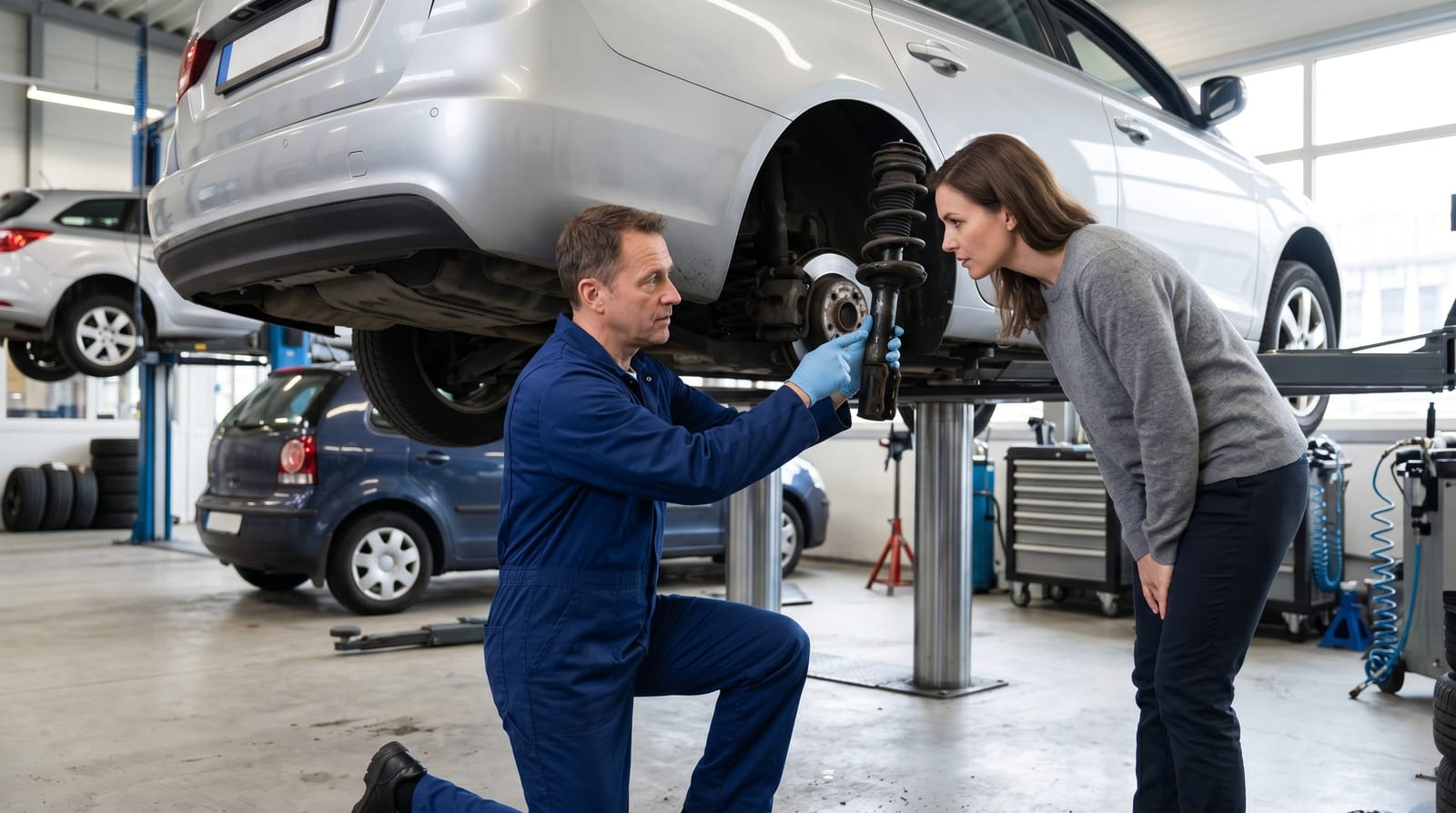
Collapsed or Weak Struts
A strut that has lost its ability to control wheel movement can allow one corner of the vehicle to sit lower than the others. This changes the alignment angles at that corner and can cause a pull. If you're noticing a pulling sensation combined with a bouncy or wallowing ride quality, worn struts could be a contributing factor. Learning to recognize bad strut symptoms early can help you catch this before it develops into a more involved repair.
Sway Bar Link Problems
The sway bar, also called a stabilizer bar, helps keep your vehicle level during cornering and prevents excessive body lean. When sway bar links or bushings wear out, they can allow uneven weight transfer between sides of the vehicle, which sometimes contributes to a pulling sensation. Understanding sway bar replacement symptoms can help you identify whether this component is contributing to your vehicle's handling issues.
How a Shop Diagnoses Why Your Car Is Pulling
When you bring your vehicle into a trusted shop, the technician won't just guess at the cause: they'll follow a logical diagnostic process to identify exactly what's creating the pull. Here's what that typically looks like:
Step 1: Road Test and Initial Observation
The technician will drive the vehicle to confirm the pull and gather details: does it pull constantly, only during braking, or only at certain speeds? Does it pull harder on rough roads? These clues help narrow the source significantly before any tools come out.
Step 2: Tire Inspection and Pressure Check
Before looking at anything mechanical, the shop will check tire pressure and inspect each tire's tread condition and wear pattern. Uneven wear tells a story about alignment history and how the car has been tracking. This step is quick but important: sometimes the fix is as simple as correcting tire pressure or rotating tires.
Step 3: Alignment Measurement
Using a computerized alignment system, the shop measures the camber, caster, and toe angles of each wheel. Even if the car is only slightly out of spec, those numbers confirm whether alignment is the source of the problem. Many shops will document the before-and-after alignment angles so you can see exactly how far off the settings were. Wondering whether a wheel alignment is enough to solve your specific pulling problem? The answer depends on what's causing it: you can find a more detailed breakdown in our post on whether wheel alignment fix pulling to one side.
Step 4: Suspension and Brake Inspection
If alignment and tires check out, the technician will inspect suspension components for wear: ball joints, tie rod ends, strut condition, and sway bar links. The brake system will also be checked for caliper movement and pad wear on both sides. This full inspection helps ensure nothing is missed.
Shocks vs. Struts: Understanding the Difference Matters Here
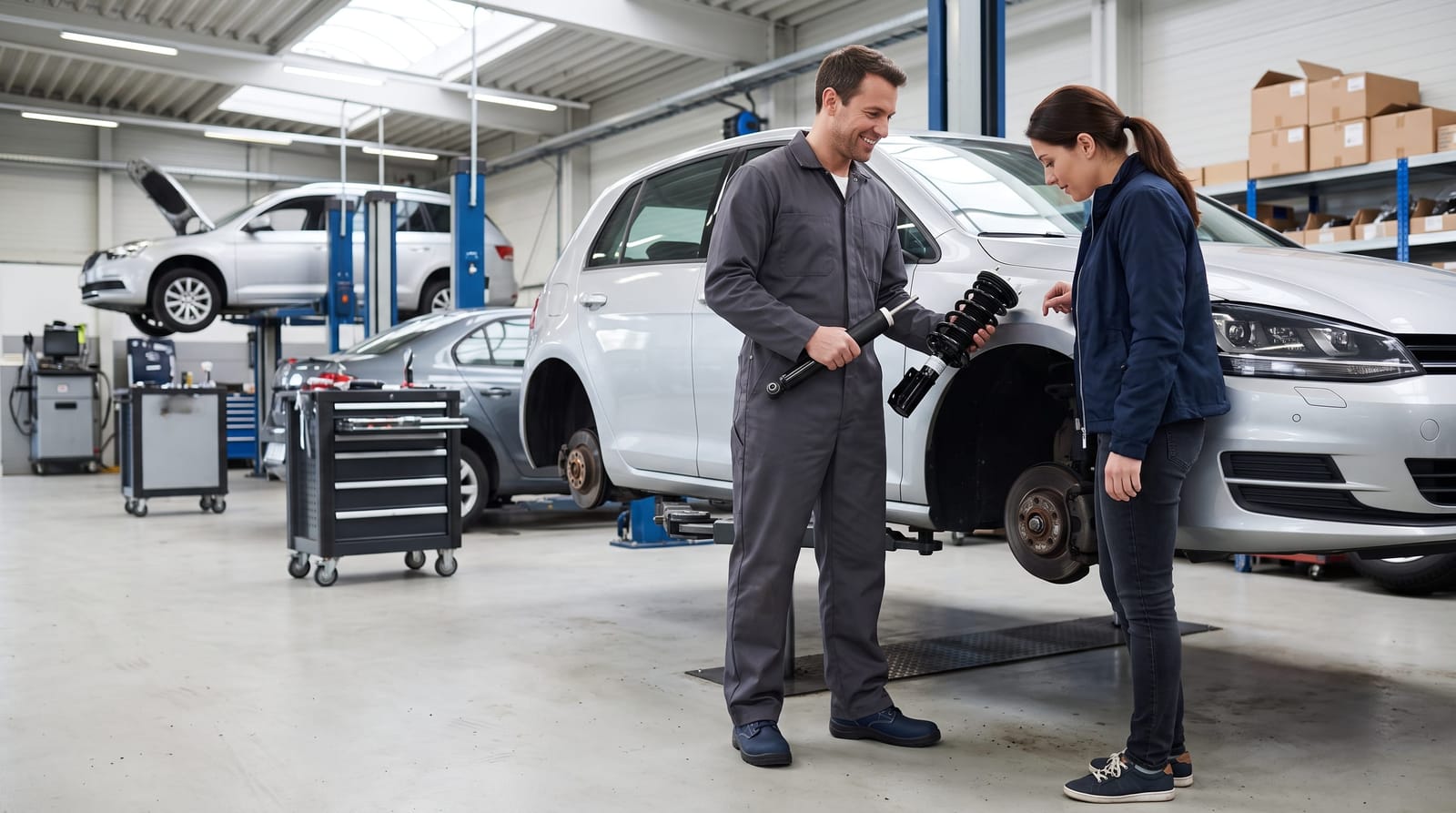
One source of confusion for many drivers is understanding which suspension component is actually involved in their pulling problem. Shocks and struts are often mentioned interchangeably, but they're different parts with different roles, and knowing the difference can help you have a more informed conversation with your mechanic. For a clear explanation of how these two components differ and what your specific vehicle uses, take a look at our guide on struts vs shocks difference. Getting familiar with these terms before your appointment means you'll understand exactly what the shop is recommending and why.
Why You Shouldn't Ignore This Symptom
A car that pulls to one side is your vehicle's way of telling you something isn't right. Left unaddressed, the underlying cause tends to get worse, not better. Misaligned wheels that go uncorrected can wear tires unevenly, meaning you'll need replacement tires sooner than expected. A sticking brake caliper will continue wearing down pads until it damages the rotor. Worn suspension components that are ignored can affect multiple connected parts over time.
For commuters making the daily drive between Forney, Mesquite, or other parts of Kaufman County, consistent highway speeds put more stress on alignment and suspension than stop-and-go city driving. That makes regular inspections even more valuable for local drivers. The Texas Department of Transportation maintains some of the most traveled roads in the country, and the condition of those roads, including rough patches, construction zones, and highway expansion areas, directly affects how quickly alignment and suspension components wear.
The cost of addressing a pulling symptom early is almost always less than the cost of replacing tires prematurely or dealing with brake damage that developed from an ignored caliper issue. Catching problems early is simply better for your vehicle and your budget.
Related Topics Worth Exploring
If your vehicle is pulling to one side, the underlying cause might involve several connected systems. Here are a few specific topics that go deeper on issues related to this symptom:
- Wheel Alignment and Pulling: Not every pull is fixed by alignment, but alignment is the right starting point for most cases. Learn more about what alignment can and can't solve in our detailed post on wheel alignment fix pulling to one side.
- Sway Bar Problems: If your vehicle pulls more in turns or feels unstable side to side, the sway bar system may be involved. Our post on sway bar replacement symptoms explains what to look for.
- Strut Wear: A worn strut on one corner of the vehicle can contribute to pulling and uneven handling. Understanding bad strut symptoms can help you recognize whether this is part of what's going on with your vehicle.
Getting Your Car Diagnosed in Forney
A car that consistently pulls to one side isn't something to put off. Whether the cause is something simple like tire pressure or something more involved like a worn suspension component, the diagnostic process is straightforward at a shop you trust. At Gregg Automotive, we take the time to inspect the full picture, tires, alignment, brakes, and suspension, so we can give you an honest answer about what's happening and what it takes to fix it. Kaufman County drivers have enough to manage on their commutes without wondering whether their car is driving safely.
If your vehicle has been pulling to one side and you want a clear answer, give us a call or stop by. We'll walk you through what we find and make sure you understand your options before any work begins.