What Is a Sway Bar and When Does It Need Replacing?
If you've noticed a clunking noise when turning corners or felt like your vehicle is leaning more than it should through curves, your sway bar system might be the culprit. Most drivers have never heard of a sway bar, let alone thought about replacing one, but this often-overlooked suspension component plays a real role in how safely and smoothly your vehicle handles. This guide breaks down what a sway bar does, what worn sway bar links and bushings feel like, and what you can expect when it's time for a repair.
What Is a Sway Bar and What Does It Do?
A sway bar, also called an anti-roll bar or stabilizer bar, is a metal bar that connects the left and right sides of your vehicle's suspension. It runs horizontally beneath your vehicle and is attached to the frame or body on both ends using rubber bushings. Shorter connecting pieces called sway bar links attach the bar to each wheel's suspension assembly.
The sway bar's job is to resist body roll. When you turn a corner, your vehicle's weight naturally shifts to one side. Without a sway bar, that shift would be dramatic: your vehicle would lean heavily, reducing your control and making the ride feel unstable. The sway bar transfers energy from the side that's leaning to the opposite side, keeping the vehicle more level and planted on the road.
Think of it this way: the sway bar is what helps your SUV feel like a car in corners instead of feeling like it might tip over. It's a simple part, but it does important work every time you change direction, whether that's a freeway on-ramp, a neighborhood curve, or even a quick lane change on I-20 heading into Forney.
Sway Bar Links vs. Sway Bar Bushings: What's the Difference?
The sway bar system has two main parts that wear out over time: the sway bar links and the sway bar bushings.
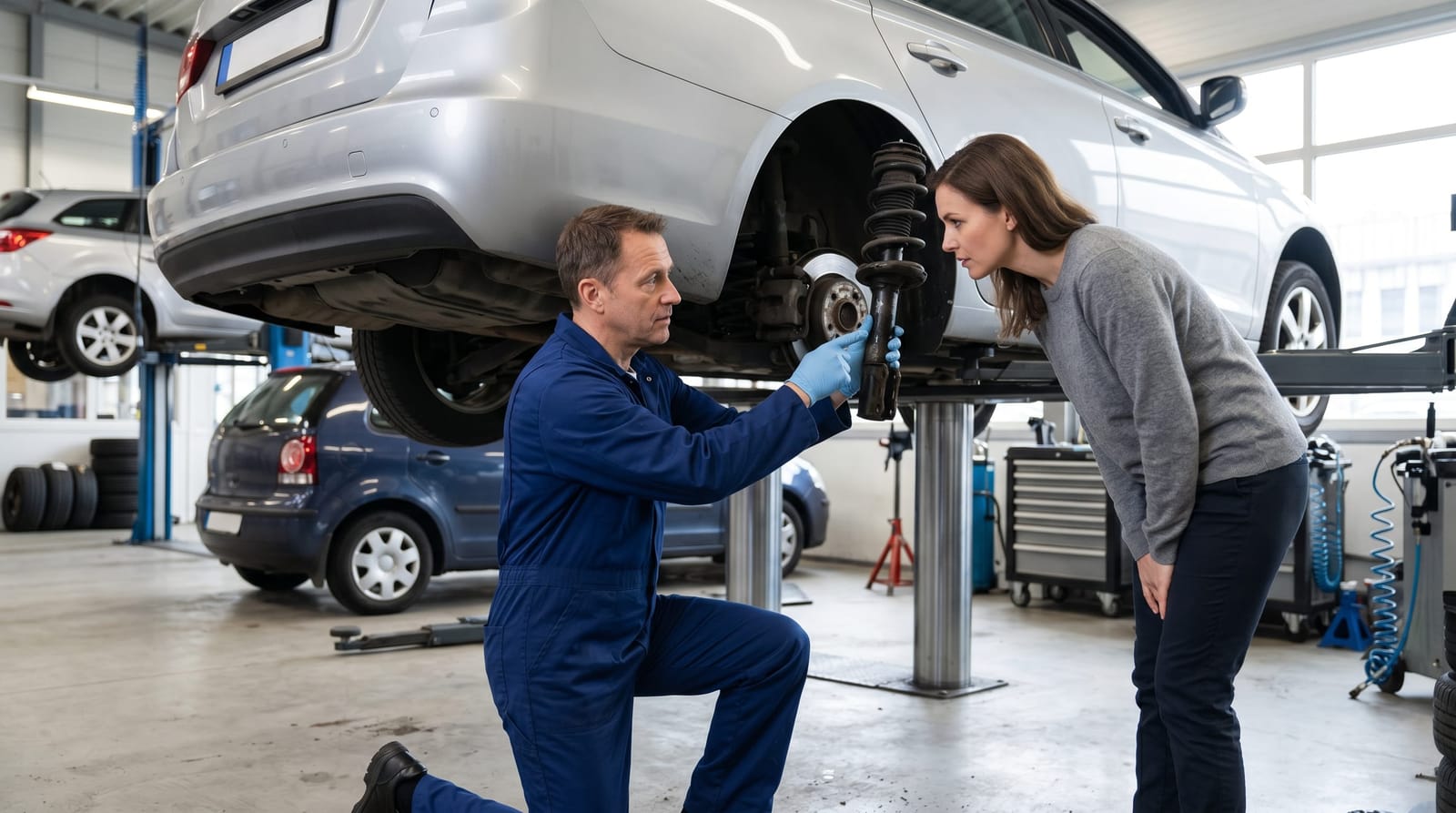
Sway bar links are the short connecting rods (usually 4-8 inches long) that attach the sway bar to each wheel's suspension. They have ball joints or pivot points at each end, and those joints develop wear and play over time, especially with regular use on rough roads.
Sway bar bushings are the rubber or polyurethane cushions that hold the sway bar against the vehicle's frame. These bushings absorb vibration and allow slight movement. Over time, rubber bushings dry out, crack, and deteriorate, often faster in hot Texas climates where temperature swings stress rubber components more quickly.
Both parts are relatively inexpensive on their own, but when they wear out, the symptoms are hard to ignore. Sway bar links typically have a shorter service life and are the most commonly replaced part of this system. According to industry estimates, sway bar links generally last between 50,000 and 100,000 miles, though driving conditions play a significant role in how quickly they wear.
Common Sway Bar Replacement Symptoms to Watch For
Recognizing sway bar replacement symptoms early can save you from bigger handling problems down the road. Here's what worn sway bar components typically feel like:
- Clunking or rattling noises: This is the most common sign. You'll usually hear it when going over speed bumps, pulling out of a driveway, or cornering. The noise comes from the worn ball joints in the links knocking around with extra play.
- Increased body roll in turns: If your vehicle leans noticeably more than it used to when taking corners, the sway bar system may not be doing its job effectively.
- Loose or wandering steering feel: A compromised sway bar can contribute to a vague, disconnected feeling at the steering wheel, especially on winding roads.
- Uneven tire wear: When your suspension isn't balanced properly, tires can wear unevenly on the edges. Sway bar issues are one potential contributor to this pattern.
- Vehicle feels unstable at highway speeds: If lane changes feel more dramatic or nervous than they used to, worn sway bar links may be reducing your vehicle's overall stability.
It's worth noting that these symptoms can overlap with other suspension issues, which is why a hands-on inspection from a qualified technician is the best way to confirm the exact cause. If you're experiencing pulling while driving as well, that could point to a separate alignment issue: something covered in detail in this post on wheel alignment fix pulling to one side.
How Much Does Sway Bar Replacement Cost?
Sway bar link and bushing replacement is generally one of the more affordable suspension repairs. Here's a general breakdown to help set your expectations:
- Sway bar links: Parts typically range from $20-$80 per link depending on your vehicle make and model. Labor adds to that cost, and since most vehicles have two links (one per side), both are often replaced at the same time to maintain balance.
- Sway bar bushings: Bushing kits are usually $10-$40 for parts, but labor time can vary since access to the mounting points differs by vehicle.
- Total repair estimate: Many sway bar link replacements fall in the range of $100-$300 for both sides, parts and labor combined, though your specific vehicle and local shop rates will determine the actual price.
Given how affordable this repair typically is relative to the handling improvement it provides, it's generally worth addressing as soon as symptoms appear rather than waiting. Driving on severely worn sway bar links isn't recommended, as reduced stability and control can become a real safety concern over time.
Can You Keep Driving with a Bad Sway Bar?
This is a question we hear often, and the honest answer is: it depends on how worn the component is, but it's not a repair to put off indefinitely. In early stages, a worn sway bar link might just cause an annoying clunk. As the wear progresses, your vehicle's handling becomes less predictable: particularly during emergency maneuvers or in wet driving conditions.
Texas weather can be unpredictable, and Kaufman County roads aren't always perfectly smooth. Reduced handling capability in those conditions adds risk that's simply not worth taking when the repair is straightforward and relatively affordable.
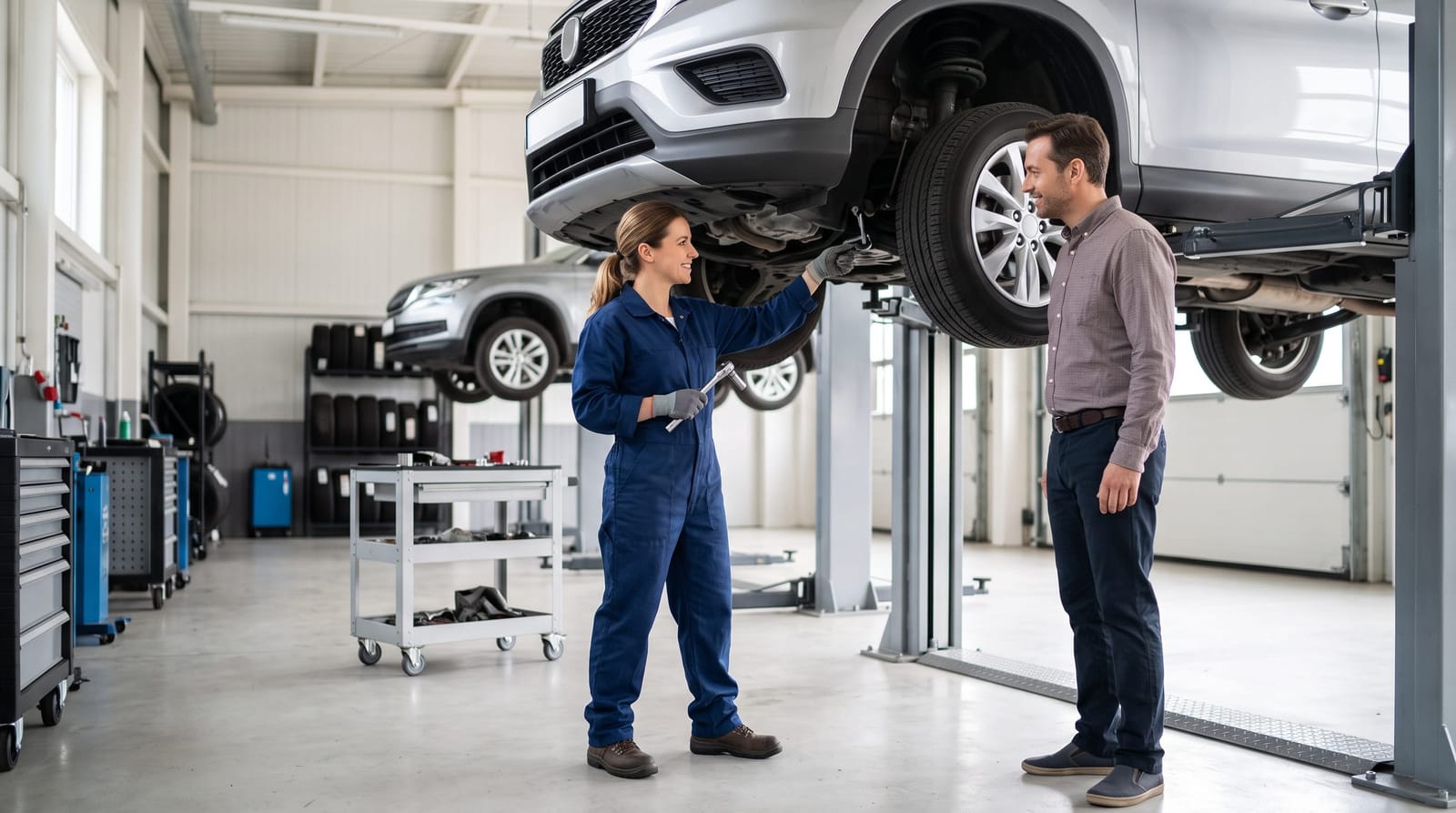
If you're hearing clunking noises or noticing changes in how your vehicle corners, the right move is to have a technician inspect the sway bar system during your next visit, or sooner if the symptoms are significant.
Frequently Asked Questions
How do I know if it's my sway bar links or something else making that clunking noise?
Clunking sounds can come from several suspension components, including ball joints, tie rod ends, and struts. A technician will typically perform a physical inspection, checking for play in the sway bar links by moving them by hand with the vehicle safely lifted. If there's visible looseness or the link moves more than it should, that's a strong indicator the link needs replacement. The location and timing of the sound (such as only when turning versus over bumps) also helps narrow down the source.
Do both sway bar links need to be replaced at the same time?
It's generally recommended to replace both links at the same time, even if only one shows obvious wear. Since both links experience similar driving conditions and mileage, they tend to wear at similar rates. Replacing just one can result in uneven handling feel, and you'll likely be back for the second one within a short time anyway.
How long does a sway bar link replacement take?
For most vehicles, replacing both sway bar links is a relatively quick job: typically 30 minutes to an hour of labor. Older vehicles or those with rust and corrosion can take longer if fasteners are difficult to remove, which is more common on vehicles that haven't had undercarriage maintenance in some time.
Are sway bar problems covered under a standard vehicle inspection?
Texas state vehicle inspections check certain safety-related components, but inspection requirements and what's specifically evaluated can vary. If you're concerned about your sway bar system, asking your shop to include a suspension check alongside your regular inspection or oil service is a good proactive step: they can flag any worn components before they become a bigger issue.
The Bottom Line
The sway bar is a straightforward but important part of your suspension system. It keeps your vehicle stable through turns and helps you maintain control in everyday driving situations. When sway bar links or bushings wear out, which they do over time, typically somewhere between 50,000 and 100,000 miles, the signs usually show up as clunking noises, increased body lean, or a looser steering feel. Catching sway bar replacement symptoms early makes the repair simple and affordable. If you're experiencing any of these symptoms around Forney or anywhere in Kaufman County, a suspension inspection is a great first step toward getting your vehicle feeling solid and confident again.