Can Bad Shocks Cause Uneven Tire Wear?
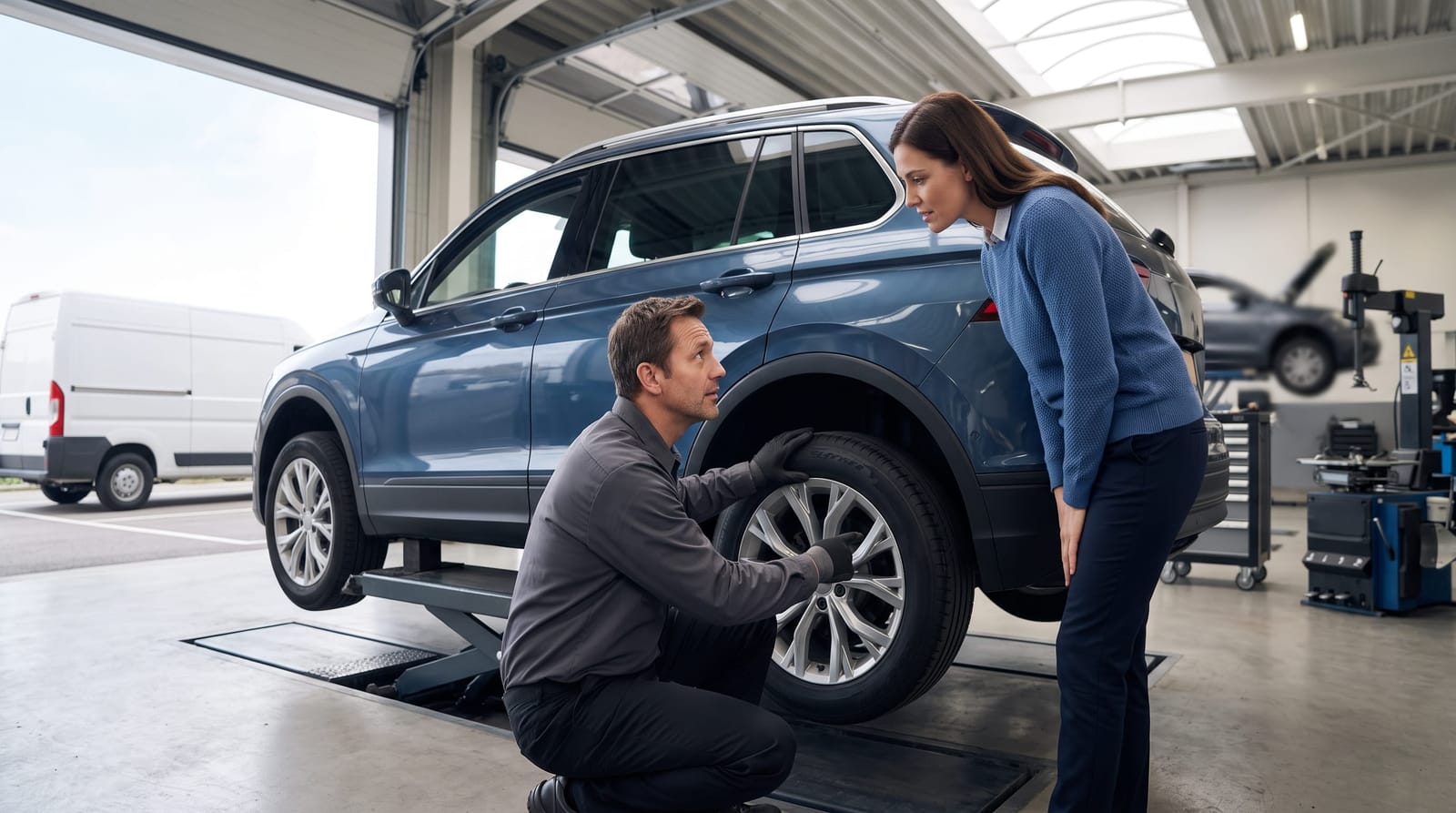
If you've noticed your tires wearing down unevenly, or you're replacing tires more often than you feel like you should, your shocks might be part of the reason why. It's a question worth taking seriously: can bad shocks cause uneven tire wear? The short answer is yes, and understanding how this connection works can help you catch the problem earlier, protect your tires, and avoid spending money replacing components before their time. This post breaks it all down in plain terms.
How Shocks Affect the Way Your Tires Contact the Road
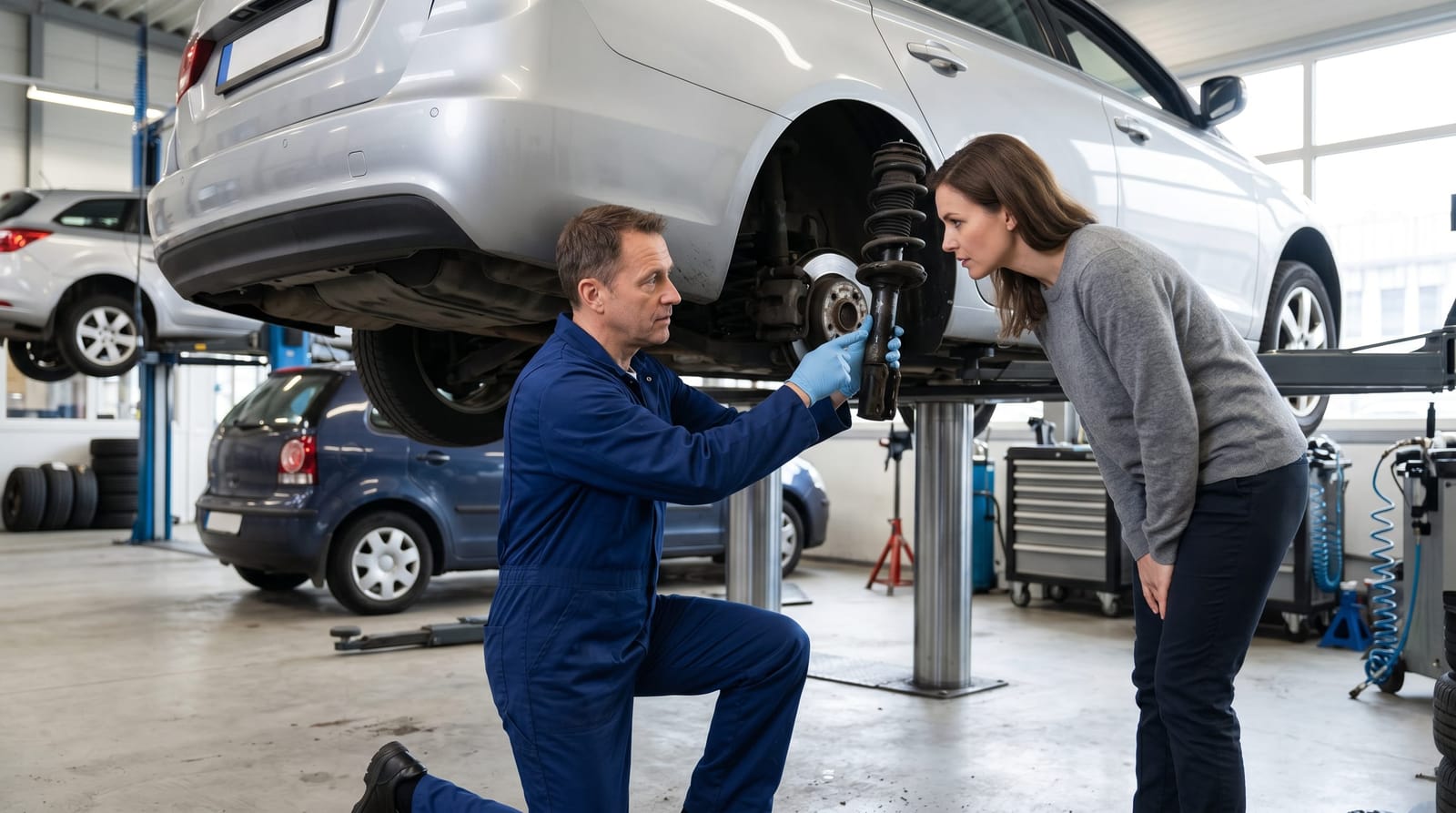
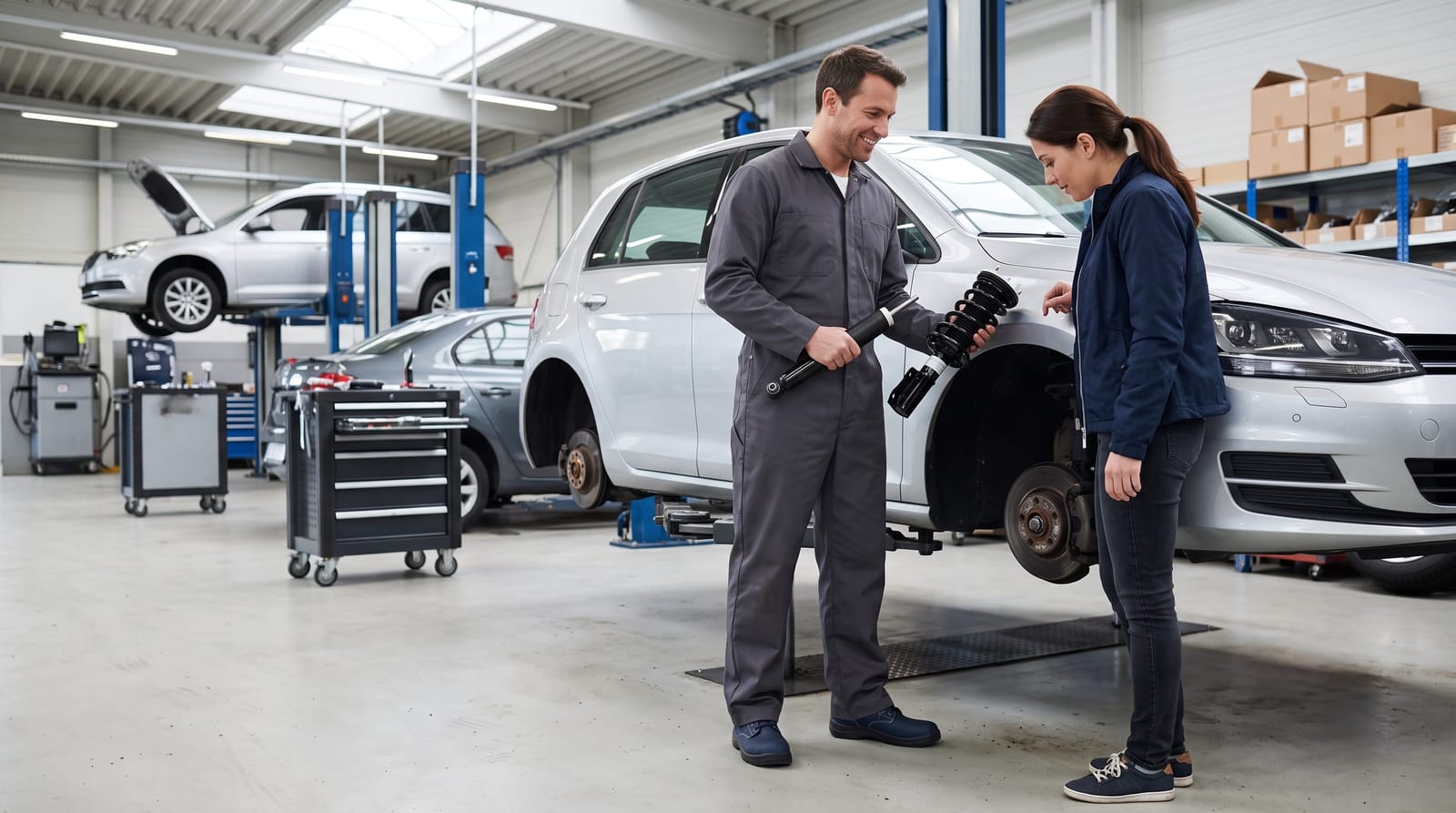
Shock absorbers (often called shocks or struts depending on your vehicle's design) do more than just smooth out bumpy roads. Their primary job is to keep your tires in firm, consistent contact with the road surface at all times. When shocks are working correctly, your tire tread presses evenly against the pavement with every rotation.
When shocks wear out, they lose their ability to control how your wheel bounces and rebounds. Instead of staying planted, the tire starts to bounce slightly with each rotation, especially at highway speeds or over rough pavement. That repetitive bouncing creates uneven pressure across the tread, and over time, this leads to a wear pattern called cupping or scalloping. You'll see it as a series of dips or high and low spots worn into the tread at regular intervals around the tire: almost like someone scooped out sections of rubber in a pattern.
This type of wear is a fairly reliable indicator that something in your suspension system isn't keeping your tire stable. Cupped or scalloped tires don't just wear out faster: they can also cause a noticeable vibration or rumbling noise while driving, which is often the first thing drivers notice before they think to check the tires themselves.
What Uneven Tire Wear from Bad Shocks Actually Looks Like
Not all uneven tire wear comes from the same cause, so it helps to know what shock-related wear looks like compared to other issues. Here's a quick breakdown:
- Cupping or scalloping: Wavy, uneven dips around the circumference of the tire: the most common sign of worn shocks or struts causing bounce-related wear.
- Center wear: Tread wearing down faster in the middle than the edges, usually a tire inflation issue, not shocks.
- Edge wear on both sides: Tread wearing on the outer edges: typically an underinflation or alignment issue.
- One-sided wear: Tread worn heavily on one edge, usually a wheel alignment or suspension geometry issue, sometimes related to worn bushings or ball joints.
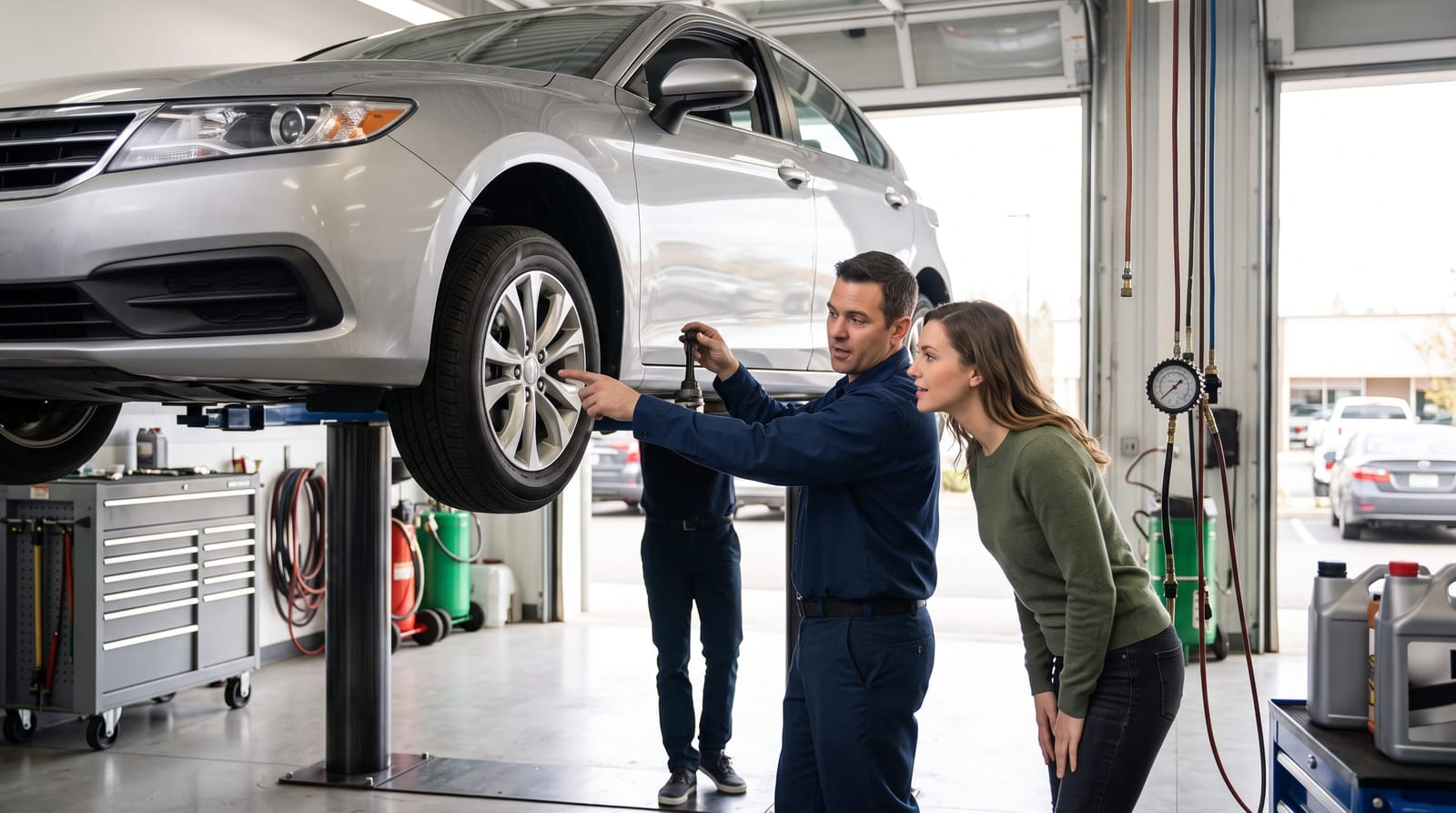
If you see cupping or scalloping, especially on the rear tires of a rear-wheel drive vehicle or on any tire that doesn't get rotated regularly, worn shocks are a very likely contributor. According to Monroe Shocks & Struts, visually inspecting your tires on a regular basis is one of the most effective ways to catch these patterns early, before the tire is too far gone to save.
The Real Cost of Ignoring the Connection
Here's why this matters beyond just the appearance of the tire: replacing tires without fixing the root cause means you'll be replacing them again sooner than expected. The average set of tires should last between 25,000 and 50,000 miles depending on the tire type, driving conditions, and how well they're maintained. Worn shocks can cut that lifespan significantly: some estimates suggest bad shocks can reduce tire life by as much as 15 to 25 percent.
That adds up quickly. If a set of tires costs $400 to $700 installed, losing even 10,000 miles of useful life because of worn shocks means you're paying for tires more often than you need to. Addressing the bad shocks uneven tire wear connection early, by fixing the shocks and then replacing or rotating the tires, is almost always the more cost-effective path.
There's also the safety side. Tires with cupped wear don't grip the road as efficiently as properly worn tires. In rain or emergency braking situations, that reduced contact can affect how confidently your vehicle stops and steers.
How to Inspect for This Problem at Home
You don't have to be a mechanic to do a basic check. Here's what to look for:
- Run your hand around the tread. Feel for high and low spots around the circumference of the tire. Cupping feels like bumps or waves in the rubber, not a smooth surface.
- Check tire pressure monthly. Under- or over-inflation can cause its own wear patterns and can make shock-related wear worse. Most passenger vehicles call for 32 to 35 PSI: check your driver's door sticker for your specific vehicle's recommendation.
- Listen while you drive. A low rumbling or humming that changes with speed, especially over 45 mph, can indicate cupped tires caused by worn shocks.
- Do the bounce test. Push down firmly on the corner of your vehicle over a tire and release. If it bounces more than once or twice before settling, that shock absorber may need attention.
If you find cupping or notice that bounce test failing, it's a good time to have both your shocks and tire condition evaluated together. Fixing one without looking at the other often means the problem comes back.
What a Shop Will Check During a Suspension Inspection
When you bring your vehicle in for a suspension inspection related to tire wear, a technician should look at more than just the shocks themselves. Worn bushings, ball joints, and tie rod ends can all contribute to irregular tire wear patterns, and many of these components wear out gradually over time, especially on vehicles with more than 60,000 to 80,000 miles.
A thorough inspection typically includes checking the shocks and struts for leaking fluid or loss of damping ability, inspecting the tire wear patterns to confirm the likely cause, evaluating wheel alignment, and checking suspension bushings and joints for play or wear. This kind of whole-picture approach matters because alignment issues and worn shocks can happen at the same time, and if only one is addressed, the tire wear may continue.
Frequently Asked Questions
How do I know if my tire wear is from bad shocks or something else?
The most distinctive sign of shock-related wear is cupping or scalloping: a wavy, uneven pattern around the circumference of the tire. Wear caused by alignment issues tends to show up as heavy wear on one edge of the tire. Inflation-related wear appears in the center or on both outer edges. If you're unsure, a shop can identify the likely cause during a visual inspection of the tire tread pattern.
Can I just replace the tires without fixing the shocks?
You can, but new tires will begin developing the same uneven wear pattern if the underlying shock problem isn't fixed. You'll end up replacing those tires sooner than expected. It's generally more cost-effective to address both the shocks and the tires at the same time, or at least have the shocks inspected before investing in a new set of tires.
How often should shocks be inspected?
Most manufacturers recommend having shocks and struts inspected every 50,000 miles, though driving conditions matter. Vehicles that regularly travel on rough roads, gravel, or uneven pavement may see wear sooner. If you're noticing symptoms like a bouncy ride, nose-diving during braking, or cupped tire wear, it's worth having them checked regardless of mileage.
Does bad shock wear affect all four tires or just certain ones?
It depends on which shocks are worn. A single failing shock will typically cause cupping on the tire at that corner of the vehicle. If all four shocks are worn, which is common on higher-mileage vehicles since they tend to wear at a similar rate, you may see similar patterns on multiple tires. Rear shock wear often shows up on rear tires first, which is one reason tire rotation matters for catching these patterns early.
The Bottom Line
Yes, bad shocks can absolutely cause uneven tire wear: specifically the cupped or scalloped pattern that results from a tire bouncing against the road instead of rolling smoothly. Understanding the bad shocks uneven tire wear connection helps you make smarter decisions about when to replace tires and when to look deeper at your suspension system first. Taking care of the root cause protects your investment in new tires and keeps your vehicle handling safely. If you're seeing unusual wear patterns, it's worth having both your tires and your suspension evaluated together rather than treating them as separate problems.