Diesel Truck Fuel Filter Replacement: Signs and Service Intervals for Terrell TX Drivers
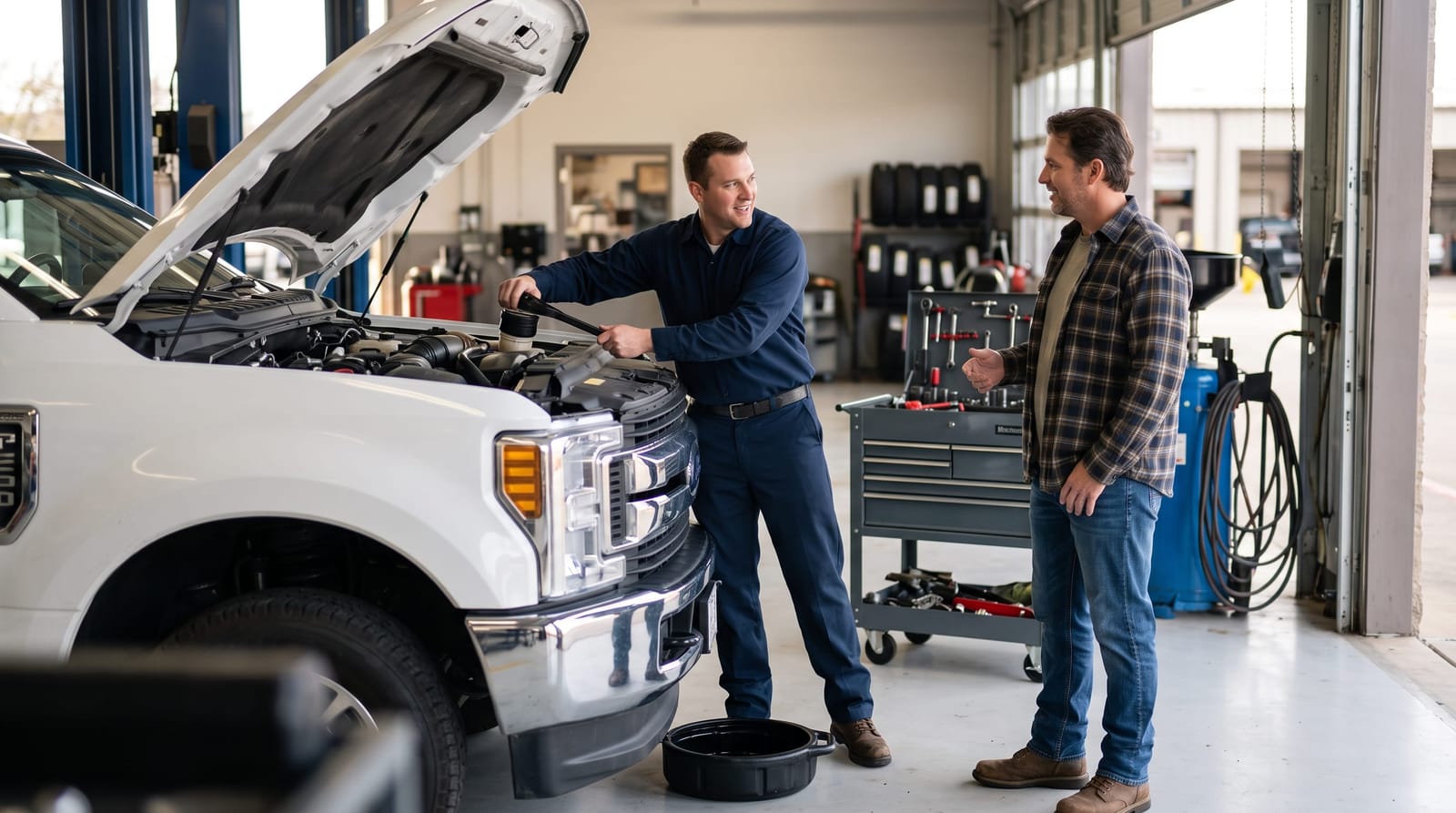
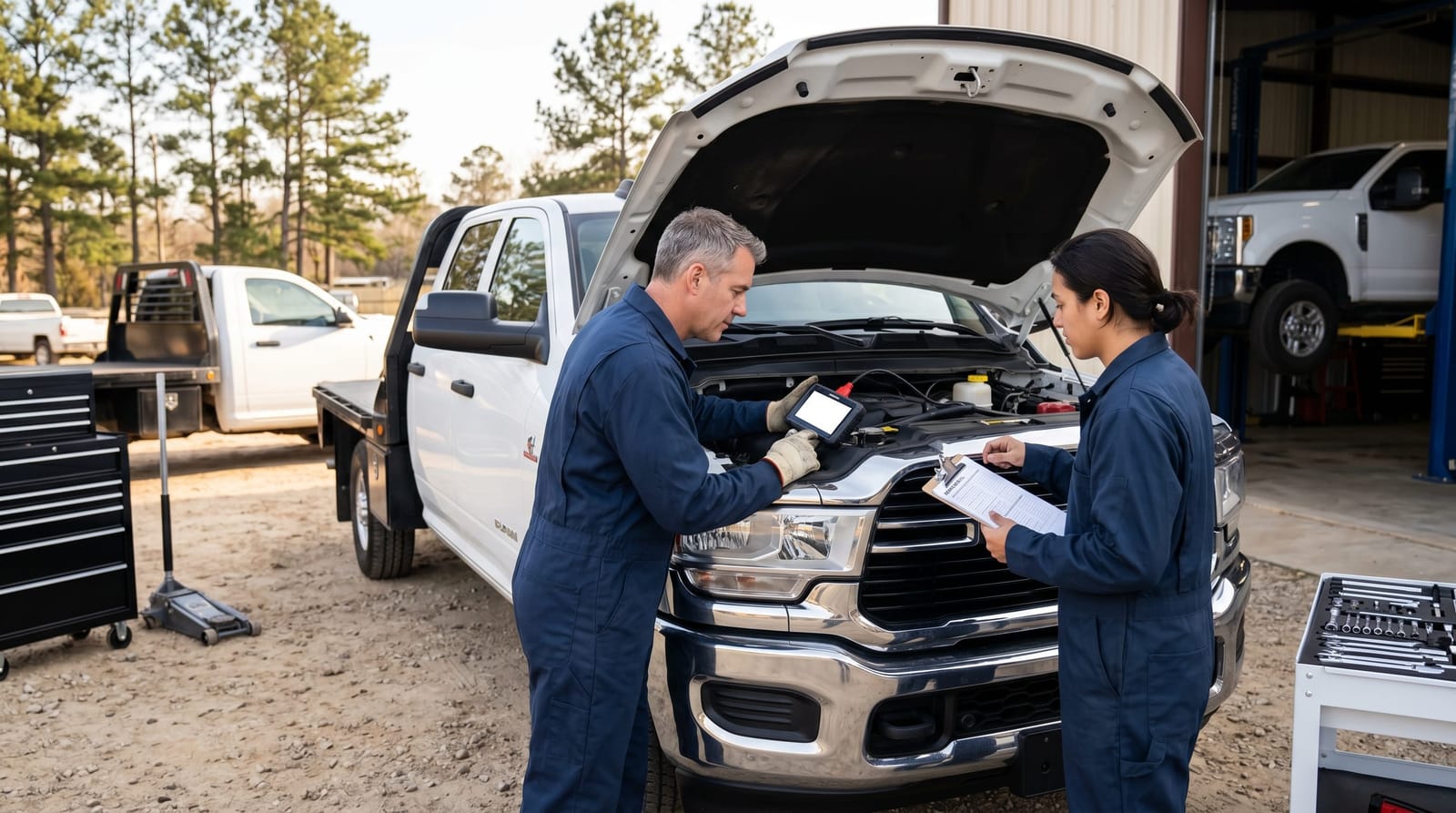
If you own a diesel truck in the Terrell area, you already know how hard these vehicles work. Whether you're hauling equipment across Kaufman County, pulling trailers through Canton, or running long stretches of highway for work, your diesel engine depends on clean fuel to perform reliably. One of the most overlooked parts of diesel truck maintenance is the fuel filter: a small component that does a big job. This guide covers everything you need to know about diesel fuel filter replacement in Terrell TX, including how often to replace it, what happens when it's neglected, and what service typically costs.
What a Diesel Fuel Filter Actually Does
Diesel fuel isn't perfectly clean when it enters your tank. Even from reputable fuel stations, diesel can carry microscopic contaminants like dirt, rust particles, water, and sediment. Your fuel filter sits between the fuel tank and the engine's fuel injectors, and its job is to catch those contaminants before they cause damage to precision engine components.
Diesel engines are more sensitive to fuel quality than gasoline engines because their injectors operate under extremely high pressure and have very tight tolerances. Even small amounts of debris or water in the fuel can affect how the injectors perform. A clean fuel filter keeps that fuel pathway clear, allowing your engine to run the way it's supposed to: efficiently, smoothly, and without strain.
Many diesel trucks also have two fuel filters: a primary filter (sometimes called a water separator) and a secondary filter closer to the engine. Both need attention during routine maintenance, and skipping one while servicing the other leaves the job half done.
How Often Should You Replace Your Diesel Fuel Filter?
Replacement intervals for diesel fuel filters vary depending on the make and model of your truck, how it's used, and the quality of fuel in your area. A general guideline is every 200 to 500 operating hours, or roughly once a year for drivers who put on average mileage. However, working trucks that log heavy miles or frequently fuel up at lower-quality stations may need more frequent changes.
Here's a practical breakdown by usage type:
- Light to moderate use (daily commuting, occasional hauling): Every 15,000 to 20,000 miles or annually
- Heavy-duty use (frequent towing, commercial work, high mileage): Every 10,000 to 15,000 miles or more frequently based on engine feedback
- Trucks with high idle time (farm equipment, construction sites): Monitor by operating hours rather than mileage alone
Your owner's manual will have the manufacturer's recommended interval for your specific truck. When in doubt, a local diesel shop can pull your vehicle's history and recommend the right schedule based on how you actually use your truck.
Warning Signs Your Diesel Fuel Filter Needs Replacement
Your truck will usually give you some indication that the fuel filter is getting clogged before it becomes a serious problem. Learning to recognize these early signs can save you from unexpected breakdowns and more costly repairs down the road.
Common symptoms of a clogged diesel fuel filter:
- Hard starting or slow cranking: If your diesel is taking longer to start than usual, especially in cold mornings, a restricted fuel filter may be limiting the fuel supply needed to fire the engine.
- Loss of power under load: Notice your truck struggling when you're towing or climbing hills? A clogged filter can reduce the fuel flow your engine needs when it's working hardest.
- Rough idle or engine hesitation: A partially blocked filter can cause uneven fuel delivery, leading to a rough, unsteady idle or hesitation when you accelerate.
- Increased fuel consumption: When your engine isn't getting clean, consistent fuel, it can run less efficiently: sometimes showing up as a noticeable drop in fuel economy.
- Warning lights on the dash: Some diesel trucks have a fuel filter restriction indicator or water-in-fuel warning light that alerts you when the filter needs attention.
- Black smoke from the exhaust: Incomplete combustion caused by fuel delivery issues can produce more exhaust smoke than usual.
Any combination of these symptoms is worth having checked by a shop familiar with diesel engines. While these signs don't always point exclusively to the fuel filter, it's one of the first and most affordable things to rule out.
What Diesel Fuel Filter Replacement Costs in the Terrell TX Area
The cost of diesel fuel filter replacement in Terrell TX can vary quite a bit depending on your truck's make, model, and how many filters your engine uses. Parts alone can range from around $20 on the low end to $150 or more for OEM-quality filters on heavy-duty trucks. When you factor in labor and a dual-filter service (primary and secondary), total service costs can range from roughly $75 to $200 or more at a full-service shop.
That said, some specialty diesel repairs or filter systems on larger commercial trucks can push costs higher. The best approach is to get a straightforward estimate from a shop that works regularly with diesel trucks and will explain what parts are being used and why.
One thing worth knowing: skipping this service to save money usually costs more in the long run. Clogged filters that are left too long can put strain on your fuel pump, which is a significantly more expensive component to replace. A $100 fuel filter service is much easier on your budget than a fuel pump replacement.
Maintaining your diesel's fuel system is closely related to keeping other systems healthy as well. If you want a broader look at diesel engine care in Kaufman County, coolant system maintenance for diesel trucks in Mesquite and Kaufman County TX is another important area to stay on top of alongside your fuel filter intervals.
Frequently Asked Questions
Can I drive my diesel truck with a clogged fuel filter?
You can drive short distances with a partially clogged filter, but it's not a good idea to ignore the problem for long. A severely restricted filter can stall your engine, reduce power significantly, and over time put extra strain on the fuel pump. If you're noticing symptoms, it's best to schedule service soon rather than waiting.
How do I know if my diesel has one fuel filter or two?
Many modern diesel trucks, particularly Ford Power Stroke, Duramax, and Cummins engines, have a primary and secondary fuel filter. Your owner's manual will show the filter locations, and a qualified diesel technician can identify what your specific truck has when you bring it in for service.
Does diesel fuel quality affect how often I need to change the filter?
Yes, it can. Diesel fuel that contains more water, sediment, or microbial contamination will clog filters more quickly. Trucks that frequently refuel at certain farm or commercial fuel stations may also see more variability in fuel quality. If you notice your filters consistently getting dirty faster than expected, that's worth mentioning to your mechanic.
Is diesel fuel filter replacement something I can do myself?
On some trucks it's a relatively straightforward job, but diesel fuel systems operate under high pressure and require careful handling of fuel components. Improper installation can lead to air in the fuel lines, which requires bleeding the system: a process that's easy to get wrong. For most truck owners, having a shop handle it ensures it's done correctly and that both filters are serviced if applicable.
Keep Your Diesel Running Right in Terrell TX
Diesel fuel filter replacement in Terrell TX is one of the simplest, most cost-effective ways to keep your truck performing reliably. For working truck owners in Terrell, Kaufman, Crandall, and across Kaufman County, staying on top of this service means fewer breakdowns, better fuel efficiency, and a longer lifespan for your engine. If you're not sure when your filter was last replaced, or if your truck has been showing any of the symptoms mentioned here, bringing it in for an inspection is a practical first step. A little routine maintenance goes a long way when your truck is part of how you get work done.