What Does Oil Change Include? What a Good Shop Should Always Check
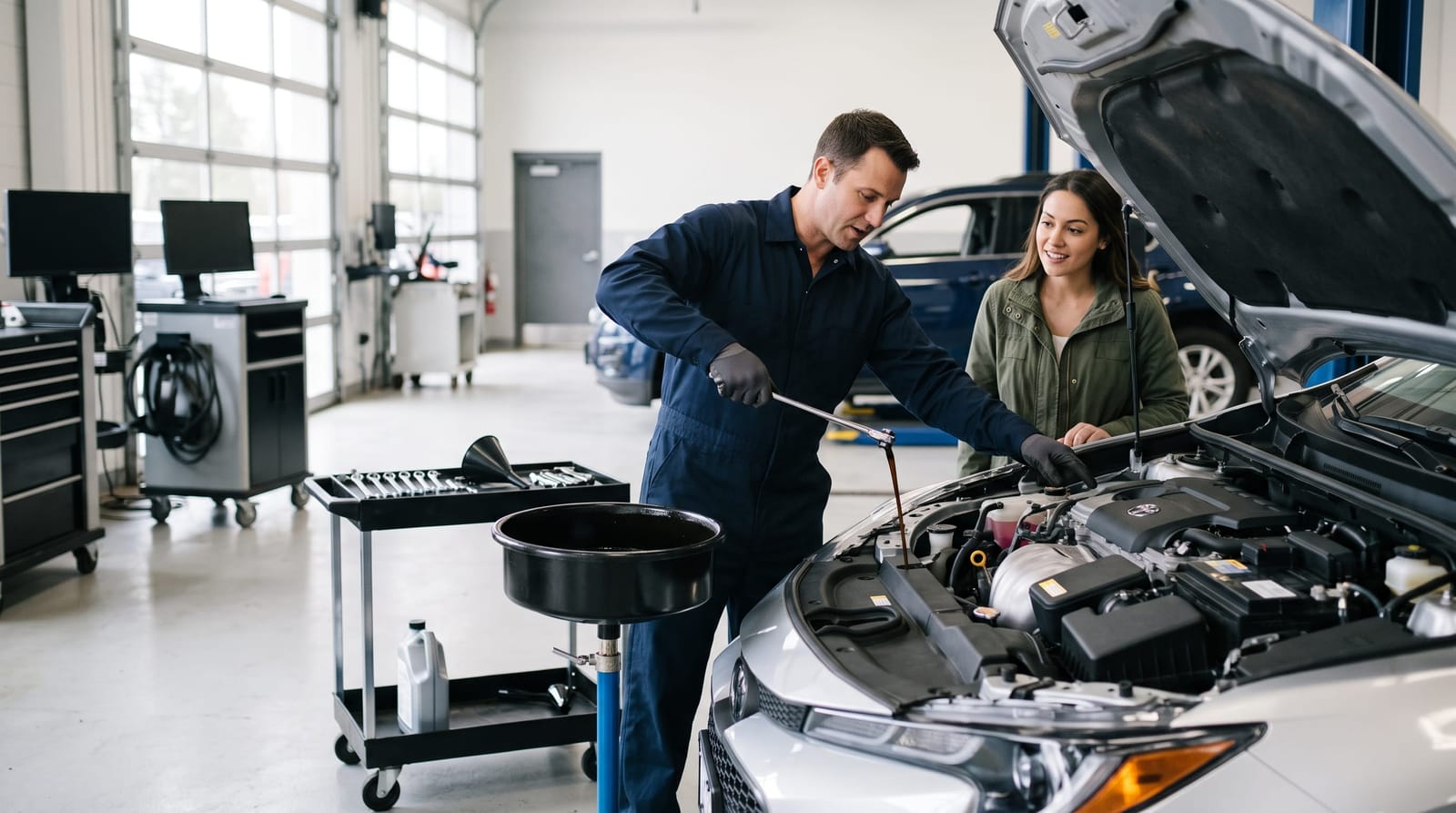
If you've ever wondered exactly what happens during an oil change, beyond someone draining the old oil and pouring in new stuff, you're not alone. Most drivers know they need regular oil changes, but few know what a thorough service actually covers. A proper oil change includes more than just swapping out fluids. This post breaks down what a quality oil change service should include, what separates a careful local shop from a rushed quick-lube stop, and why those extra steps genuinely matter for your vehicle's long-term health.
The Core of Every Oil Change: Oil and Filter Replacement
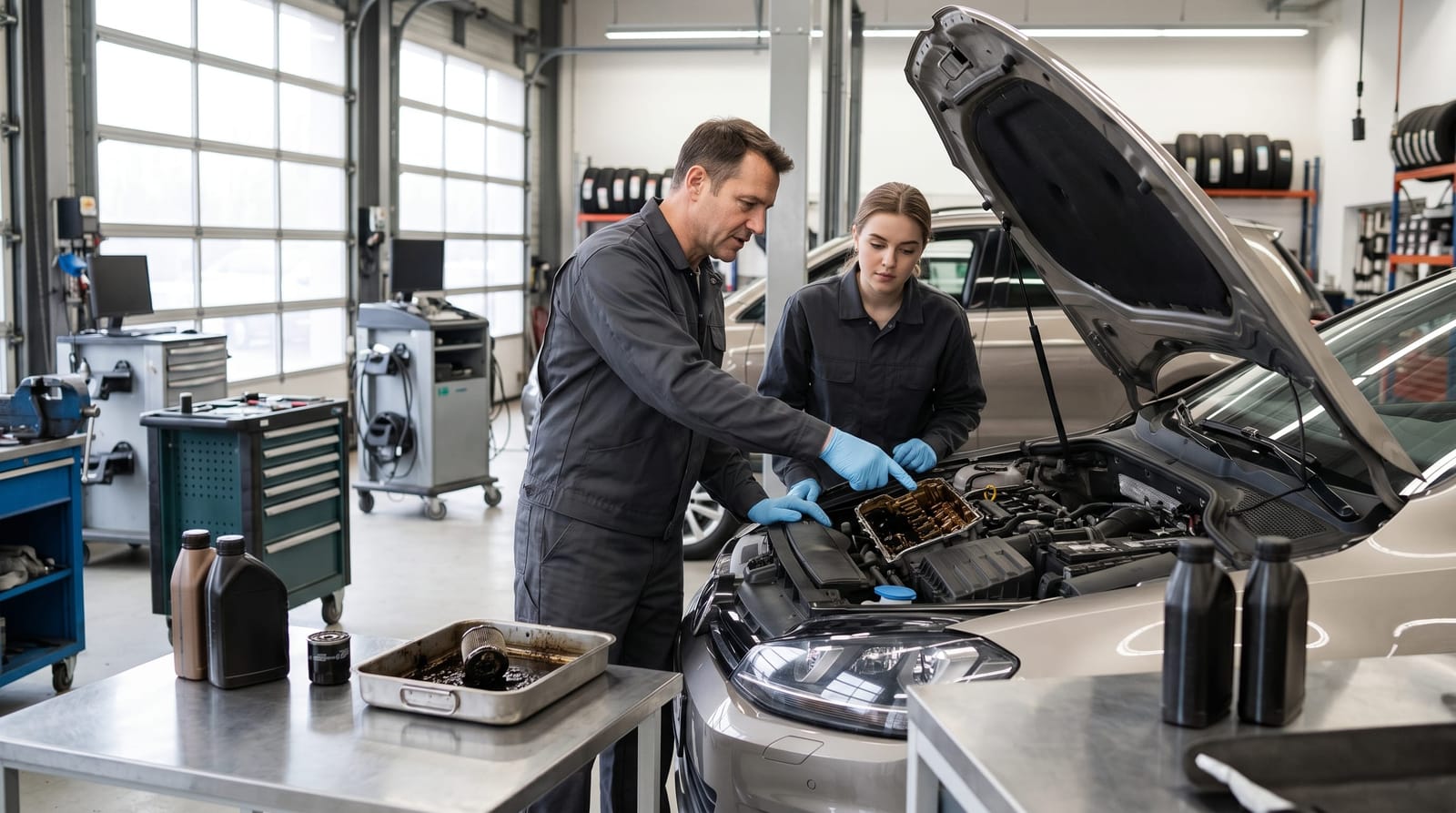
Every oil change starts with two fundamentals: draining the old engine oil and replacing the oil filter. These two steps are non-negotiable, and any shop skipping either one isn't performing a real oil change.
Engine oil breaks down over time. Heat, friction, and combustion byproducts degrade the oil's ability to lubricate moving engine parts. Most manufacturers recommend an oil change every 3,000 to 7,500 miles for conventional oil, and every 7,500 to 10,000 miles for full synthetic, though your owner's manual is always the best guide for your specific vehicle.
The oil filter does the job of catching debris, metal particles, and contaminants before they circulate through your engine. A clogged or worn-out filter can actually restrict oil flow, which is the opposite of what you want. Replacing the filter every time you change the oil, not just "when it looks dirty", is a basic standard that every reputable shop should follow without exception.
When a technician drains your oil, they're also looking at what comes out. Unusually dark, gritty, or milky-looking oil can signal bigger issues worth discussing. A good shop communicates what they observe, without pressure or alarm, so you can make informed decisions.
What a Thorough Oil Change Service Also Includes
Here's where a quality oil change service separates itself from a basic in-and-out transaction. When done right, what does oil change include goes well beyond oil and a new filter. A thorough service typically covers several additional checkpoints that help catch small problems before they become larger ones.
Fluid Level Checks and Top-Offs
A complete oil change service should include inspecting and topping off essential fluids. These typically include:
- Coolant (antifreeze): keeps your engine from overheating
- Brake fluid: critical for safe stopping
- Power steering fluid: keeps steering responsive and smooth
- Windshield washer fluid: a small detail, but easy to top off while you're there
- Transmission fluid, at minimum, a visual check for level and condition
Not every shop includes free top-offs on all fluids, but they should at minimum check levels and let you know where things stand. According to the Car Care Council, nearly 75% of vehicles on the road are in need of some type of fluid service or replacement, which means a quick visual check during an oil change catches real issues, not imaginary ones.
Tire Pressure Check
Properly inflated tires affect fuel efficiency, handling, and tire lifespan. The U.S. Department of Energy estimates that properly inflated tires can improve gas mileage by up to 3%: a small but real number that adds up over thousands of miles. A good shop checks all four tires (and the spare when accessible) and adjusts pressure to the manufacturer's recommended PSI. This takes less than two minutes and is a straightforward way a technician shows they're paying attention to your whole vehicle, not just the task in front of them.
Visual Inspection Under the Hood and Underneath the Vehicle
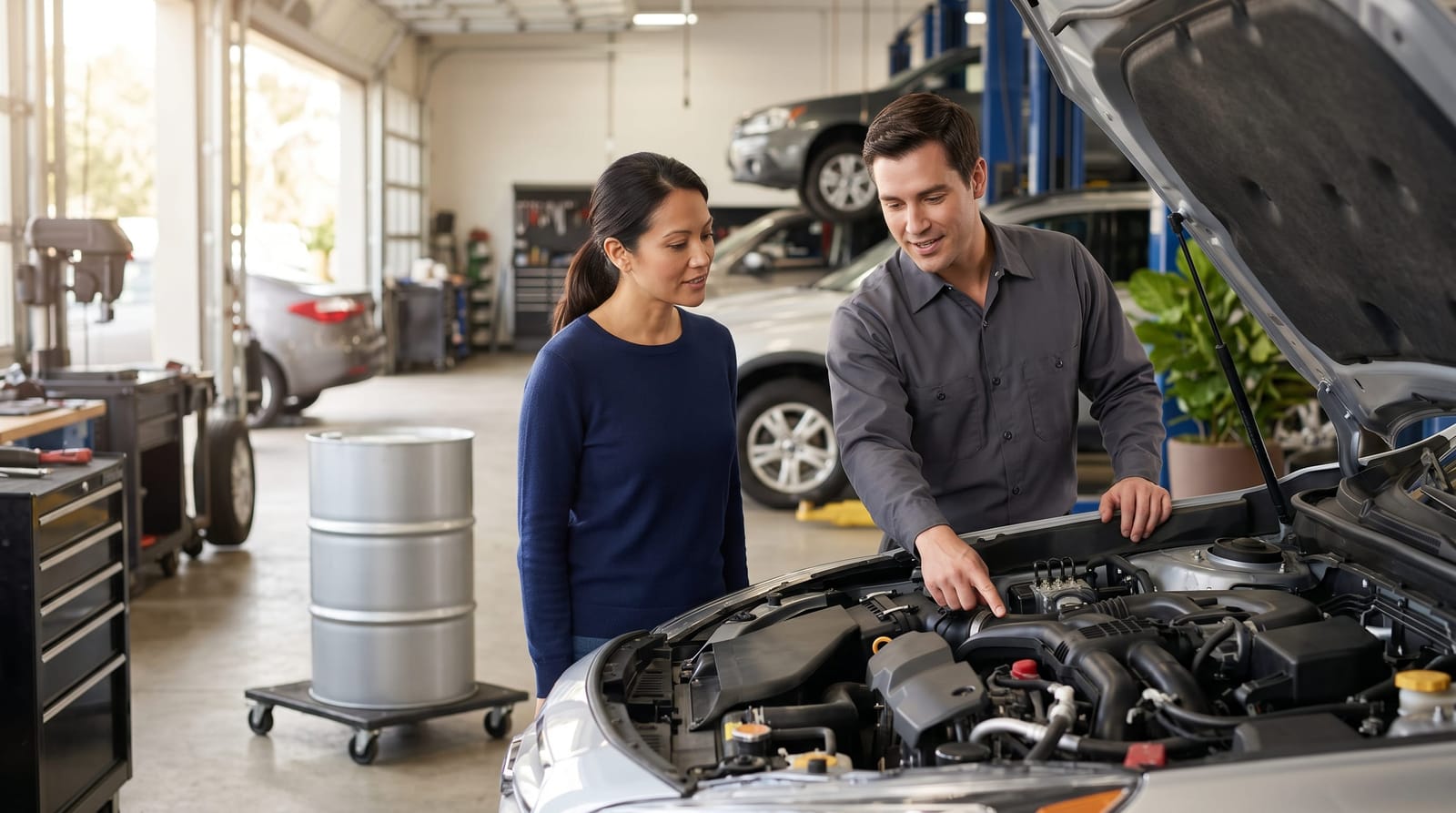
When your vehicle is on a lift or a technician has the hood open, it's the right moment to take a quick look around. A visual inspection during an oil change typically includes:
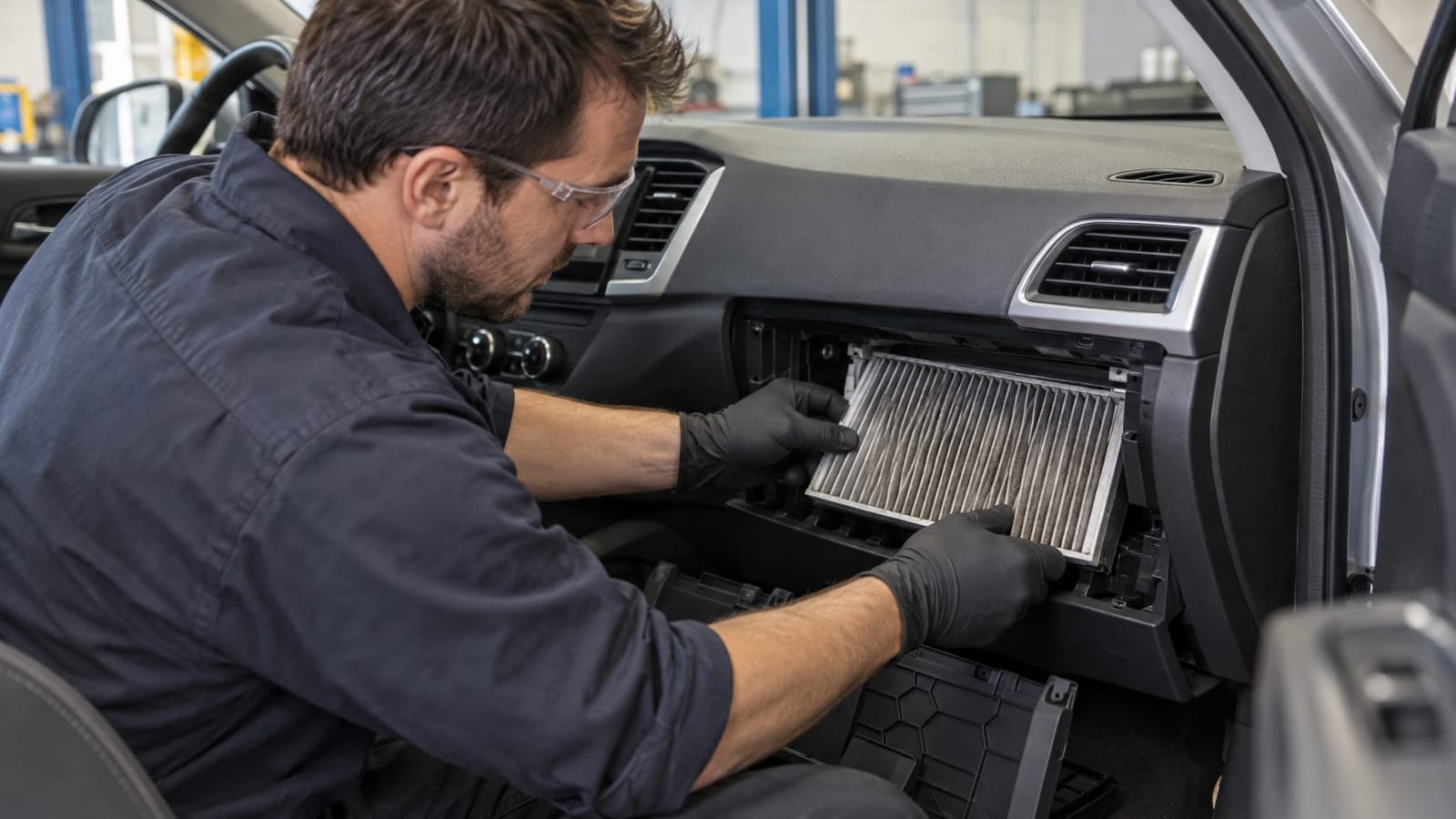
- Checking the air filter for excessive buildup or damage
- Looking at belts and hoses for visible cracking or wear
- Inspecting the battery terminals for corrosion
- Checking for obvious fluid leaks underneath the vehicle
- A quick look at wiper blades
None of this requires tearing the vehicle apart. It's a trained eye taking a few minutes to notice what's already visible. According to AAA, vehicle breakdowns that leave drivers stranded most commonly involve battery failure, tire issues, and fluid-related problems, all things a visual check during an oil change can help flag early.
What Separates a Local Shop from a Quick-Lube Experience
Speed has its place. But when the entire focus is on moving vehicles through a bay in 10 minutes, some things naturally get skipped or rushed. Quick-lube chains operate on volume, which means technicians are often working under significant time pressure. That doesn't mean they do bad work, but the incentive structure isn't always aligned with thoroughness.
A neighborhood shop like Gregg Automotive operates differently. When a technician here performs an oil change, they're working on a vehicle they may see again in six months, often owned by someone they've met. That relationship creates accountability that a drive-through oil stop simply doesn't. You're not a ticket number; you're a customer whose car deserves honest attention.
Local shops also tend to have more experienced technicians who understand that an oil change is an opportunity to build trust. If something minor is spotted during the visual inspection, a belt that's starting to show wear, a battery terminal that needs cleaning, a straightforward local shop mentions it, explains what it means, and lets you decide what to do without pressure.
Understanding how often to change your oil based on your driving habits is a great complement to knowing what the service itself should cover, because the right interval and the right service together are what actually protect your engine.
Choosing the Right Oil Type Is Part of the Service Too
A good shop doesn't just pick whatever oil is on the shelf. What does oil change include when it's done well? It includes using the oil type that's right for your specific vehicle, mileage, and driving conditions.
The main options are:
- Conventional oil: suitable for older vehicles or those with lower mileage and straightforward driving conditions
- Synthetic blend: a middle-ground option that offers better protection than conventional at a moderate price
- Full synthetic: offers the best protection, performs well in extreme temperatures, and is required by many newer vehicles
- High-mileage oil: formulated for vehicles with over 75,000 miles; contains additives that help reduce oil consumption and protect older seals
Your owner's manual specifies the oil viscosity (such as 5W-30 or 0W-20) your engine is designed for. A quality shop follows that spec and explains what they're using and why. If you're curious about the difference between conventional and synthetic oil, that's worth reading through before your next service visit.
Frequently Asked Questions
Does a standard oil change include a tire rotation?
Not always. Tire rotation is often offered as an add-on or combined service but isn't typically included in a basic oil change unless the shop specifically bundles it. It's worth asking when you schedule, since rotating tires every 5,000 to 7,500 miles is a recommended interval that often lines up with oil change visits.
Should I expect a multi-point inspection with every oil change?
A reputable shop will perform at minimum a visual inspection during an oil change: checking fluid levels, tire pressure, and looking for obvious signs of wear or leaks. A full multi-point inspection that covers brakes, suspension, and other systems may be offered separately or during longer service appointments.
How long should a thorough oil change take?
A proper oil change with fluid checks, tire pressure adjustment, and a visual inspection typically takes 30 to 45 minutes at a full-service shop. If the goal is rushing through in under 10 minutes, some of those additional checks are likely being skipped.
Is it worth paying more for a full-service oil change vs. a basic one?
In most cases, yes. The additional checks that come with a thorough service, fluids, tire pressure, visual inspection, can catch small issues early. The cost difference is usually modest, and the peace of mind that comes from knowing your vehicle was actually looked at, not just drained and refilled, is worth it for most drivers.
What a Good Oil Change Should Mean for You
Understanding what does oil change include gives you a reasonable benchmark for evaluating any shop you visit. A quality service covers the oil and filter replacement, yes, but it also includes fluid level checks, tire pressure inspection, and a trained eye looking at your vehicle while it's already in the bay. These extra steps don't add significant time or cost, but they reflect the difference between a shop that cares about your car and one that just moves vehicles through.
For Forney and Kaufman County drivers, Gregg Automotive is here to provide that kind of honest, attentive service. And if you want the full picture on keeping your vehicle running well, The Complete Oil Change and Fluid Maintenance Guide for Forney and Kaufman County Drivers covers everything from change intervals to fluid types in one place.